Sealless Pumps for a Safer and Greener World

Choosing among fluid pumps is rarely a simple matter of comparing flow rates and prices. A buyer may need to move clean water, abrasive slurry, viscous oil, chemicals, or air-entrained liquids. Each duty changes the selection. Pressure, temperature, pipe length, solids content, maintenance access, and energy use can quickly reshape the decision.
Dr. Lev Nelik, a recognized pump consultant and author, emphasizes a practical principle: “Pumps do not operate alone; they operate as part of a system.” This view matters for global buyers. A technically impressive pump can still underperform when the piping is poorly sized, the suction line is restricted, or the control method is unsuitable. The pump room tells the story. Noise near the bearings, vibration in the baseplate, and frequent seal replacement are not minor details.
This guide examines ten widely used types of fluid pumps, including centrifugal, positive displacement, diaphragm, gear, screw, piston, and submersible designs. It connects each type with real purchasing questions: What liquid will it handle? How stable is the required flow? Can local technicians service it? Are spare parts available across borders? Some recommendations remain conditional. No single pump fits every plant, and catalog data may not reflect difficult field conditions. Buyers should verify performance curves, materials, certifications, and lifecycle costs with qualified suppliers before committing. A lower purchase price can become expensive when downtime begins. That uncomfortable possibility deserves attention.
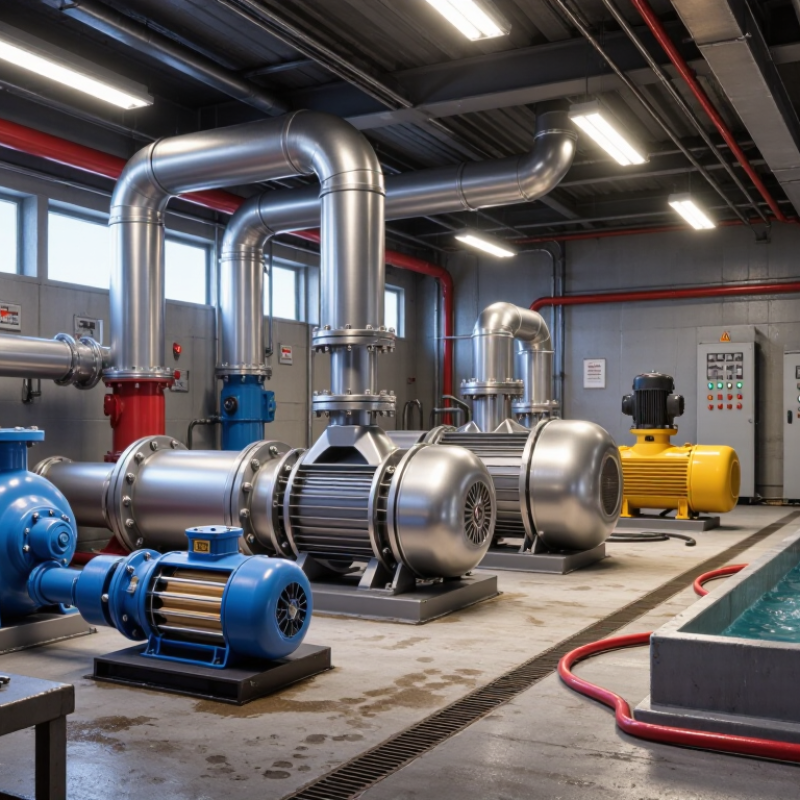
Pump selection begins with the duty point, not the pump catalog. Record required flow, total dynamic head, fluid temperature, density, and viscosity. A centrifugal pump may suit clean, low-viscosity water, while a positive-displacement pump handles thicker fluids more steadily. Small details matter. A ten-degree temperature change can alter viscosity and suction conditions.
The U.S. Department of Energy reports that optimized pumping systems can achieve 20–50% energy savings. Buyers should compare efficiency at the actual operating point, not only the rated maximum. Use the Hydraulic Institute’s performance guidance to check flow, head, power, and efficiency curves.
For viscosity, request corrected performance data. Water-based curves can mislead when the fluid resembles syrup.
NPSH₃ needs careful attention. It represents the net positive suction head associated with a 3% head reduction during testing. Calculate available NPSH using suction pressure, vapor pressure, elevation, friction losses, and temperature. Keep a practical margin above the required value.
ISO 5199 provides technical requirements for centrifugal pump design, testing, and documentation. Ask for test conditions, tolerances, materials, and seal limits.
A spreadsheet can still mislead. Field piping, clogged strainers, and hot liquid may reduce the real margin. Review these risks before choosing among the ten pump types.
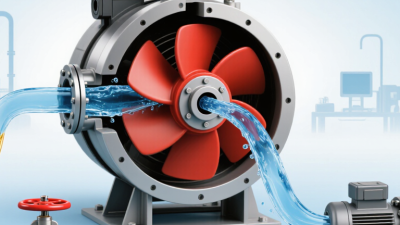
Dynamic pumps convert rotating motion into fluid velocity, then pressure. The three main types are centrifugal, axial-flow, and mixed-flow pumps.
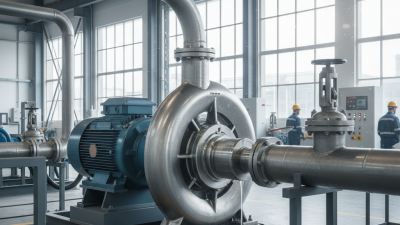
Centrifugal pumps suit clean or lightly contaminated liquids and moderate-to-high pressure duties.
The U.S. Department of Energy reports that pumping systems can consume 25% to 50% of industrial facility electricity. Efficiency matters. A poorly selected impeller may waste power every operating hour.
Variable-speed control can reduce throttling losses, but only when the system curve supports it.
Axial-flow pumps move large volumes at low heads. They fit drainage, flood control, cooling-water circulation, and irrigation. Mixed-flow pumps balance both characteristics, handling medium-to-high flow with moderate head.
According to the 2024 IMARC Group industrial pump market report, global demand is expanding as water infrastructure and process industries invest in capacity. That growth does not make every pump suitable. This is the difficult part.
Global buyers should compare best-efficiency-point performance, net positive suction head, solids tolerance, seal materials, and local voltage requirements.
ISO 9906 testing provides a useful reference for pump hydraulic acceptance. Ask for certified curves, not brochure estimates.
Installation experience also changes results: a short suction line, proper alignment, and fewer sharp elbows can prevent vibration and cavitation.
Real sites are rarely perfect. A pump selected from one duty point may struggle during seasonal flow changes.
For global buyers comparing the top 10 fluid pump types, rotary pumps deserve close attention.
Gear pumps use meshing teeth to move oil, fuel, and other viscous liquids. They deliver steady flow, but solid particles can damage tight clearances.
Screw pumps run smoothly with low pulsation. They suit lubricating fluids and long transfer lines, especially when noise control matters.
Vane pumps use sliding vanes inside a rotating chamber. They can provide efficient flow at moderate pressure, but vane wear increases when fluids contain abrasive particles.
Lobe pumps handle delicate liquids with gentle movement. Their larger passages support food, cosmetic, and sanitary applications. However, they may require more space and careful speed control.
Pump selection should consider viscosity, temperature, pressure, flow rate, seal material, and cleaning requirements. A pump that performs well with warm oil may struggle with a cold, thick liquid.
Tips: Ask suppliers for a performance curve using your actual fluid temperature. Check whether the pump tolerates dry running, pressure changes, and occasional air entrainment. Confirm material certificates and regional safety documentation before ordering. Keep a small margin above the required flow rate, but avoid excessive oversizing. It wastes energy and can increase wear. In practice, buyers sometimes focus too heavily on purchase price. That choice can become expensive after seal replacement, downtime, and cleaning delays. The best decision is not always the fastest pump. It is the one that matches the full operating cycle.
Among the top ten fluid-pump categories, positive-displacement designs deserve careful attention. The U.S. Department of Energy reports that pumping systems can consume 25% to 50% of industrial electricity. That makes efficiency a purchasing issue, not a brochure detail.
Piston pumps deliver precise flow at high pressure, using a sealed plunger and check valves. They suit metering, pressure testing, and viscous liquids, but seals need inspection. A small leak can quickly become a calibration problem. Diaphragm pumps separate the liquid from moving parts with a flexible membrane. This design helps handle corrosive, dirty, or shear-sensitive fluids. Buyers should verify diaphragm material, stroke rate, pressure stability, and dry-run behavior. Chemical resistance is not a complete specification.
Peristaltic pumps move fluid by squeezing a reinforced tube with rotating shoes or rollers. They offer gentle handling, easy isolation, and useful dosing for slurries or fragile fluids. Tube life depends on pressure, speed, temperature, and abrasion. It is often underestimated. UNESCO’s 2024 World Water Development Report states that agriculture accounts for about 70% of global freshwater withdrawals. That figure highlights the need for dependable dosing in treatment and irrigation. I would test the actual fluid, not only the datasheet.
Top 10 Types of Fluid Pumps for Global Buyers
Global Buyer Standards: API 610, API 675, ASME B73.1, and ISO 2858
Selecting a fluid pump requires more than checking flow and pressure. API 610 guides centrifugal pumps used in demanding petroleum, petrochemical, and gas services. It addresses mechanical design, materials, testing, vibration, and reliability. Buyers should request the applicable edition, data sheets, inspection records, and performance curves. Do not accept vague claims of compliance.
API 675 covers controlled-volume metering pumps, where accurate dosing and repeatable performance matter. Confirm capacity range, calibration method, pulsation control, and diaphragm or plunger materials. ASME B73.1 supports standard horizontal end-suction centrifugal pumps for chemical process duties. Its dimensional guidance can simplify installation and replacement planning. Small details matter. Nozzle orientation can affect piping costs.
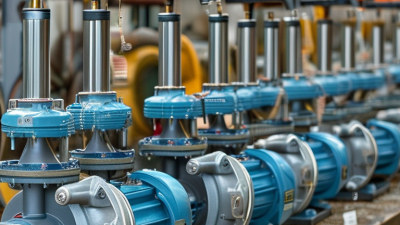
ISO 2858 helps buyers compare end-suction centrifugal pumps through standardized dimensions, designations, and duty-point information. However, a shared standard does not guarantee suitability for every liquid. Viscosity, solids, temperature, vapor pressure, and corrosion can change the selection. A paper certificate may look convincing, yet still omit seal limits or motor conditions. That is a common weakness. Reviewers should compare the standard against the actual operating case, not only the quotation. Field feedback, witnessed testing, spare-parts access, and clear documentation often reveal more than a polished specification sheet. Even experienced buyers can miss transient conditions during startup. Safety margins deserve a second review.
Representative upper-flow references for common industrial pump types, with buyer standards including API 610, API 675, ASME B73.1, and ISO 2858.
Centrifugal pumps generally support higher flow rates, while metering, positive-displacement, and hygienic pump types are selected for controlled flow, higher viscosity, or precise dosing. Actual operating limits depend on pressure, fluid properties, temperature, materials, and manufacturer design.