Sealless Pumps for a Safer and Greener World

Selecting the 2026 best Fluid End Modules requires more than comparing catalog prices. Global buyers need dependable performance, accurate fit, and clear technical evidence. These modules control critical pressure cycles in pumps used across oilfield, mining, industrial, and water-related operations. A small design error can cause leakage, vibration, or premature wear.
This guide examines Fluid End Modules through practical purchasing criteria. We consider material grades, pressure ratings, connection standards, plunger compatibility, valve access, and expected service life. Manufacturing experience matters. So does inspection. Reliable suppliers should provide dimensional drawings, material certificates, pressure-test records, and traceable quality documentation. Buyers should also review machining tolerances and surface finishes, especially when modules face abrasive fluids or frequent cycling.
Fit comes first. Supplier support matters too.
No ranking is perfect. Operating conditions vary between regions, and a module performing well in one field may disappoint elsewhere. That assumption can fail. Temperature, fluid chemistry, spare-part availability, and local maintenance skills often change the final decision. Delivery reliability also deserves attention, because a low-cost module is not economical when production stops for weeks.
The following overview compares leading options for global procurement in 2026. It balances technical performance, replacement convenience, lifecycle value, and supplier credibility. Buyers can use these insights to ask better questions before placing an order. The strongest choice is not always the most advanced design. It is the module that matches the pump, application, budget, and service conditions with measurable confidence.
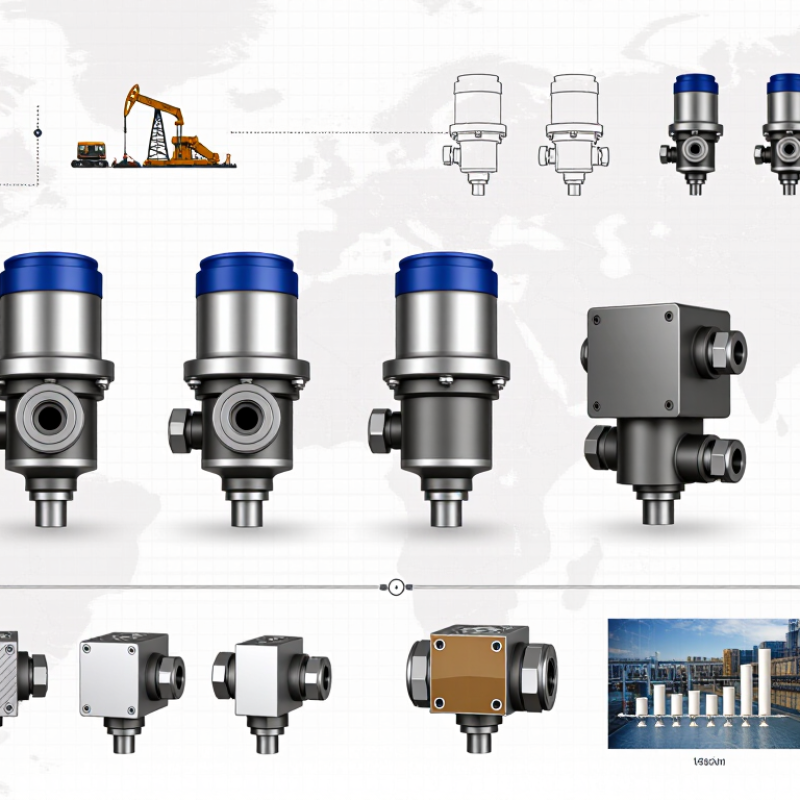
A fluid end module is the pressure-producing side of a reciprocating pump. It usually includes the fluid cylinder, suction and discharge valves, valve seats, plungers, packing, and manifolds. During suction, the plunger moves back and lowers chamber pressure. Liquid then enters through the inlet valve. During discharge, the plunger advances, raises pressure, and opens the outlet valve. This repeated motion can resemble a controlled heartbeat inside the pump.
Material selection matters because the fluid end touches the process liquid directly. Forged alloy steel may support demanding pressure cycles, while stainless materials can improve corrosion resistance. Buyers should compare pressure ratings, flow requirements, valve design, sealing method, and spare-part access. API 674 provides a widely used framework for reciprocating positive-displacement pumps. The U.S. Department of Energy’s Pumping System Assessment Tool guidance also notes that pumping systems can represent nearly 20% of industrial electricity use. Efficiency deserves attention, even when the module itself appears small.
Tips: Ask for pressure-test records, material certificates, dimensional drawings, and documented cycle-life data. Check whether the module fits existing manifolds. A perfect selection is rare. I would recheck fluid compatibility under real temperature changes, not only laboratory conditions. The IEA’s Energy Efficiency 2023 report highlights the continuing importance of motor and system efficiency. Therefore, evaluate the complete pump package, including drive losses and maintenance downtime. A cheaper fluid end may become expensive after repeated valve or packing replacement.
For global buyers, fluid end modules should be judged by materials, not appearance. The main assembly includes the fluid end body, liners, pistons, valves, seats, plugs, and seals. Forged low-alloy steel is common because it handles repeated pressure cycles and impact. Stainless steel or duplex grades can improve corrosion resistance in saline or chemically aggressive service. However, higher alloy content does not automatically guarantee longer life.
Tungsten carbide coatings are often applied to wear surfaces exposed to abrasive drilling fluids. The U.S. Geological Survey reported about 81,000 metric tons of global tungsten mine production in 2024, highlighting the importance of responsible carbide sourcing. Polyurethane, nitrile rubber, and fluoroelastomers are used for seals and piston components, depending on temperature and fluid compatibility.
The World Steel Association recorded approximately 1.88 billion tonnes of global crude steel production in 2024, but production volume says little about traceability or fatigue performance. That distinction matters.
API Spec 7K and NACE MR0175/ISO 15156 provide useful requirements for pressure equipment and sour-service material selection. Buyers should request heat-treatment records, hardness results, dimensional reports, and non-destructive testing data. A practical inspection includes checking valve-seat contact, liner finish, and seal compression. Small defects can become expensive failures. Material charts do not replace field experience. Some specifications still look acceptable on paper, yet perform poorly under changing pressure, temperature, and solids concentration.
Fluid end modules determine how a pump handles pressure, chemicals, solids, and maintenance. For centrifugal systems, the casing, impeller chamber, wear rings, and mechanical seal form the working fluid boundary. These modules suit continuous, high-flow transfer. For metering duties, diaphragm fluid ends provide separation between the process liquid and drive mechanism. They are safer for corrosive or toxic media, especially when leakage control matters.
Plunger and piston fluid ends fit high-pressure reciprocating pumps. A plunger module usually supports cleaner liquids and tighter flow control. A piston module can tolerate more demanding service, but seals require closer inspection. Triplex arrangements reduce pulsation through overlapping strokes. Small details matter: incorrect valve springs, rough seats, or unsuitable elastomers can quickly reduce capacity.
The numbers are significant. The U.S. Department of Energy reports that pumping systems may consume up to 25% of industrial electricity. The International Energy Agency also states that motor-driven systems represent more than half of global electricity use. Therefore, fluid end selection affects energy, not only reliability. In field work, operators often focus on rated pressure and overlook suction conditions. That is a mistake. Temperature, viscosity, suspended solids, and operating cycles should be checked against ISO 13710 or API 674 requirements. Data sheets help, but real operating records are better. Geological conditions, maintenance habits, and imperfect installation can change the result.
Global buyers should evaluate fluid end modules against real operating conditions, not catalog pressure alone. The International Energy Agency’s Oil 2024 report projects global oil demand at 105.4 million barrels per day by 2030. This outlook supports continued demand for reliable pumping equipment across different regions. However, applications vary sharply. A desert drilling site may require heat-resistant seals and dust protection. An offshore unit may prioritize corrosion resistance, compact service access, and certified lifting points.
Start with pressure, flow rate, fluid chemistry, and operating temperature. Check whether the module supports the pump’s actual duty cycle. API Spec 7K can guide requirements for drilling and well-servicing equipment. Material selection also matters. Stainless alloys may resist corrosive fluids, while hardened steel can suit abrasive slurries. Ask for documented tensile data, hardness ranges, inspection records, and traceability. Paperwork matters.
Field reviews often reveal a weak point: maintenance assumptions are too optimistic. A module may perform well in laboratory testing but fail early when flushing is inconsistent. No checklist is perfect. Buyers should compare seal replacement time, spare-part availability, machining quality, and local technician capability. The World Bank’s Commodity Markets Outlook continues to highlight commodity-price volatility, so lifecycle cost deserves close attention. A cheaper module can become expensive after repeated downtime, emergency freight, or incompatible replacement parts. Test samples under realistic pressure and temperature before approving large-volume purchases.
2026 Best Fluid End Modules for Global Buyers
Installation, Maintenance, and Replacement Considerations
For global buyers, selecting a fluid end module starts with the pump’s actual operating data. Confirm pressure rating, flow rate, bore size, connection type, and fluid temperature. A module that fits on paper may fail after heat, vibration, or abrasive solids appear. Request dimensional drawings and material certificates before shipment. Keep them with the equipment record.
During installation, clean every mating surface and inspect studs, threads, seals, and valve seats. Use calibrated torque tools and follow a cross-pattern tightening sequence. Check alignment before connecting suction and discharge lines. Misalignment can load the module unevenly. Perform a controlled pressure test, then inspect for seepage around covers and plugs. Do not rush this step. One overlooked seal can stop a shift. Technicians should record torque values, test pressure, date, and installer name.
Maintenance works best when it is scheduled, not reactive. Inspect wear surfaces, liners, pistons, valves, and packing at defined intervals. Shorten intervals when solids, high temperature, or unstable suction conditions are present. Keep a measured wear history rather than relying on appearance alone. For replacement, compare the removed module with the new unit in a clean area. Check dimensions twice. A perfect installation rarely exists; even experienced teams can miss a small tolerance change. That detail deserves review before startup.
| Module Type | Typical Application | Typical Pressure Range | Common Fluid-End Materials | Connection and Installation Considerations | Maintenance Priorities | Replacement Indicators | Global Buyer Suitability |
|---|---|---|---|---|---|---|---|
| Triplex Plunger Pump Fluid End High availability General purpose | Drilling fluids, well servicing, pressure testing, chemical injection, and industrial high-pressure transfer. | Commonly 3,000–10,000 psi working pressure; higher ratings are available for engineered applications. | Forged or cast alloy steel body; replaceable valve seats, valves, liners, packing, and plunger components. | Confirm pump model, stroke length, plunger diameter, bolt pattern, suction and discharge orientation, and rated working pressure. Install with clean mating surfaces and correctly torqued fasteners. | Inspect valves, seats, packing, plungers, discharge dampener, suction manifold, and pressure-relief devices. Monitor pressure pulsation, leakage, vibration, and fluid temperature. | Cracks, washout, repeated leakage after component replacement, damaged threads, excessive bore wear, or pressure loss under stable operating conditions. | A practical choice where spare parts, trained service technicians, and field-replaceable wear components are important. |
| Quintuplex Plunger Pump Fluid End Lower pulsation Continuous duty | Fracturing support systems, cementing, acidizing, high-pressure water injection, and other continuous-duty services. | Commonly 5,000–15,000 psi working pressure, subject to pump design, fluid properties, and operating speed. | High-strength forged alloy steel or corrosion-resistant alloy options; replaceable valve and packing components. | Verify manifold alignment, hydraulic cleanliness, suction conditions, pulsation dampener pre-charge, and pressure rating of every connected component. | Track valve-cycle life, packing leakage, discharge pulsation, liner condition, dampener pressure, and fastener torque. Use clean, filtered fluid to limit abrasive wear. | Progressive washout, reduced volumetric efficiency, abnormal pulsation, recurring valve failure, or body deformation around fluid passages. | Suitable for buyers prioritizing smoother discharge flow and reduced pulsation in demanding continuous operations. |
| Duplex Plunger Pump Fluid End Simple layout Low-speed service | Mud circulation, utility pumping, industrial cleaning, water injection, and moderate-duty well service. | Commonly 1,500–5,000 psi working pressure; actual limits depend on cylinder size and manufacturer design. | Carbon or alloy steel body with replaceable valve seats, valves, packing, and liners. | Check suction piping size, suction lift, air entrainment, pulsation control, and accessibility for valve and packing replacement. | Examine valves and seats for impact damage, packing for leakage, liners for scoring, and the suction manifold for cavitation evidence. | Severe bore scoring, persistent leakage, damaged fluid passages, or inability to maintain specified discharge pressure. | Well suited to cost-sensitive installations where a straightforward fluid-end layout and easy field servicing are preferred. |
| High-Pressure Fracturing Fluid End Heavy duty Abrasion resistant | Hydraulic fracturing, stimulation, acid pumping, and abrasive slurry service. | Commonly 10,000–15,000 psi working pressure; maximum allowable pressure must be verified against the complete pumping system. | High-strength forged alloy steel, hardened fluid passages, replaceable seats, valves, packing, and expendable wear inserts. | Confirm pressure rating, flow direction, fluid-end configuration, manifold compatibility, torque values, and pressure-test requirements before commissioning. | Perform frequent visual inspections for washout, monitor discharge pressure and vibration, check valve and packing life, and inspect for erosion after abrasive treatments. | Visible washout, erosion near valve pockets or discharge passages, pressure-test failure, body cracking, or rapid loss of packing life. | Best for high-pressure operations when lifecycle cost, rapid component changeout, and resistance to erosive fluids are major purchasing factors. |
| Stainless or Corrosion-Resistant Fluid End Corrosive service Chemical compatibility | Acidizing, produced-water handling, chemical injection, brine transfer, and selected offshore or marine applications. | Commonly 1,000–10,000 psi working pressure, depending on material grade, geometry, temperature, and service fluid. | Corrosion-resistant stainless or nickel-alloy wetted components; elastomers must be selected for the chemical and temperature range. | Confirm compatibility with chlorides, acids, hydrogen sulfide, solvents, and treatment chemicals. Prevent galvanic contact and flush the module after corrosive service. | Inspect pitting, crevice corrosion, seal swelling, fastener condition, surface passivation, and contamination from incompatible cleaning chemicals. | Pitting beyond allowable depth, stress-corrosion cracking, loss of dimensional tolerance, seal degradation, or evidence of chemical attack. | Appropriate for buyers operating in corrosive environments, provided material compatibility is validated against the actual fluid chemistry. |
| Compact Modular Fluid End Fast changeout Limited footprint | Skid-mounted equipment, mobile well service units, test pumps, compact water injection packages, and remote installations. | Commonly 3,000–10,000 psi working pressure, depending on the cylinder arrangement and module configuration. | Forged alloy steel or corrosion-resistant options with replaceable internal wear parts. | Measure available clearance, lifting points, module weight, hose bend radius, bolt access, and alignment with the power end before ordering. | Maintain spare valve assemblies, packing sets, fasteners, seals, and lifting hardware. Check mounting bolts and connections after initial operation. | Distorted mounting surfaces, damaged connection faces, cracked body sections, excessive vibration, or repeated misalignment after installation. | Useful for remote and mobile buyers who value reduced installation time, manageable lifting requirements, and simplified logistics. |
| Abrasion-Resistant Mud Pump Fluid End Solids handling Drilling duty | Drilling mud circulation and high-solids fluids containing barite, cuttings, or other abrasive particles. | Commonly 3,000–7,500 psi working pressure; maximum pressure depends on pump configuration and drilling program. | Forged alloy steel body with hardened or replaceable liners, valve seats, valves, pistons, and packing. | Confirm liner dimensions, piston size, valve configuration, suction dampener condition, and compatibility with the drilling-fluid system. | Control solids content and filtration, inspect liners and pistons, check valve washout, verify suction stability, and monitor discharge pulsation. | Liner cracks, piston extrusion, valve-pocket erosion, reduced flow at constant speed, or rapid increase in discharge pulsation. | A strong option for drilling contractors that need replaceable wear parts and predictable maintenance intervals in abrasive service. |
| Replacement or Retrofit Fluid End Interchangeability Lifecycle extension | Refurbishment of existing pumps, modernization projects, emergency replacement, and standardization of installed equipment. | Must match or exceed the original pump's rated working pressure, test pressure, flow rate, and operating temperature. | Material and heat treatment should be documented; wetted-part materials must match the process fluid and existing wear-part specification. | Provide pump model, serial information, dimensional drawings, valve and liner sizes, flange or thread details, and installation orientation. Never rely on appearance alone. | Confirm dimensional fit, torque sequence, pressure-test records, spare-part availability, and post-installation alignment. | Select replacement when the existing body is cracked, pressure testing fails, repair machining exceeds tolerance, or compatible wear parts are no longer available. | Suitable for global buyers seeking shorter downtime, provided dimensional interchangeability and pressure-rating documentation are verified. |


