Sealless Pumps for a Safer and Greener World

The marine pumps industry is crucial for various sectors, including shipping, fishing, and recreational boating. According to recent market analysis, the global marine pumps market is expected to reach $5.8 billion by 2026, growing at a CAGR of 4.2%. This growth is driven by the increasing demand for efficient, reliable solutions in harsh marine environments.
Marine pumps play a vital role in maintaining vessel performance and safety. They are essential for a range of applications, such as bilge pumping, fresh water supply, and fuel transfer. However, not all products meet the high standards expected by professionals. Industry experts note that 30% of marine pump failures stem from incorrect installation or insufficient maintenance. Such statistics highlight the need for careful selection and ongoing training in the marine sector.
Choosing the right marine pumps requires specific knowledge and experience. Buyers must consider factors like efficiency, durability, and compatibility with their systems. The industry is not without challenges. While technological advancements are promising, many older vessels still rely on outdated systems. This gap creates an opportunity for innovation and improvement, reflecting the ever-evolving landscape of marine engineering.
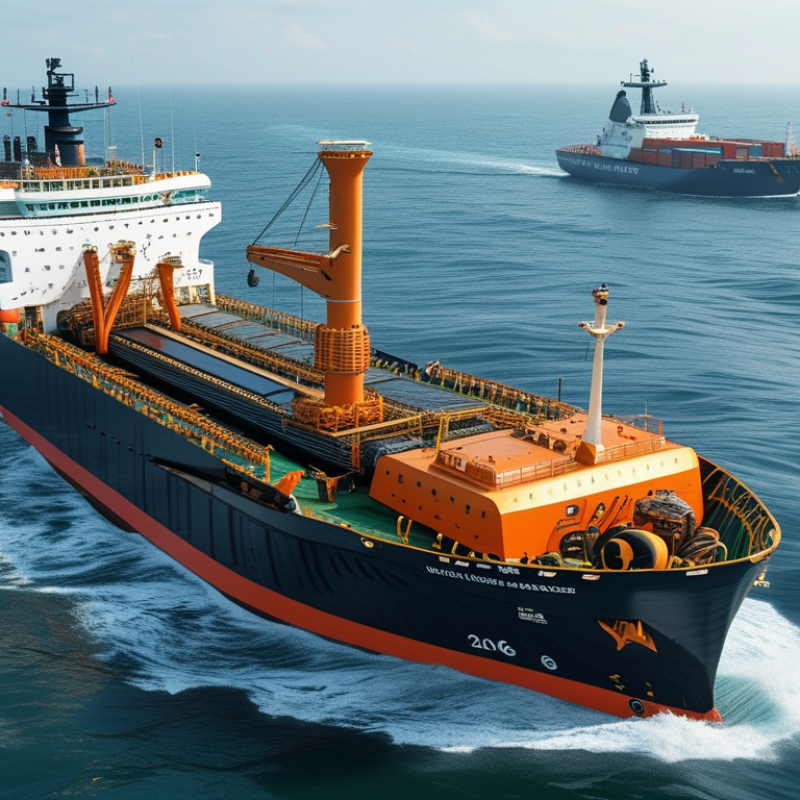
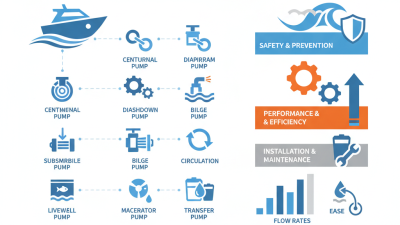
Marine pumps play a crucial role in various applications across the maritime industry. Understanding the types of marine pumps is essential for making informed decisions. Common types include bilge pumps, fuel pumps, and ballast pumps, each with specific functions. Bilge pumps remove excess water from the vessel’s bilge. They are vital for maintaining buoyancy and preventing capsizing. Fuel pumps transfer fuel from storage tanks to engines, ensuring smooth operation during voyages.
Ballast pumps manage water used for stability. They help adjust a ship's weight, enhancing performance and safety. Other types, such as sump and sanitary pumps, also cater to specific needs like waste management and fresh water supply. The choice of pump depends on factors like vessel size, intended use, and environmental considerations. Not all pumps fit every situation; proper knowledge aids in choosing the right type.
Many users face challenges selecting marine pumps. Inadequate understanding of pump specifications can lead to inefficient operation. It’s essential to consider pump capacity, material compatibility, and maintenance requirements. While it can be tempting to overlook details, these factors significantly impact performance and safety. Research, expert guidance, and real-world experience are invaluable when navigating the marine pump market.
| Pump Type | Application | Flow Rate (m³/h) | Max Pressure (bar) | Material |
|---|---|---|---|---|
| Centrifugal Pump | Bilge Water Removal | 50-400 | 8-12 | Stainless Steel |
| Gear Pump | Fuel Transfer | 20-100 | 6-10 | Aluminum |
| Diaphragm Pump | Chemical Transfer | 10-50 | 4-8 | PTFE |
| Submersible Pump | Dewatering | 100-600 | 5-15 | Polypropylene |
| Self-Priming Pump | Water Transfer | 30-100 | 10-20 | Cast Iron |
When selecting marine pumps, several key features play a vital role. Efficiency is paramount. According to a recent report, energy-efficient pumps can reduce operational costs by up to 30%. This reduction can significantly benefit buyers looking to invest in durable and sustainable solutions. Higher efficiency often translates into lower energy consumption, which is crucial in marine applications.
Durability is another essential feature. Marine environments are harsh. Pumps need to withstand corrosion, abrasion, and other wear factors. A study from a leading maritime engineering organization suggested that pumps made with high-grade materials often last two to three times longer than their lower-quality counterparts. This lifespan can ultimately lead to lower maintenance costs and reduced downtime.
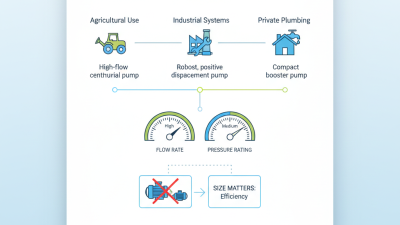
Flow rate and pressure ratings should not be overlooked. Each vessel has specific needs. Buyers should match pump specifications to their application’s requirements. The right flow rate is crucial for ensuring optimal performance. Some reports indicate that incorrect sizing can lead to inefficiencies and increased energy usage. The challenge lies in balancing capacity with performance while considering future needs.
The global marine pump market is witnessing substantial growth. Recent market analysis shows an expected CAGR of over 4% from 2023 to 2028. This growth is driven by increasing shipping activities and the demand for innovative pumping solutions. Efficient and reliable pumps are crucial in maintaining operational efficacy for maritime applications.
Leading manufacturers in this sector are focusing on technology enhancement. Many are prioritizing eco-friendly designs to meet regulations and sustainability goals. Innovations such as smart pumps and automation systems are gaining traction. These advancements improve performance and minimize environmental impact. Despite the progress, challenges like fluctuating raw material prices linger. Manufacturers need to remain agile to adapt to market changes.
Furthermore, the competitive landscape continues to evolve. Emerging players are disrupting traditional market dynamics. They offer competitive pricing alongside technological features. This shift compels established brands to innovate constantly. Overall, navigating this evolving environment demands not only expertise but also adaptability in the marine pump market.
The marine pump industry is witnessing significant changes driven by global trends. Increasing environmental regulations are pushing manufacturers to adopt sustainable practices. New materials are being developed to enhance corrosion resistance and improve durability. This shift not only meets regulatory standards but also addresses the growing demand for eco-friendly technologies.
Moreover, advancements in automation and digitalization are reshaping marine pump design. Smart pumping systems are now equipped with sensors and IoT capabilities for real-time monitoring. These features allow for predictive maintenance, reducing downtime and operational costs. Yet, implementing such technology poses challenges. Smaller companies may struggle to afford the necessary upgrades.
Another crucial influence is the evolving energy landscape. As hybrid and electric propulsion systems become more common, marine pumps must adapt. This trend requires engineers to rethink design parameters to accommodate different power sources. However, the transition can be complex, demanding innovation while facing resistance from traditional practices. The path forward may require careful consideration and flexibility to harness emerging opportunities.
Maintaining marine pumps is essential for optimal performance and longevity. Regular inspections can help prevent issues before they escalate. Check for any signs of wear and tear, such as leaks or unusual noises. Lubrication is crucial; ensure that all moving parts receive the necessary grease or oil to minimize friction. Keeping the pump clean can also enhance its efficiency.
Understanding the operating environment influences pump performance. Saltwater exposure can lead to corrosion. Rinsing the pump with fresh water after each use can help mitigate this effect. Regularly replacing worn-out parts is a proactive measure. Investing time in these practices may seem tedious, but it pays off in reliability.
Monitoring temperature and pressure levels is vital. Abnormal readings often indicate underlying problems. Adjusting the pump's settings according to the load can optimize performance. A careful approach during operation can reduce the risk of costly failures. Balancing performance and maintenance requires ongoing attention, but it is essential for any marine system.