Sealless Pumps for a Safer and Greener World

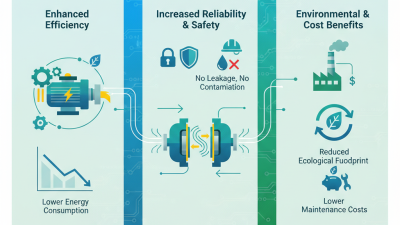
In recent years, the sealless pump market has grown significantly. Industry reports indicate that the demand for sealless pump solutions has increased by over 20% in the past two years. This surge is largely due to their efficiency and lifespan. Unlike traditional pumps, sealless pumps operate without mechanical seals. This design minimizes leakage and reduces maintenance needs.
Various applications benefit from sealless pumps. For example, industries like chemicals and pharmaceuticals rely heavily on them. A study found that sealless pumps reduce operational downtime by 30%. However, choosing the right sealless pump can be challenging. There are multiple factors to consider. In addition to capacity and fluid compatibility, energy consumption plays a crucial role.
While many options are available, not all sealless pumps meet every need. It’s essential to evaluate the specifics of your application. Some users report performance variability in harsh environments. The concerns surrounding reliability cannot be overlooked. Selecting the best sealless pump requires careful consideration and analysis of available data and reports.
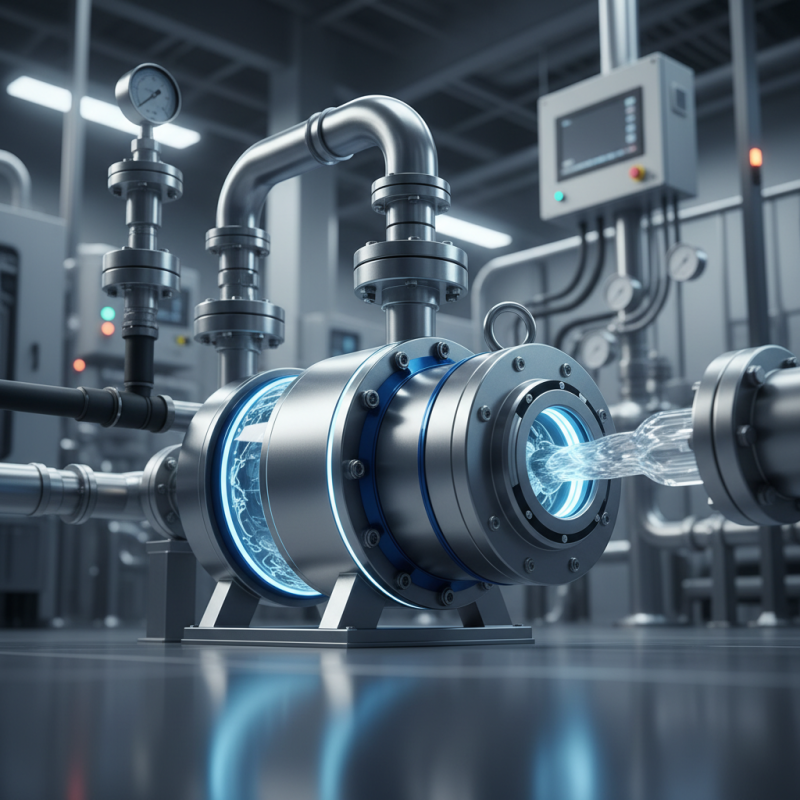
Sealless pumps are becoming increasingly popular across various industries. These pumps eliminate mechanical seals, which are a common source of leaks. A report from the National Pumping Association highlights that more than 60% of pump failures are due to seal issues. This inefficiency not only leads to downtime but also increases operational costs.
One of the primary advantages of sealless pumps is their ability to handle hazardous fluids safely. In processes involving corrosive or toxic materials, leaks can pose serious risks. According to research by the Chemical Engineering Journal, sealless designs can increase safety by up to 40% in chemical processing environments. This reduction in risk is crucial for companies looking to ensure compliance with safety regulations.
However, sealless pumps are not without their challenges. The initial investment can be higher than conventional pumps. Maintenance may also require specialized knowledge. Users must continually assess their operational needs. Some industries may find that traditional pumps suffice, despite the advantages of sealless technology. Careful consideration of these factors is essential for making an informed decision.
| Pump Model | Flow Rate (GPM) | Max Pressure (PSI) | Material Compatibility | Head Height (ft) | Application |
|---|---|---|---|---|---|
| Model A1 | 15 | 150 | Chemicals, Water | 30 | Industrial |
| Model B2 | 25 | 200 | Water, Oils | 40 | Food Processing |
| Model C3 | 10 | 100 | Acids, Bases | 20 | Chemical Processing |
| Model D4 | 30 | 250 | Solvents, Oils | 50 | Heavy Industry |
| Model E5 | 20 | 180 | Water, Fuels | 35 | Agriculture |
Sealless pumps are becoming increasingly vital in various industries. They offer unique benefits that make them suitable for specific applications. These pumps can handle abrasive materials, corrosive liquids, and sensitive fluids without the risk of leakage. This is particularly important in sectors like chemical processing and pharmaceuticals, where contamination must be avoided.
In the food and beverage industry, sealless pumps can transport various liquids safely. They can move viscous substances like syrups or sauces without introducing pathogens. Their self-priming capability ensures they can work efficiently in challenging conditions. However, selecting the right sealless pump can be tricky. Operators must consider compatibility with the materials being pumped. Misjudgments can lead to equipment failures or production delays. Proper training is essential to navigate potential issues.
Moreover, sealless pumps are not foolproof. Repair and maintenance can be expensive. Once a pump fails, the downtime can be costly for businesses. It's also essential to regularly monitor their performance to prevent unexpected breakdowns. Understanding these challenges can lead to better management of sealless pumps in different applications. Balancing efficiency and costs is crucial for sustainable operations.
This chart represents the market share distribution of various applications for sealless pumps in the year 2026. The highest market share is observed in chemical transfer applications, followed closely by the pharmaceutical industry, illustrating the diverse applicability of sealless pumps across different sectors.
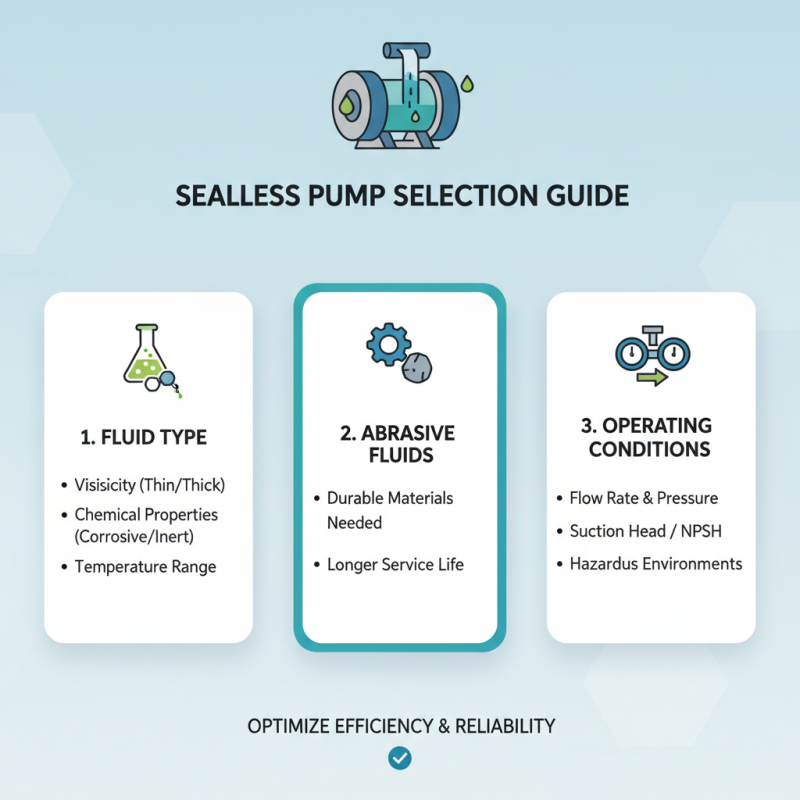
When selecting a sealless pump, several factors come into play. The type of fluid being pumped is crucial. Different fluids have different viscosities and chemical properties. Understanding these characteristics helps in making a sound choice. If the fluid is abrasive, a pump with durable materials is needed. This ensures longevity and efficiency.
Also, consider the flow rate. Knowing how much fluid you need to move is vital for effective operation. A pump that is too small will struggle, while one that is too large may waste energy. Efficiency in energy use is an often overlooked detail. An overly powerful pump can lead to high utility bills and unnecessary wear.
Another important factor is the installation location. Some spaces are tight or require specific pumping orientations. Check the pump's size and weight against your site restrictions. Maintenance should not be ignored either. Regular checks are essential for performance. Reflect on your capabilities to maintain the pump. A pump that requires specialized tools or skills can complicate routine care.
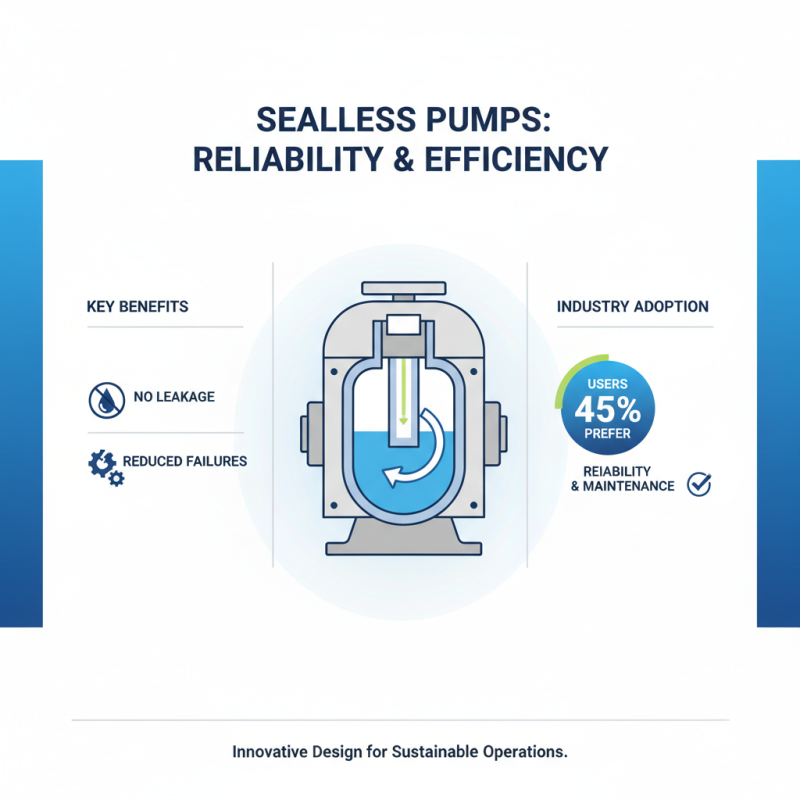
Sealless pumps have grown in popularity due to their unique design and efficiency. These pumps reduce leakage and eliminate seal-related failures. A recent industry report noted that 45% of users preferred sealless pumps for their reliability and maintenance benefits.
Top manufacturers in the sealless pump space are focused on innovation. They develop pumps using advanced materials that withstand corrosive environments. Reports indicate a significant growth trend, with the market expected to reach $5 billion by 2026. This translates to numerous exciting product options available for various applications.
That said, not all sealless pumps perform equally. Some may struggle in specific conditions, leading users to rethink their choices. It's vital to analyze performance metrics and consider user feedback. The right decision can enhance operational efficiency, yet oversights in selection can lead to issues like increased costs and downtime. Users should weigh both benefits and drawbacks before choosing the most suitable sealless pump for their needs.
Sealless pumps are vital in many industries. To ensure their optimal performance, maintenance is crucial. Regular checks can prevent significant issues. For instance, wear and tear on internal components can lead to efficiency loss and increased energy consumption. A report from the Fluid Sealing Association suggests that improper maintenance can decrease a pump's lifespan by up to 40%. This statistic highlights the need for proactive care.
Timely inspections are essential. Look for abnormal vibrations or noises. Such indicators often signal an underlying problem. Additionally, keeping the pump clean can prevent contaminants from affecting its operation. Environmental factors, such as temperature changes, should also be monitored. These changes influence fluid viscosity and can impact overall performance.
Many operators overlook basic aspects. For example, failing to replace worn-out components consistently leads to decreased efficiency. Monitoring energy consumption can also provide insights. In some cases, users may notice spikes in energy usage. This can indicate a need for maintenance or even system upgrades. Understanding these nuances can significantly enhance operational reliability and efficiency.