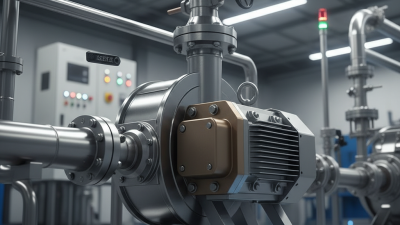
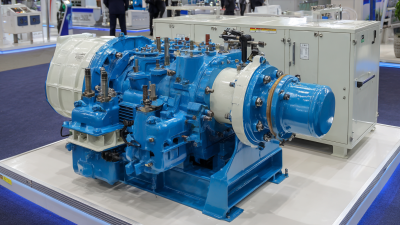
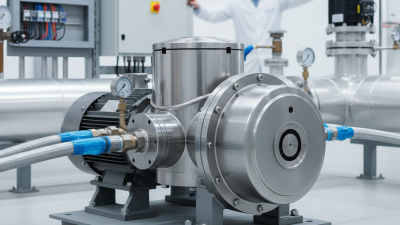
Sealless Pumps for a Safer and Greener World

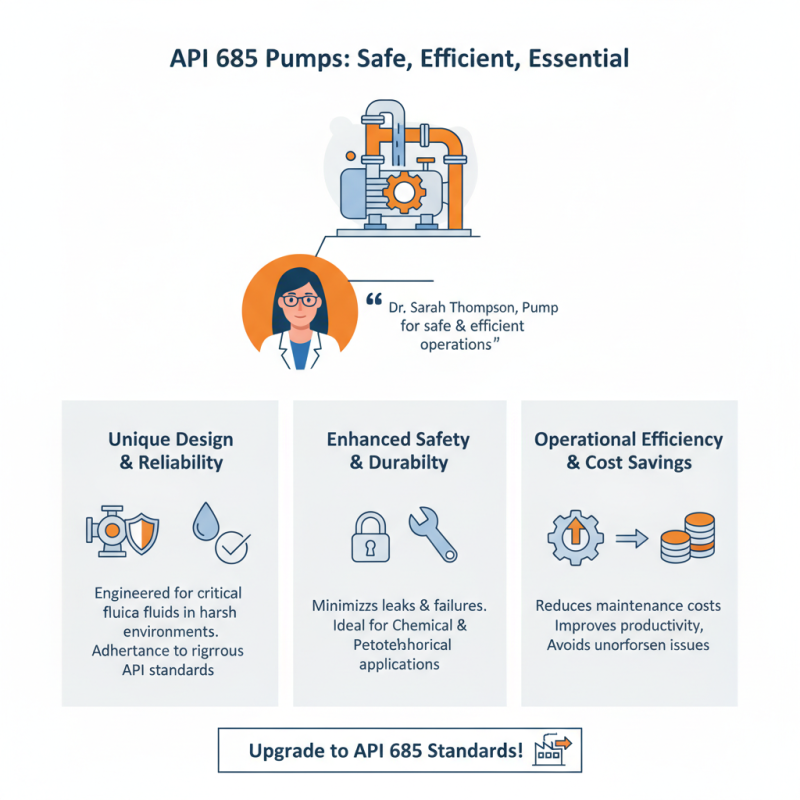
In the world of industrial pump systems, API 685 pumps stand out for their unique design and reliability. Renowned expert Dr. Sarah Thompson, a leading authority in pump technologies, emphasizes their significance: "API 685 pumps are crucial for safe and efficient operations in the industry."
These pumps are specifically engineered to handle critical fluids in harsh environments. Their adherence to rigorous API standards ensures enhanced safety and durability. API 685 pumps minimize the risk of leaks and failures, making them essential for chemical and petrochemical applications.
Yet, the importance of API 685 pumps goes beyond mere functionality. Organizations often underestimate their role in overall operational efficiency. Investing in quality pumps can reduce maintenance costs and improve productivity. Ignoring the significance of API 685 may lead to unforeseen issues. Companies should critically evaluate their current pump systems and consider the potential benefits of upgrading to API 685 standards.
API 685 outlines standards for overhang pumps designed for the chemical process industry. This standard focuses on safety, reliability, and efficiency. It specifies the construction, testing, and performance criteria for these pumps. These pumps are crucial in handling hazardous fluids. They must operate under severe conditions while minimizing leaks.
Understanding API 685 is vital for engineers and facility managers. Compliance helps ensure safe operations and environmental protection. The standard emphasizes robust mechanical seals and non-leak designs. This reduces the risk of spills and enhances safety. Despite its comprehensive guidelines, implementing API 685 can be challenging. Each plant has unique needs and constraints. Adapting these standards may require significant modifications to existing systems.
Ensuring API compliance involves continuous assessment and improvement. Regular inspections and maintenance are necessary. Feedback from operations can identify areas needing enhancement. Companies may struggle to meet all requirements. However, aiming for compliance contributes to overall operational excellence. Awareness of API 685 fosters a culture of safety and responsibility.
API 685 pumps are essential in processes where reliability and safety are critical. These pumps are specifically designed for handling hazardous fluids. They adhere to stringent standards set by the American Petroleum Institute, ensuring durability and performance. An important feature of API 685 pumps is their containment shell design. This helps prevent leaks and protects the environment. According to a report by the Engineering Equipment Research Institute, the failure rates of non-API compliant pumps in similar applications can be up to 30% higher.
Another key specification of API 685 pumps is their ability to operate under varying pressures and temperatures. They can handle high-temperature fluids, which is common in refineries and chemical plants. The materials used for construction, such as stainless steel or high-performance alloys, contribute to their effectiveness. The design focus on reducing vibration and noise further enhances operational efficiency. A study from the Journal of Pump Technology noted that proper installation and maintenance can extend the lifespan of these pumps significantly.
**Tip**: Always consult with experts when selecting pumps. Ensure they meet both operational needs and regulatory requirements. Regular maintenance checks can prevent costly downtimes. Remember, the right pump choice can make a substantial difference in long-term operational success.
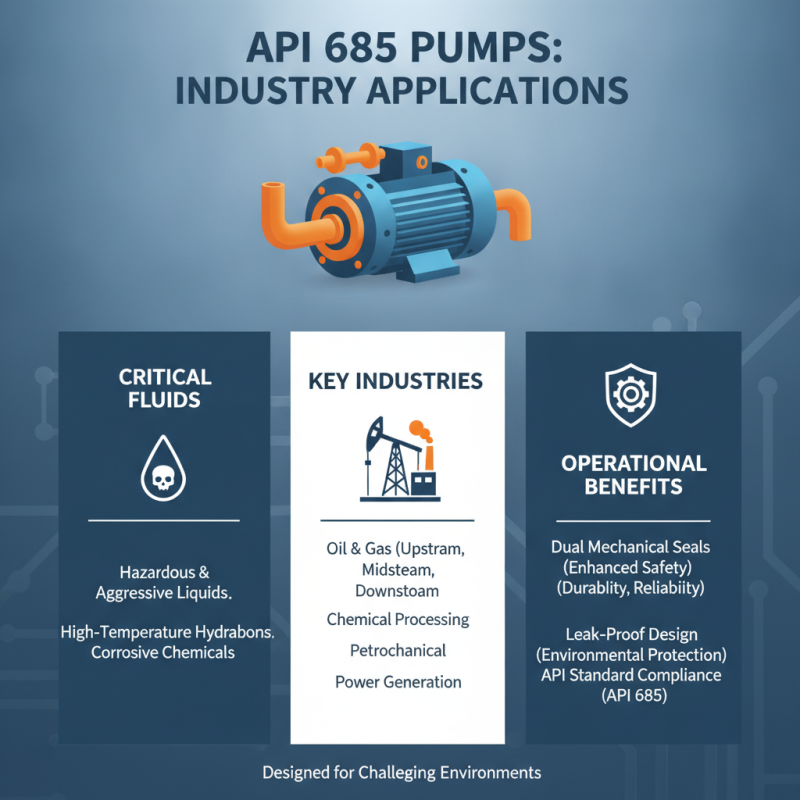
API 685 pumps are essential in various industrial applications, particularly in the oil and gas sector. These pumps are designed for pumping critical fluids in challenging environments. Their features include dual mechanical seals and robust construction that ensure operational efficiency and safety. According to a recent industry report by the American Petroleum Institute, API 685 pumps can handle a wide range of fluids. This includes hazardous and aggressive liquids.
The chemical processing industry heavily relies on API 685 pumps due to their ability to manage corrosive and toxic substances. They provide high reliability and reduce the risk of leakage, which is crucial for maintaining workplace safety. In a manufacturing report, it was found that pumps meeting API 685 standards significantly decrease maintenance costs. Companies see reduced downtime and improved productivity.
API 685 pumps also find uses in power generation, where they transport hydrocarbons. The energy sector requires pumps that can withstand high pressures and temperatures. Unfortunately, not all installations meet the API standards, raising concerns about reliability. Failure to comply with these standards can lead to severe operational issues. The industry must strive for better adherence to API guidelines to enhance safety and efficiency.
API 685 pumps are designed for critical services where reliability is key. They are crucial for processes involving hazardous fluids. These pumps ensure safety and efficiency, making them vital in industries like oil and gas.
Utilizing API 685 pumps offers significant benefits. First, they provide enhanced leak protection. This feature minimizes the risk of contamination. Operators can trust that their processes remain safe. Moreover, these pumps are engineered for high availability. Downtime can be costly, and API 685 pumps help mitigate that concern.
Another advantage is their durability. They withstand harsh conditions better than many alternatives. This can lead to reduced maintenance costs. However, operators must be mindful of installation and monitoring. Any oversight can negate the benefits. Continuous evaluation of these systems is necessary for optimal performance.
API 685 pumps are designed for high reliability and minimal leakage in challenging environments. However, proper maintenance is crucial to ensure their longevity. Regular inspections can identify early signs of wear, especially in seals and bearings. Research shows that proactive maintenance can extend pump life by up to 30%. Yet, many operators overlook routine checks, leading to costly breakdowns.
Safety considerations are paramount when working with API 685 pumps. Operators need to be trained in the unique risks associated with these pumps. According to industry reports, improper handling during maintenance can lead to hazardous leaks or spills. Proper training reduces the likelihood of accidents. Always ensure that safety protocols are followed during maintenance operations.
Tips: Maintain a log of all maintenance activities. Regularly review this log to identify trends in pump performance. Engage with other professionals to share experiences and best practices. Remember, communication and documentation are key to enhancing safety and reliability in pump operation.