Sealless Pumps for a Safer and Greener World

Choosing an Air Release Valve supplier is not a simple price comparison. Global buyers must examine engineering depth, production consistency, testing records, and after-sales support. A reliable supplier should understand pipelines, pumping stations, water treatment plants, and changing site conditions. The wrong valve can trap air, increase pressure surges, or interrupt water flow.
James M. Walski, a respected water-infrastructure engineer, offers a practical principle: “Air management is part of pipeline design, not an afterthought.” This view matters when comparing the 10 Best Air Release Valve Suppliers for Global Buyers. Their products should match pipe diameter, operating pressure, fluid quality, temperature, and installation position. Certification also deserves careful attention. However, certificates alone do not prove field performance.
Look beyond polished brochures.
A strong supplier can explain valve behavior during filling, draining, and sudden pressure changes. Ask for material specifications, factory test reports, maintenance instructions, and project references from comparable regions. A supplier’s response time also reveals its practical value. Delayed technical answers may become costly during installation or emergency repairs.
Some evaluation points are easy to miss. Can the supplier provide replacement seals quickly? Are drawings clear enough for contractors? Does the company support local distributors? These details affect total ownership cost. No supplier is perfect, and every shortlist needs honest review. Product weaknesses, delivery limits, or unclear documentation should not be hidden. This guide compares leading manufacturers through a balanced lens, helping buyers make safer, more informed decisions for demanding pipeline projects.
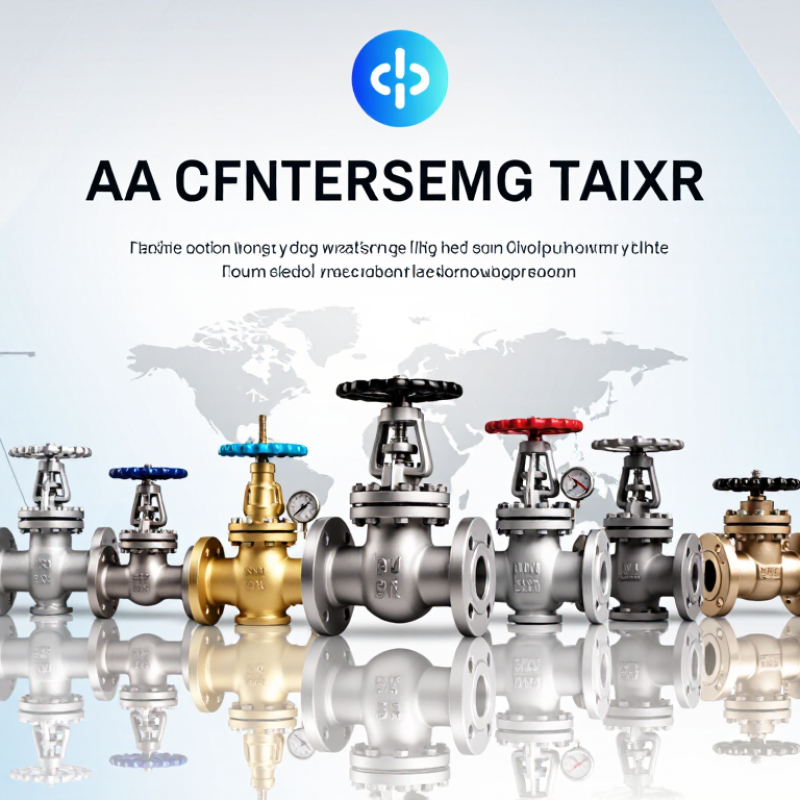
Air release valves manage air trapped inside pressurized pipelines. At high points, pockets can restrict flow, cause pressure fluctuations, and complicate maintenance. Small-orifice air-release valves discharge accumulated air while a line remains pressurized. Air-and-vacuum valves use larger openings to release air during filling and admit air during draining or sudden pressure loss. Combination valves perform both functions. The choice depends on pipe profile, operating pressure, fluid, and expected filling or draining rates. Placement matters. A valve cannot protect a distant high point if the pipeline profile traps air elsewhere.
Typical applications include municipal water mains, wastewater systems, irrigation networks, and industrial process lines. The U.S. Environmental Protection Agency’s 2023 Drinking Water Infrastructure Needs Survey estimated $625 billion in investment needs over 20 years. That figure covers broad infrastructure, not air valves specifically, but it underscores the value of reliable pipeline components. In practice, wastewater service may require attention to corrosion, solids, and odor control; a standard water-service valve may not be suitable. Sizing also deserves care. Oversizing can cause water discharge or unstable operation, while undersizing may leave air pockets behind. Field conditions are rarely as tidy as drawings suggest.
Ranking air release valve suppliers requires more than comparing catalog prices. Buyers should check whether valves suit the pipeline’s pressure range, fluid, temperature, and installation position. A unit designed for clean water may not perform reliably in wastewater or systems with frequent pressure changes. Ask for documented flow capacity, working pressure, materials, and test procedures. Clear technical answers matter.
Tips: Request dimensional drawings and maintenance instructions. Confirm spare-part availability and expected delivery times. Small details count.
Supplier reliability shows in repeatable quality, not polished claims. Review inspection records, material traceability, and relevant quality certifications, then verify that documents match the specific valve model. Ask about field support, warranty terms, and how the supplier handles defects. References from comparable projects can help, though they are not proof by themselves. A factory visit or sample evaluation may reveal workmanship, but neither guarantees long-term performance. I would also compare communication during quotation: slow, vague replies can signal future friction. This criterion is imperfect, but worth noting. Rank suppliers using the same checklist, and record any unanswered questions before making a decision.
For international buyers, comparing ten leading air release valve suppliers means looking beyond catalog photos. These valves release trapped air at pipeline high points and help reduce flow problems. A pump station, a long rising main, and a water treatment line may need different designs. Supplier experience with similar operating conditions matters.
Check each supplier’s pressure and temperature ranges, body materials, connection sizes, and published test records. Ask for a sizing recommendation based on flow, operating pressure, and installation position. A float mechanism that works well in one service may not suit another. Small details count. Request drawings before ordering, and confirm that dimensions match the existing pipework.
Reliable suppliers explain limits clearly and respond with useful technical information. Compare delivery estimates, spare-part availability, export packaging, and access to after-sales support. Documentation should identify the model and relevant test results, not just offer broad assurances. Catalogs can look complete, yet leave practical questions unanswered. That is worth noticing. A careful buyer may also ask how the valve performs during start-up and under changing pressure, since a brochure rarely tells the whole story.
Choosing among air release valve suppliers requires more than comparing catalogue prices. Check whether each proposed valve suits the pipeline’s pressure range, diameter, water quality, and operating cycle. AWWA C512 and EN 1074-4 provide useful reference points for product design and testing. Ask suppliers for pressure-test records, material specifications, coating details, and clear installation limits. A neat datasheet is not proof of field performance. Ask for evidence.
Pricing should separate the valve, accessories, testing, freight, and replacement parts. Compare lead times and support for sizing, commissioning, and maintenance; a low quote can hide costly gaps. The US EPA’s 2023 Drinking Water Infrastructure Needs Survey and Assessment estimates $625 billion in US drinking-water infrastructure needs over 20 years. That figure is not a valve-market forecast, but it signals the scale of renewal work buyers may face. Request references for comparable installations and confirm spare-part availability before ordering. One detail is easy to miss: suppliers may state different test conditions, making headline prices and performance claims difficult to compare. I would check those assumptions twice.
Choosing an air release valve supplier should begin with your pipeline, not a sales ranking. Define the fluid, operating pressure, temperature, pipe diameter, and installation position. Record where air may collect, such as high points or long uphill sections. A small mistake here can cause pressure surges, noise, or poor flow control.
Request technical datasheets, pressure test reports, material certificates, and clear sizing calculations from each supplier. Experienced suppliers should explain valve performance under changing flow conditions. Ask for evidence from similar water, irrigation, industrial, or process applications. Claims are cheap. Project details matter more.
Compare ten suppliers using the same checklist. Review manufacturing controls, inspection procedures, traceability, delivery history, and after-sales support. Check whether the supplier can provide spare parts, installation guidance, and responsive engineering advice. Independent testing or a factory audit can reveal weaknesses hidden in polished brochures. Still, audits are not perfect. A reliable supplier should welcome practical questions and admit design limits.
Before placing a large order, examine a sample or run a controlled pilot installation. Check sealing, float movement, corrosion resistance, and maintenance access. Confirm warranty terms, packaging quality, replacement lead times, and total ownership cost. The cheapest quotation may require frequent cleaning or early replacement. Keep communication records and ask for revised drawings when details change. Mistakes happen, even with reputable suppliers. The goal is to identify them early.
Use this qualification checklist to compare suppliers. It ranks selection criteria—not named companies—and does not imply that any supplier has been independently tested.
| Step | Supplier qualification criterion | What to verify | Useful evidence or buyer action |
|---|---|---|---|
| 1 | Application fit | Whether the supplier offers air-release, air/vacuum, and combination valves suited to the pipeline duty. | Share the fluid, operating conditions, pipeline profile, and valve function; request a written selection rationale. |
| 2 | Applicable standards | Whether the proposed valve is designed and documented to the specification required for the project and market. | For waterworks applications, ask whether the product is covered by AWWA C512 or EN 1074-4, as applicable. Confirm the exact edition and scope. |
| 3 | Pressure and temperature limits | Rated pressure, operating temperature range, and any limits related to the selected materials or configuration. | Check the datasheet against the project design conditions; do not treat a nominal size or pressure class as a complete operating limit. |
| 4 | Air-flow and sizing data | Sizing guidance and performance data appropriate to air admission and air discharge requirements. | Request the sizing method, relevant flow curves or tables, and assumptions used. Have the selection checked against the pipeline design. |
| 5 | Materials and compatibility | Body, trim, float, elastomer, and coating materials compatible with the fluid and service environment. | Request a material list and confirm compatibility, corrosion exposure, potable-water requirements, and any project-specific material restrictions. |
| 6 | Testing and traceability | Defined inspection and test records, product identification, and traceability appropriate to the purchase specification. | Ask for sample test documentation and clarify whether inspection is performed on each unit, by batch, or by another stated method. |
| 7 | Quality management | The supplier’s quality controls and the scope and validity of any management-system certification it claims. | Verify certificate status and scope with the issuing or accreditation body. ISO 9001 certification concerns a quality management system; it is not, by itself, product approval. |
| 8 | Export and documentation readiness | Ability to supply the documents and markings required for the destination country and project. | Confirm document language, applicable conformity requirements, country-of-origin paperwork, shipping terms, and packing details before ordering. |
| 9 | Delivery and spare-parts support | Quoted lead time, availability of replacement parts, and the process for handling technical questions or claims. | Request a dated delivery commitment, recommended spare-parts list, warranty terms, and a named point of contact. |
| 10 | Total cost and commercial clarity | Comparable scope of supply, pricing assumptions, payment terms, freight, and any exclusions. | Compare like-for-like quotations, including accessories, inspection documents, packaging, delivery terms, and after-sales support. |


