Sealless Pumps for a Safer and Greener World

In the world of fluid transfer, centrifugal pumps play a crucial role. These pumps are known for their efficiency and reliability. Dr. Emily Hart, a leading expert in fluid dynamics, once stated, “Centrifugal pumps are the backbone of modern industrial operations.” This highlights their importance across multiple industries.
Selecting the right centrifugal pump is not always straightforward. With a variety of options available, it can be challenging to find the best fit. Some pumps may look great on paper but fail in real-world applications. Efficiency and durability should be top priorities, yet not all brands uphold these standards.
Many users may overlook the specifications that truly matter. The difference between various models can be subtle. Understanding the specific needs of your operation is essential. Investing in the right centrifugal pump can lead to long-term benefits. However, doing so without thorough research may result in costly mistakes. Awareness of available options is key, as not all centrifugal pumps are created equal.

Centrifugal pumps are essential for efficient fluid transfer in various industries. They work by converting rotational energy into fluid motion. Different types of centrifugal pumps serve unique applications, each with its advantages and challenges.
Most common are the end-suction pumps. They are widely used for water supply and chemical processes. These pumps are simple and efficient but can struggle with viscous fluids. Another type, the vertical turbine pump, works well in deep-water applications and in lifting fluids from underground sources.
Tips: Regular maintenance is vital. Inspect seals and bearings frequently. This can prevent unexpected failures and extend pump life. Using pumps beyond their capacity can lead to issues. It's crucial to select the right pump for your specific needs.
For smaller applications, self-priming pumps are advantageous. They can draw fluid without requiring external priming. However, they may be less efficient when operating continuously. Ensure you understand their limitations before selecting one.
When working with centrifugal pumps, consider the fluid’s properties. Their viscosity and temperature can affect performance. Not all pumps are equally effective for every fluid type. Evaluate your needs carefully. Make adjustments as necessary to optimize fluid transfer.
| Pump Type | Max Flow Rate (GPM) | Max Head (Feet) | Power Source | Typical Applications |
|---|---|---|---|---|
| Cantilever Pump | 150 | 80 | Electric | Wastewater, Slurry |
| Multistage Pump | 400 | 300 | Diesel | High Pressure Applications |
| Self-Priming Pump | 200 | 75 | Electric | Irrigation, Agriculture |
| Vertical Displacement Pump | 300 | 150 | Electric | Chemical Processing |
| Horizontal Pump | 250 | 120 | Electric | Water Supply, HVAC |
| End Suction Pump | 350 | 100 | Steam | Cooling Towers |
| Sump Pump | 120 | 40 | Electric | Basements, Flooded Areas |
| Submersible Pump | 250 | 75 | Electric | Deep Well Pumping |
| Diaphragm Pump | 180 | 60 | Pneumatic | Paint, Coatings |
| Trash Pump | 300 | 70 | Gasoline | Construction, Wastewater |
When selecting a centrifugal pump, key features play a vital role in ensuring efficient fluid transfer. One important aspect is the pump's capacity. Understand the flow rate you need. This will determine the pump size. Be clear about the viscosity of the fluid too. More viscous fluids require stronger pumps.
Another crucial feature is the material of the pump. Corrosion-resistant materials extend the pump's lifespan. Non-corrosive choices are a must for certain fluids. Consider your working environment. Temperature fluctuations can impact performance. Choose pumps that can handle varying conditions.
Tips: Look for adjustable speed drives. They can enhance energy efficiency. Always review the pump's NPSH (Net Positive Suction Head) requirements. This can prevent cavitation, which harms pump function. Be cautious with designs that seem advanced. Sometimes, simpler models work better for your needs. Choose wisely, as navigating options can be overwhelming.
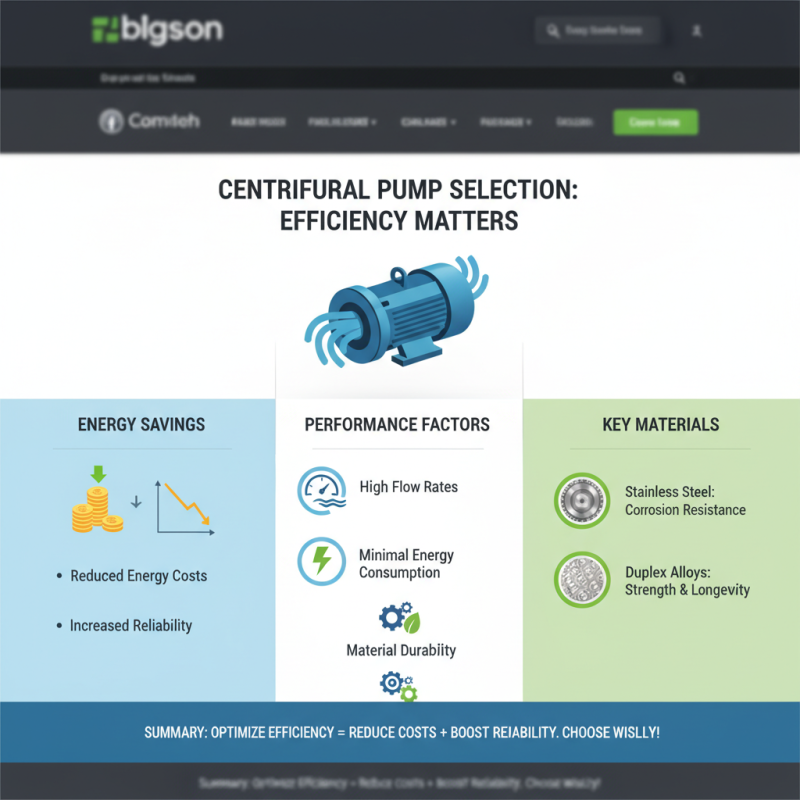
When selecting a centrifugal pump, efficiency is key. These pumps play a critical role in fluid transfer across various industries. A well-designed centrifugal pump can reduce energy costs while increasing reliability. Look for pumps with high flow rates and minimal energy consumption. Consider the materials used; they greatly impact performance.
Efficiency also relates to the pump's design. Some designs are better suited for specific applications. Impeller size and shape can affect the flow rate significantly. A slight deviation in design could lead to inefficiencies. Regular maintenance is crucial, as buildup or wear can reduce performance.
Finding the right pump isn't always straightforward. There are many factors to consider. Sometimes users overlook the importance of compatibility with their systems. It’s essential to match the pump to the fluid properties. Understanding viscosity and temperature behavior is vital for optimal performance. A pump that works well will save time and money in the long run.
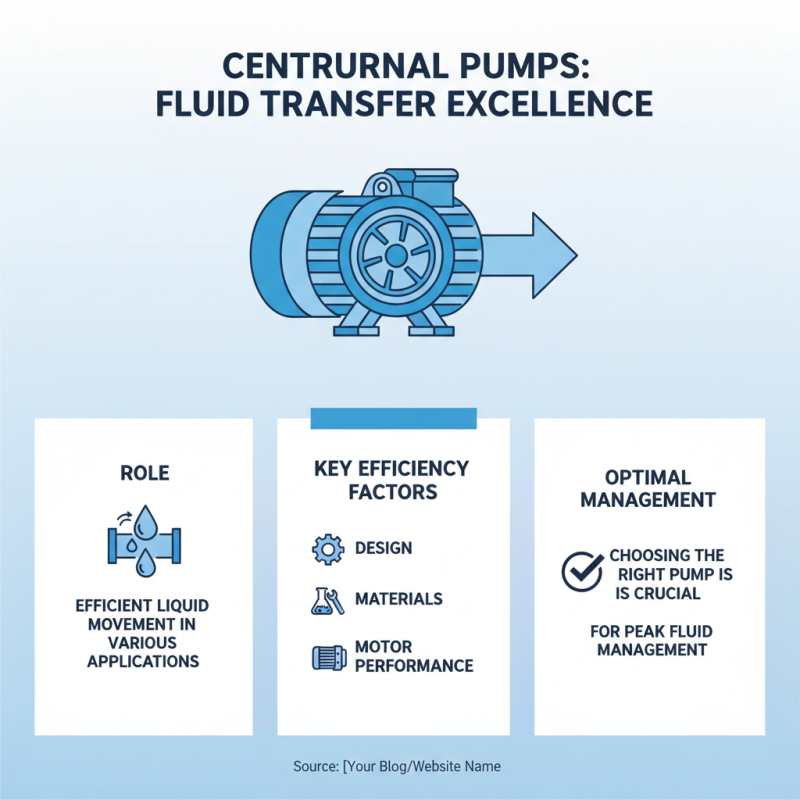
In the world of fluid transfer, centrifugal pumps play a vital role. They help in moving liquids effectively in various applications. Many factors contribute to the efficiency of these pumps, including design, materials, and motor performance. Choosing the right pump is essential for optimal fluid management.
While several brands dominate the market, each offers unique features. Some pumps excel in energy efficiency, while others boast durability. Certain models might be quieter during operations, a key consideration for many users. It's not uncommon to find expensive pumps that fail to deliver as promised. Therefore, analyzing specifications is crucial before making a choice.
Efficiency also depends on maintenance routines. Regular checks can prevent performance issues. Users often overlook this, leading to costly repairs. The performance may vary based on installation conditions as well. For instance, improper alignment can reduce efficiency significantly. Being aware of these nuances can lead to better choices in the long run.
Centrifugal pumps are essential for fluid transfer in many industries. To ensure these pumps last longer, regular maintenance is crucial. A well-maintained pump operates more efficiently and reduces unexpected breakdowns.
Checking seals and gaskets frequently is vital. Worn-out seals can lead to leaks. Inspecting the impeller for wear helps maintain performance. If the impeller shows significant wear, it’s time for a replacement. Keep an eye on vibration levels too. Excessive vibration can indicate misalignment or imbalance. Addressing these issues early can save time and money.
Cleaning the pump and its components is also important. Dust and debris can compromise performance. Regularly flush the system to remove any blockages. Pay attention to the motor and ensure it's free from overheating. Overheated motors reduce efficiency. By practicing these tips, you can improve the longevity and reliability of your centrifugal pump.
This chart presents the efficiency ratings of the top 10 centrifugal pumps based on their performance in fluid transfer applications. The ratings are derived from user reviews and expert assessments, focusing on various operational parameters including flow rate, pressure, and energy consumption.