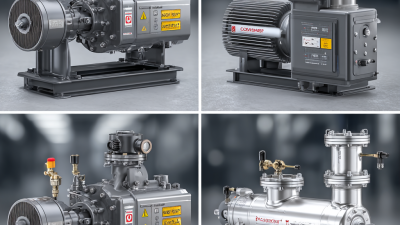
Sealless Pumps for a Safer and Greener World

Choosing among the 10 best chemical pumps for industrial applications requires more than comparing flow rates and prices. Chemical pumps must handle corrosive fluids, abrasive particles, toxic vapors, and changing temperatures. A pump that performs well with diluted acid may fail quickly with concentrated chemicals. Material selection matters. So does seal design.
Dr. Lev Nelik, a recognized pump engineer and author, offers a useful reminder: “A pump is not an island; it is part of a system.” That principle guides this selection. Each recommended model should match the fluid’s viscosity, pressure, temperature, and chemical compatibility. Operators should also examine maintenance access, energy use, leak prevention, and spare-part availability. Small details matter. A worn elastomer can stop a production line.
Real industrial experience adds another layer. Magnetic-drive pumps can reduce leakage risks, while diaphragm pumps often manage dosing and unstable flow effectively. Centrifugal designs may suit high-volume transfer, but they are not ideal for every chemical. This guide compares practical strengths and limitations, rather than presenting one universal winner. That would be misleading.
Some recommendations may change after testing. Laboratory data cannot fully reproduce pipe vibration, operator habits, or seasonal temperature shifts. Therefore, readers should verify manufacturer curves and chemical-resistance charts before purchasing. The right chemical pumps protect equipment, workers, product quality, and operating budgets. Performance is important. Reliability is the real test.
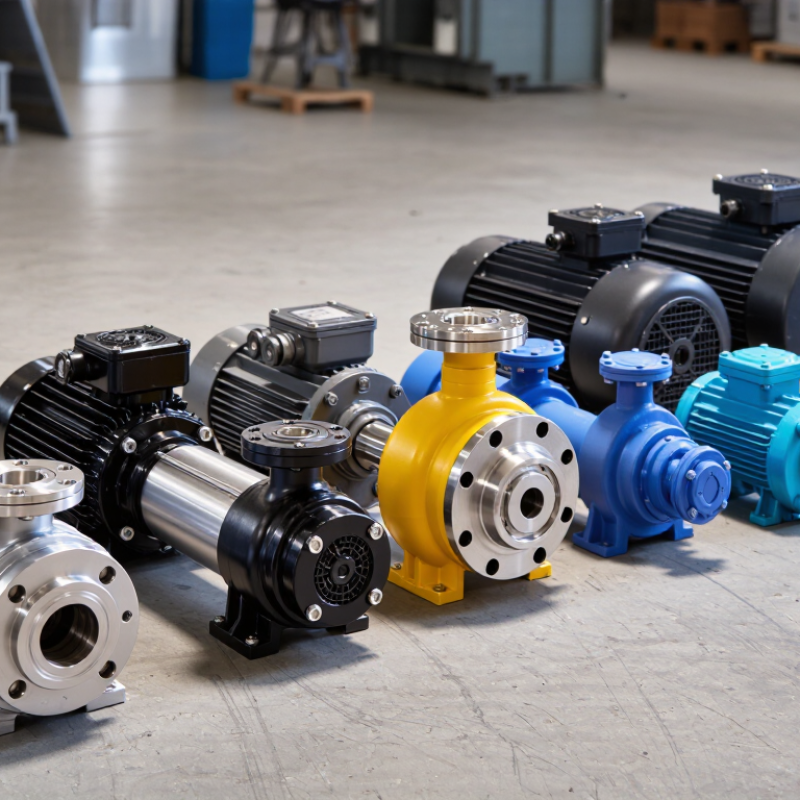
Chemical pumps transfer corrosive, toxic, or reactive fluids through industrial systems. Their role extends beyond simple liquid movement. They help maintain steady flow, accurate dosing, pressure control, and safe separation between workers and chemicals.
Common designs include centrifugal, diaphragm, magnetic-drive, peristaltic, and gear pumps. Each design suits different operating conditions. A centrifugal pump handles continuous flow well. A diaphragm pump manages viscous fluids and variable pressures. Magnetic-drive models reduce leakage risks because they avoid a traditional shaft seal. Peristaltic pumps can protect sensitive fluids from contamination. The best chemical pump depends on viscosity, temperature, pressure, flow rate, and chemical compatibility.
Material selection requires careful attention. Engineers often compare the fluid with plastics, alloys, elastomers, and ceramic components. A pump may perform well during testing but fail after months of heat exposure. I have seen maintenance teams focus on flow capacity while overlooking seal swelling. That mistake can stop an entire production line. No selection is perfect.
Operators should also inspect vibration, noise, leakage, and changing discharge pressure. These details often reveal wear before failure occurs. Proper calibration supports reliable dosing. Secondary containment adds another practical safeguard. Still, operating records can be incomplete, especially during shift changes. Reviewing real service data remains essential before choosing among the ten best chemical pumps for industrial applications.
10 Best Chemical Pumps for Industrial Applications?
Key Selection Criteria for Different Chemical Handling Requirements
The best chemical pump depends on the fluid, process conditions, and consequences of leakage. In plant commissioning, I check compatibility before comparing pump styles. Acids, solvents, slurries, and oxidizers can require completely different designs.
Magnetic-drive centrifugal pumps suit clean, low-viscosity liquids and reduce shaft-seal leakage. Canned-motor pumps offer similar containment for demanding duties. Air-operated double-diaphragm pumps handle variable flow and suspended solids effectively. Peristaltic pumps protect sensitive fluids through gentle, enclosed transfer. Gear pumps provide steady movement for viscous chemicals, while progressive-cavity pumps manage thicker mixtures. Metering pumps deliver controlled doses. Piston pumps create high pressure. Vertical sump pumps serve tanks and pits. Sealless diaphragm pumps can support precise, low-leakage dosing.
Material selection needs careful attention. Fluoropolymers resist many aggressive chemicals, but temperature can change their performance. Stainless steel handles numerous services, yet chloride exposure may cause problems. Elastomer choice matters too. A seal that looks suitable on paper may swell after several hours.
Flow rate and pressure should include realistic operating margins. Do not size only for normal conditions. Consider viscosity changes, crystallization, vapor pressure, and dry-running risk. I once underestimated startup viscosity, and the selected pump struggled badly. That mistake reinforced a practical rule: test the actual chemical whenever possible. Review containment, maintenance access, motor protection, and applicable safety requirements with qualified engineers before installation.
Chemical pumps must match the fluid, pressure, temperature, and operating rhythm of each industrial process.
Centrifugal pumps suit large, continuous flows of low-viscosity liquids. They are common in water treatment, chemical transfer, and circulation systems. However, they may struggle with thick fluids or changing flow conditions.
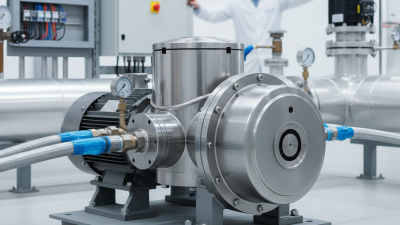
Magnetic-drive pumps provide sealed operation without a conventional shaft seal. This design can reduce leakage risks when handling corrosive acids, solvents, or toxic process liquids.
Diaphragm pumps offer accurate dosing and tolerate suspended solids. Their pulsating flow may require a dampener.
Peristaltic pumps protect the fluid from internal contamination because the liquid contacts only the hose. They work well for shear-sensitive chemicals and abrasive slurries.
Progressive cavity pumps handle viscous materials steadily, but stator wear deserves close attention.
Material compatibility is not optional. Engineers should check chemical concentration, temperature, seal construction, and wetted components before approval. A pump rated for a mild solution may fail quickly with a concentrated mixture.
In plant evaluations, suction conditions are often underestimated. Poor NPSH margins can create noise, vibration, and cavitation.
No pump is perfect. Selection can still go wrong when energy use, maintenance access, or emergency containment is ignored. Trial testing with the actual fluid often reveals practical problems that a datasheet cannot show.
Choosing among the ten best chemical pumps requires more than comparing flow rates. Magnetic-drive centrifugal pumps suit clean, low-viscosity liquids, while diaphragm pumps handle solids and irregular dosing. Peristaltic pumps protect sensitive fluids through gentle tube compression. Gear, piston, and plunger pumps deliver accurate pressure, but their clearances demand careful filtration. Progressive cavity pumps manage thicker liquids. Air-operated double-diaphragm pumps tolerate variable conditions, while canned-motor and vertical sump pumps suit enclosed or tank-based systems.
Material compatibility comes first. PTFE, PVDF, PFA, stainless steel, and specialized alloys resist different chemicals and temperatures. A strong casing cannot compensate for a weak seal. Check concentration, temperature, vapor pressure, abrasion, and cleaning chemicals before choosing wetted parts. I have found that real process data often differs from the original specification. That mistake can shorten service life quickly.
Performance also depends on the operating point, not maximum catalog capacity. Select a pump near its efficient range and confirm suction conditions. Safety features should include leak detection, containment, grounding, pressure relief, and guarded couplings. Maintenance needs are equally practical. Inspect diaphragms, hoses, seals, bearings, and valves on a documented schedule. Keep spare wear parts available. Small leaks matter. They often signal larger compatibility or alignment problems. Even experienced teams sometimes overlook vibration after installation, so record baseline readings and review them after the first operating week.
10 Best Chemical Pumps for Industrial Applications?
Matching Each Pump Type to Common Industrial Uses
Chemical service demands more than flow capacity. The fluid’s concentration, temperature, viscosity, and solids content can change the correct pump choice. A magnetic-drive centrifugal pump suits clean, low-viscosity acids and solvents because it removes shaft-seal leakage points. Diaphragm metering pumps deliver precise doses for water treatment, pH control, and disinfectant injection. Air-operated double-diaphragm pumps handle corrosive liquids, slurries, and temporary transfer duties. They tolerate difficult suction conditions.
Peristaltic pumps work well with abrasive slurries, pigments, and shear-sensitive fluids. The fluid touches only the hose. Gear pumps provide steady flow for viscous oils, polymers, and resins, but hard particles can damage their clearances. Progressive cavity pumps move thick, solids-bearing materials through sludge handling and chemical blending systems. Piston and plunger pumps generate high pressure for injection, cleaning, and process testing. They need careful pulsation control.
Twin-screw pumps can transfer viscous chemicals gently while accepting moderate solids. Vertical turbine pumps fit deep tanks, sumps, and vessels where floor space is limited. A canned-motor pump may suit sealed systems containing volatile or toxic fluids, though maintenance planning becomes more specialized. The best selection still depends on the whole installation. Pipe length, valve arrangement, dry-run risk, and seal compatibility matter. A pump that performs well in a laboratory may struggle beside a hot reactor. That assumption deserves checking. Engineers should confirm materials, pressure limits, control method, and actual operating data before approval. Small changes in concentration can alter viscosity sharply.