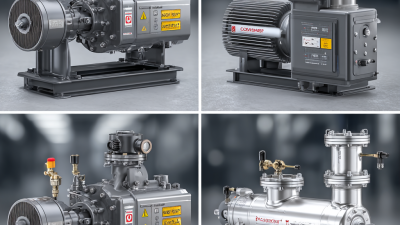
Sealless Pumps for a Safer and Greener World

Choosing the right chemical pumps is crucial for efficient operations in various industries. Dr. Emily Carter, a leading expert in pump technology, notes, "Selecting the appropriate pump can significantly enhance process efficiency." This statement highlights the potential impact of making informed decisions.
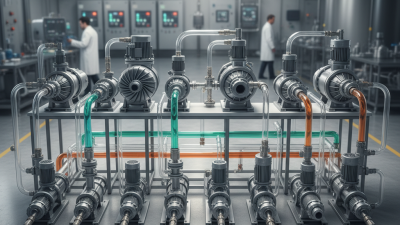
Chemical pumps come in various types, including centrifugal, diaphragm, and peristaltic pumps. Each type serves specific applications and purposes. For example, centrifugal pumps are known for their efficiency in moving large volumes of fluid, while diaphragm pumps excel in handling viscous materials. Understanding the unique characteristics of each type is essential for selecting the right pump.
Making the right choice can be challenging. Factors such as viscosity, temperature, and chemical compatibility must be considered. Additionally, there are many brands and models available. It can become overwhelming. Reflecting on specific needs will lead to the best outcome. Choosing chemical pumps wisely not only boosts productivity but also improves safety and reduces maintenance costs.
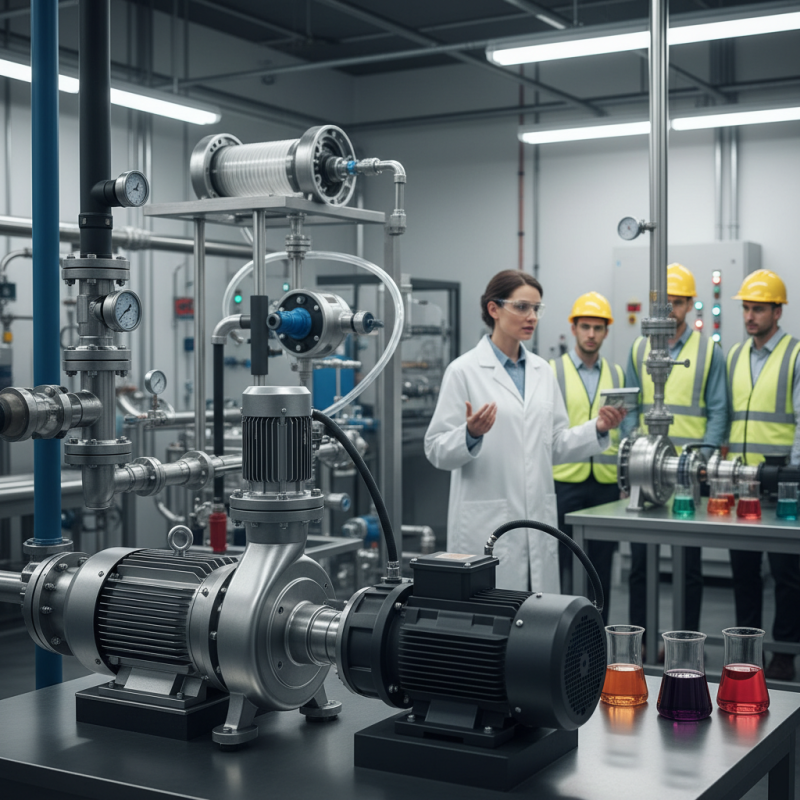
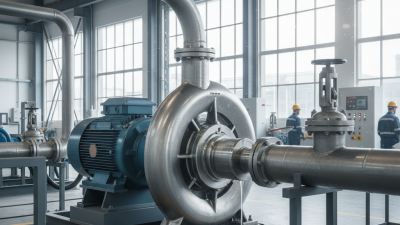
When selecting a chemical pump, understanding the types available is crucial. Centrifugal pumps are widely used for moving fluids quickly and efficiently. These pumps excel in applications with low viscosity fluids. However, they may struggle with viscous or abrasive fluids.
Positive displacement pumps, on the other hand, can handle thicker liquids effectively. They provide a steady flow, which is vital in many industries.
Diaphragm pumps offer a unique advantage. They are excellent for handling corrosive and hazardous chemicals. Their design reduces the risk of leaks. However, they might not be suitable for all applications due to their lower flow rates.
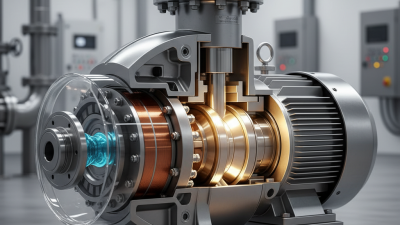
Magnetic drive pumps are also worth considering. They minimize the risk of leakage, making them ideal for sensitive environments. This option requires careful consideration of the fluid's characteristics.
Additionally, when choosing a pump, take operational factors into account. Consider temperature, pressure, and chemical compatibility. Even minor details can significantly impact performance. It’s essential to evaluate the specific requirements of your application. Some pumps may seem ideal on paper, but real-world performance can vary. Always seek expert advice for best results.
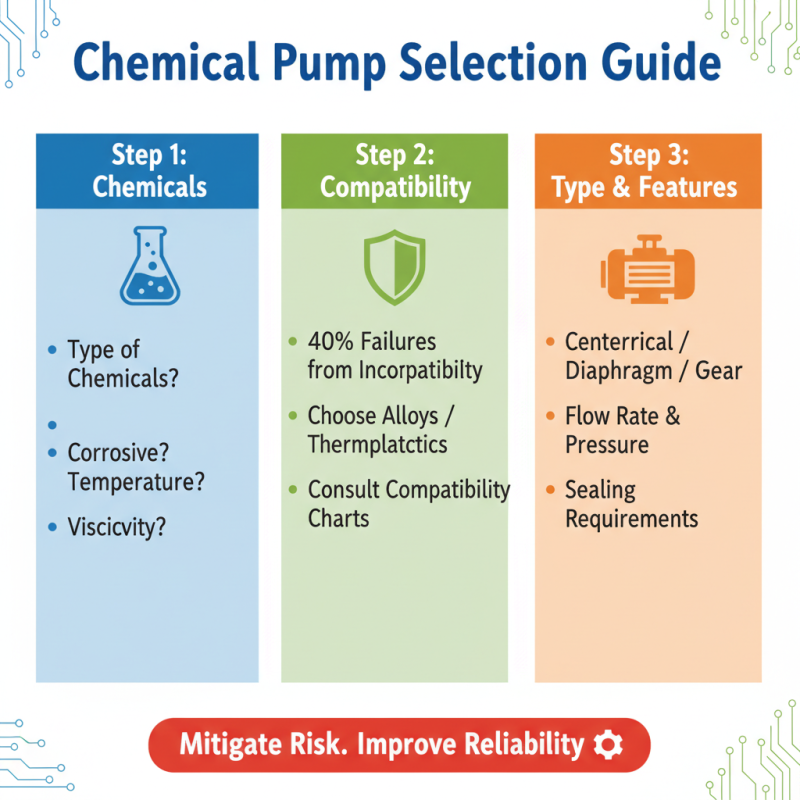
Choosing the right chemical pump requires a clear understanding of your specific needs and applications. Start by assessing the type of chemicals you'll handle. Corrosive materials may require pumps made from specific alloys or thermoplastics. Industry reports show that 40% of pump failures are due to material incompatibility. Choosing pumps with appropriate materials can mitigate this risk significantly.
Next, consider the flow rate and pressure requirements. Different applications have distinct demands. For instance, some processes may require high pressure but low flow, while others need the opposite. An industry survey indicated that nearly 30% of users experience inefficiencies due to incorrect pump selection. This inefficiency often leads to increased operational costs. Mapping out your exact requirements can prevent overspending on unnecessary capabilities.
Moreover, evaluate the pump's environmental conditions. Factors such as temperature variations and potential exposure to contaminants can affect performance. Research highlighted that 25% of pump maintenance issues are tied to adverse environmental factors. This suggests the importance of selecting a pump designed for specific environmental challenges. It's essential to reflect on past experiences and continuously assess how improvements can enhance your operational efficiency.
When selecting chemical pumps, material compatibility is vital. Different chemicals can react unpredictably with various pump materials, leading to equipment failure or contamination. According to a report from the Chemical Engineering Journal, over 30% of pump failures are attributed to incompatible materials. This statistic shows the importance of careful evaluation when choosing pump materials.
When assessing material compatibility, consider chemical properties such as pH, temperature, and concentration. Standard plastics may hold up against low-corrosive fluids, but harsh acids require specialized materials like PTFE or titanium. A common oversight is underestimating the chemical's impact on elastomers, which can wear out unexpectedly. Regular testing can help mitigate this risk.
Tips: Always consult compatibility charts. These resources list materials suitable for specific chemicals. Additionally, consider not only the current fluid but also any future changes. Flexibility in your choices can save you time and resources. No approach is perfect. Continuous evaluation and adjustments are necessary for maintaining reliable operations.
Selecting the right chemical pump involves a keen understanding of
flow rate and pressure requirements.
These two factors are crucial to ensure efficiency. Flow rate determines how much liquid the pump will move.
It's measured in gallons per minute or liters per hour. Understanding the necessary flow rate helps to avoid underperformance or excess.
You don't want your pump to struggle, which can lead to premature failure.
Pressure requirements are equally important.
Different applications demand varying pressure levels. Whether it's low pressure for gentle fluid transfer or high pressure for delivering thick liquids,
the pump must match these needs. An incorrectly matched pump may cause leaks or
system damage. Consider using pressure gauges in your setup to monitor performance continuously.
When evaluating flow rate and pressure, reflect on the environment. How abrasive are the fluids?
Will temperature affect the components? Often, the specifics of your application can lead to oversight.
Fooling yourself into thinking “one-size-fits-all”
can lead to costly mistakes. Take time to investigate and discuss your needs with experts or your team.
Your pump’s performance greatly depends on these foundational choices.
Choosing the right chemical pumps involves careful consideration of maintenance and reliability factors. High-quality pumps require less frequent servicing, which can significantly reduce operational downtime. Maintenance plays a vital role in the longevity of pumps. Regular inspections and timely repairs can prevent unexpected failures and costly replacements.
Tips for maintenance: