Sealless Pumps for a Safer and Greener World

Choosing the right cryogenic pump for your application is crucial. In various industries, these pumps play a vital role in handling cryogenic fluids. Selecting the wrong type can lead to inefficiencies and increased costs.
There are many types of cryogenic pumps available. Each one has specific characteristics and capabilities. You may feel overwhelmed by the options. However, understanding your needs makes this process easier.
Consider factors like pressure range and fluid type. Different applications require different specifications. Be mindful of the pump's material compatibility too. Sometimes, the perfect pump may not exist. Reflecting on these details can save time and resources in the long run.
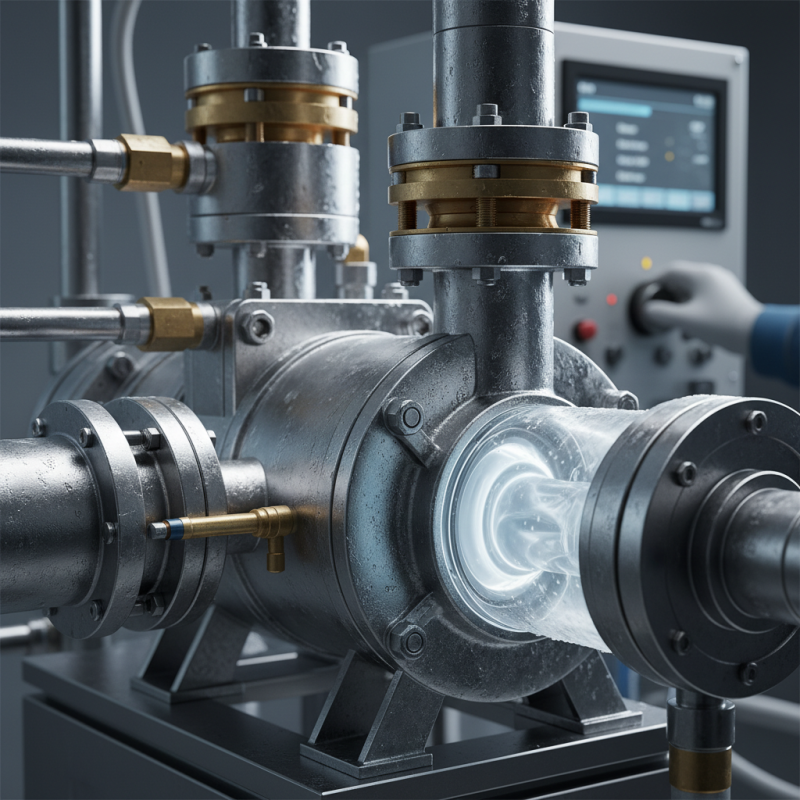
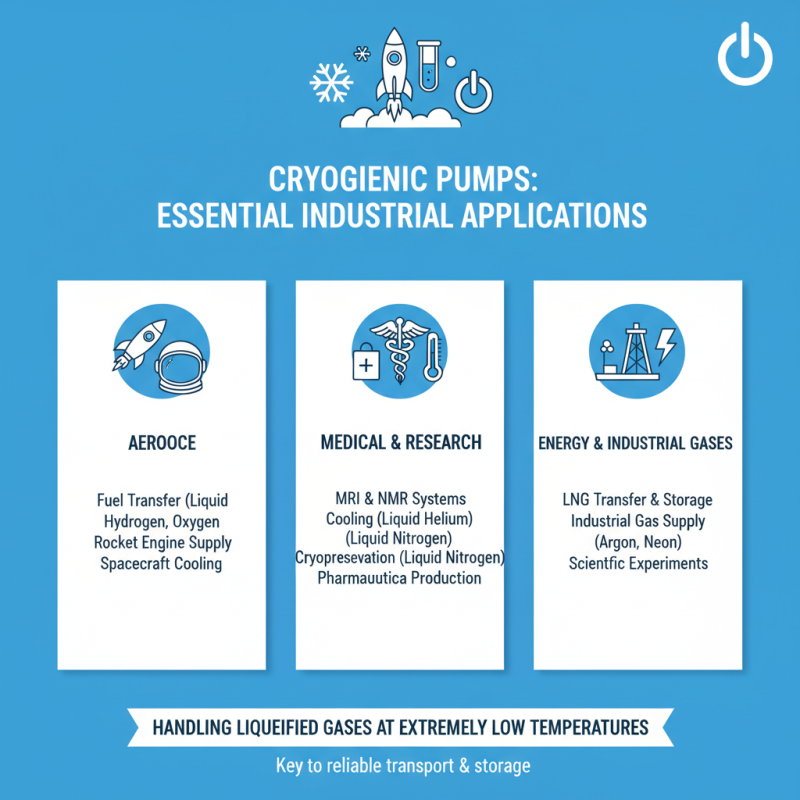
Cryogenic pumps play a crucial role in various industries, including aerospace, medical, and energy. These pumps are designed to handle liquefied gases at extremely low temperatures. They are essential for processes that require the transportation and storage of these gases. For instance, liquid nitrogen and liquid helium applications demand reliable cryogenic pumping systems due to their unique properties and requirements.
According to industry reports, the global cryogenic pump market was valued at approximately $900 million in 2020 and is expected to grow steadily. The increasing demand for liquefied natural gas (LNG) and the expanding semiconductor industry significantly contribute to this growth. However, selecting the right pump can be challenging. Many factors, such as flow rate, pressure, and specific application requirements, must be carefully considered.
It is also important to address performance challenges. Some pumps may struggle with efficiency at lower temperatures. Sizing and material selection can also lead to issues. A common error is overlooking compatibility with the intended gas. This can cause performance degradation and potential failure. A thorough understanding of the application and its unique needs will ensure the right cryogenic pump is chosen, ultimately improving operational efficiency.
When selecting a cryogenic pump, several key factors must be taken into consideration. First, the application type significantly influences the pump's design. For instance, a pump used in semiconductor manufacturing requires high purity. In contrast, pumps for liquefied natural gas might prioritize flow rates. According to a 2022 industry report, nearly 70% of cryogenic pump failures are linked to improper application matching.
Another critical factor is the operating temperature. Cryogenic pumps handle temperatures as low as -196°C. However, not all pumps perform efficiently at such extremes. A pump's materials must withstand these conditions without degrading. Research indicates that 30% of cryogenic systems face issues due to material incompatibility. Additionally, maintenance requirements should not be overlooked. Some designs are easier to service than others.
Energy efficiency is essential as well. The cryogenic pump's energy consumption impacts the overall operational cost. A well-chosen pump can reduce energy costs by up to 25%. However, achieving this balance often requires thorough research and product comparison. Users sometimes overlook these factors in favor of initial purchase price. It's crucial to address these aspects thoughtfully to avoid potential operational inefficiencies.
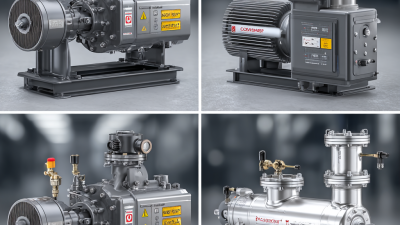
When selecting a cryogenic pump, understanding the types available is crucial. There are various categories, including centrifugal, positive displacement, and rotary pumps. Each type serves distinct applications, influencing efficiency and flow rates. Centrifugal pumps are ideal for high-flow situations. They can handle large volumes of liquid with ease. However, they may struggle with low-flow rates.
Positive displacement pumps offer a different approach. They excel in handling low flow rates and provide consistent pressure. This feature is often essential in laboratory settings. Rotary pumps, on the other hand, have a unique design. They work well in continuous operations but can be sensitive to debris. Over time, debris can affect their performance.
Consideration of the liquefied gases is important. Helium, nitrogen, or argon have different requirements. Some pumps are better suited for specific gases, impacting efficiency. Understanding these nuances can be challenging. Many users overlook these details, leading to inefficient operations. Therefore, it's crucial to evaluate your specific needs accurately. Selecting the right type will affect not just performance, but also cost efficiency.
| Type of Cryogenic Pump | Working Principle | Typical Applications | Advantages | Limitations |
|---|---|---|---|---|
| Rotary Vane Pump | Uses rotating vanes to create a vacuum. | Gas liquefaction, cryogenic research. | High durability, good vacuum level. | Limited flow rate, maintenance required. |
| Helium Cryopump | Operates by condensing gases at very low temperatures. | Semiconductor manufacturing, particle accelerators. | Excellent performance at ultra-low temperatures. | Requires helium supply, complex technology. |
| Piston Pump | Uses a piston to move gas and establish a vacuum. | Cryogenic storage, vacuum insulated systems. | High efficiency, good for large volumes. | Can be noisy, maintenance on piston seals. |
| Turbo Molecular Pump | Utilizes high-speed rotor blades to direct gas molecules. | High vacuum applications, laboratories. | Very high vacuum levels, compact size. | Fragile, requires a backing pump. |
Choosing the right cryogenic pump starts with understanding performance specifications. Consider the temperature range your application requires. Different pumps operate effectively at specific temperatures. If your process involves extreme cold, ensure the pump can handle it without failure.
Next, assess the required flow rate for your application. Calculate how much fluid you need per hour or minute. Insufficient flow can lead to inefficiencies. Too much flow can introduce turbulence, affecting performance. Balance is key. Look into maximum allowable operating pressures as well. This detail is often overlooked. Operating beyond limits can harm equipment and lead to costly repairs.
Another critical factor is the pump's compatibility with various fluids. Different materials may affect performance. Not all pumps resist corrosion or wear equally. It can be easy to assume all pumps perform the same, but that’s rarely true. Also, consider maintenance requirements. Some pumps need regular service, while others are more robust. Noticing these aspects can save time and money in the long run.
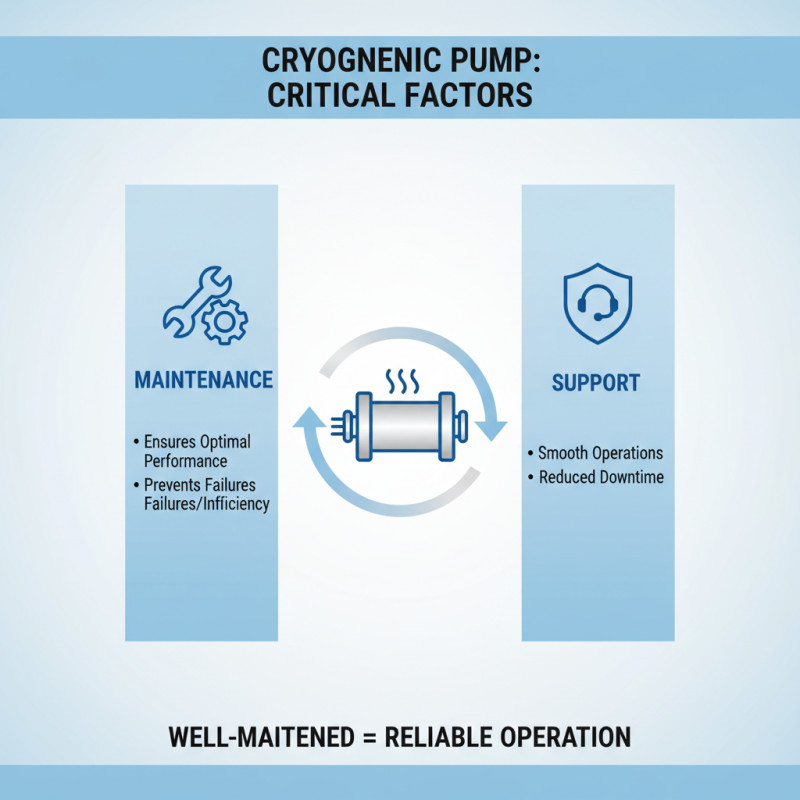
When selecting a cryogenic pump, maintenance and support are critical factors. Regular maintenance ensures optimal performance. Neglecting these can lead to inefficient operations or failures. A well-maintained pump operates smoothly, reducing unexpected downtime.
Consider the complexity of your system. Some cryogenic pumps require extensive service routines. Others are simpler and easier to maintain. It’s essential to evaluate your team’s skill set. Can they perform the needed maintenance? If not, you may face higher service costs.
Support is also vital. Access to technical assistance can save time. Understand the availability of resources when a problem arises. Having a reliable support system helps in troubleshooting issues quickly. It's worth investigating the response times of service teams. A fast response can minimize interruptions in your operations. Balancing maintenance frequency with operational demands is complex. Choose wisely to avoid future headaches.