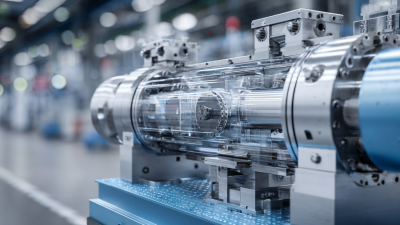
Sealless Pumps for a Safer and Greener World

Choosing the right high pressure pump is crucial for various applications. In the industrial sector, the high pressure pump market is expected to reach $8.3 billion by 2027, according to a recent report by MarketsandMarkets. This growth indicates the increasing reliance on effective pumping solutions across multiple industries including agriculture, manufacturing, and oil and gas.
With many pump types available, understanding your specific needs is essential. High pressure pumps are designed for tasks like transferring water, chemicals, and slurries. Misjudging your pump requirements can lead to inefficiencies and increased operational costs. A study by Technavio highlights that selecting the wrong pump can cause up to 30% energy waste in operations.
Many users overlook critical factors when choosing a high pressure pump. These include flow rate, pressure range, and the nature of the fluids being pumped. Adequate knowledge about these aspects is vital. Users must ask the right questions and reflect on their operational requirements before making a purchase. As this industry evolves, staying informed is not just beneficial; it is necessary.
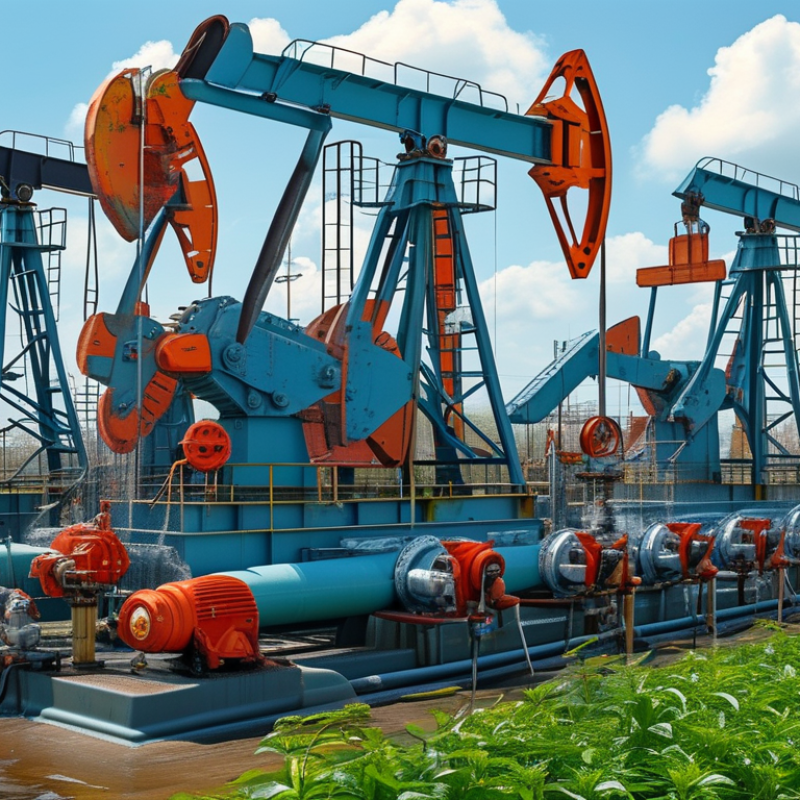
High pressure pumps come in various types, each suited for specific applications. These pumps are essential in industries such as construction, manufacturing, and agriculture. Understanding the different types helps in making the right choice. Common types include diaphragm pumps, piston pumps, and rotary pumps. Each type offers unique benefits and limitations.
Diaphragm pumps are versatile. They handle corrosive and viscous fluids. Yet, they may struggle with high flow rates. Piston pumps deliver high pressure and precision. However, they require regular maintenance. Rotary pumps operate smoothly, but might not handle solid particles well. Understanding the particular needs of your project will guide your selection.
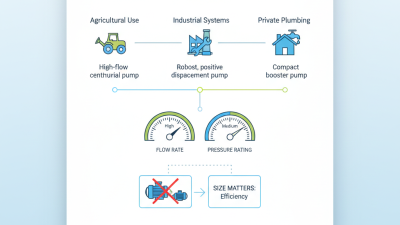
Applications for high pressure pumps vary widely. In cleaning, they excel in removing tough stains. In agriculture, they assist with irrigation and pesticide application. Certain industries might need pumps for material transport. Choosing the wrong type could lead to inefficiencies or even damage. Reflecting on the specific requirements is vital for a successful outcome.
When selecting a high-pressure pump, understanding key specifications is crucial. Start by examining the flow rate. This measures how much water a pump can move, typically expressed in liters per minute (LPM) or gallons per minute (GPM). Depending on your needs, you may require a higher flow rate for large tasks, such as heavy cleaning. For smaller jobs, a lower flow rate could suffice.
Pressure rating is another vital factor. It's usually measured in psi (pounds per square inch). The higher the psi, the more forceful the water stream. For instance, tasks like car washing might require around 1500 psi, while industrial applications may need upwards of 3000 psi. Evaluate your specific requirements carefully.
Also consider the material of the pump. Many pumps use plastic, stainless steel, or brass. Plastic models are lightweight and corrosion-resistant, whereas stainless options are durable for demanding environments. Reflect on your working conditions. What challenges might the pump face? A pump’s durability should align with these conditions to ensure reliability over time.
When selecting a high pressure pump, understanding flow rate and pressure requirements is crucial. Flow rate, measured in gallons per minute (GPM), indicates how much liquid the pump can move. A report from the Hydraulic Institute indicates that many industrial applications require flow rates between 30 GPM to 150 GPM. Projects like firefighting or irrigation often have specific flow requirements based on the intended use. Balancing these factors ensures efficiency and effectiveness in your operations.
Pressure is equally important. It is typically measured in pounds per square inch (PSI). Depending on your application, the typical pressure range can vary widely. For example, car washes may operate at around 1,500 PSI, while cleaning heavy machinery might require 4,000 PSI or more. Knowing these details helps you evaluate the right pump for the job.
Tip: Always calculate your total dynamic head (TDH). This figure represents the total pressure needed to overcome system resistance. Miscalculating TDH can lead to inefficient pump performance.
Consider your project's unique demands. An underpowered pump may fail to meet requirements, while an oversized pump can lead to unnecessary waste. Regularly reviewing and adjusting your specifications can help optimize performance and longevity.
When selecting a high-pressure pump, maintenance and longevity are critical factors. Regular servicing ensures that your pump operates efficiently. Reports indicate that a well-maintained pump can last over 15 years. Neglecting maintenance may reduce its lifespan significantly, sometimes by half. Dirt, leaks, and excessive wear can lead to failures.
Choosing the right materials for your pump can also impact longevity. Pumps made from corrosion-resistant alloys tend to last longer in harsh environments. Data shows that operators using stainless steel pumps experience 30% fewer failures compared to those using standard metals. Proper pressure settings and flow rates can prevent undue stress on the pump components.
Listening to user feedback reveals areas for improvement. Users often report an underestimation of maintenance requirements, leading to premature pump failures. Service intervals should be realistic and tailored to specific operational conditions. Regular training for staff can enhance maintenance practices. The right pump for your needs should provide reliability without compromising future operational costs.
Choosing the right high-pressure pump involves understanding both initial investment and ongoing costs. A well-researched decision can save significant capital over years. According to industry reports, operational costs often surpass the upfront price. Maintenance, energy usage, and downtime are critical factors to consider.
Energy efficiency ratings provide essential insights. A pump that consumes 10% less energy may have a higher upfront cost. However, it could lead to savings of 20% in operating expenses over a decade. Reports indicate that a typical pump can last 10-15 years with proper care. The total cost of ownership can reveal a more accurate picture of its financial impact.
It's vital to evaluate your unique requirements. The ideal pump choice varies widely based on application. High-pressure pumps used in construction, for instance, may have different needs than those in agriculture. What works in one scenario could be inefficient in another. Evaluating these differences requires a deep understanding of operational contexts.