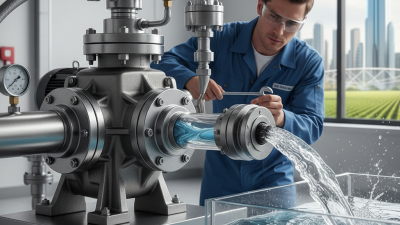
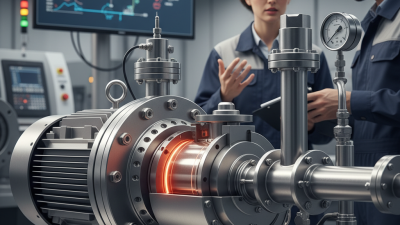
Sealless Pumps for a Safer and Greener World

Selecting the right high temperature pump is crucial for various industrial applications. These pumps handle fluids at elevated temperatures, which can be challenging. Understanding your specific requirements is essential to making the right choice.
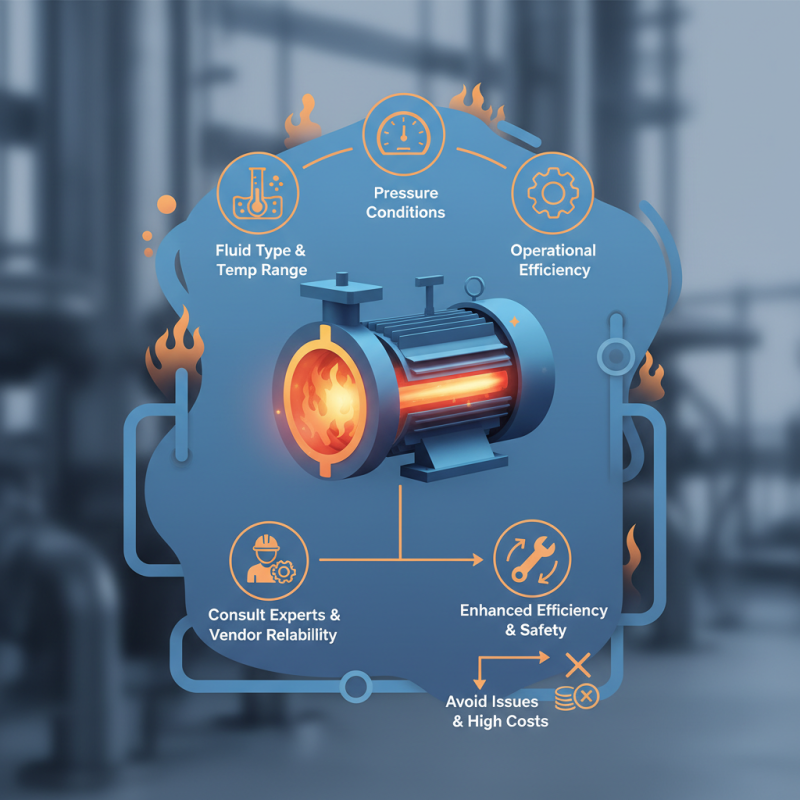
High temperature pumps come in various designs and materials. Each has unique advantages and drawbacks. Factors such as fluid type, temperature range, and pressure conditions must be considered. A well-chosen pump enhances efficiency and safety in processes involving hot fluids. However, misjudging these factors can lead to operational issues and increased costs.
To navigate your options, consult with industry experts. Their experience can guide you toward the best high temperature pump for your needs. It's important to assess the qualifications of vendors. Reliability in performance is non-negotiable when dealing with high temperatures.
High temperature pumps are essential for various industrial applications. These pumps handle fluids at elevated temperatures, ensuring efficient operation. Understanding their features and capabilities can help you make informed decisions.
When selecting a high temperature pump, consider the type of fluid you will be pumping. The pump must resist corrosion and thermal degradation. Not all materials withstand high temperatures equally. Common materials include stainless steel and special alloys. They offer durability under extreme conditions.
**Tips:** Always verify the pump's temperature rating. It should exceed the maximum fluid temperature. Also, check the pump's flow rate and pressure capabilities. These factors significantly influence performance.
In addition, keep in mind the installation environment. Factors like vibration and space limitations can impact pump efficiency. A poorly positioned pump can lead to maintenance challenges. Avoiding these pitfalls is crucial for long-term reliability.
| Pump Type | Max Temperature (°C) | Flow Rate (L/min) | Pressure Rating (bar) | Material |
|---|---|---|---|---|
| Centrifugal Pump | 160 | 25 | 10 | Stainless Steel |
| Gear Pump | 200 | 15 | 20 | Titanium |
| Diaphragm Pump | 150 | 10 | 5 | Polypropylene |
| Peristaltic Pump | 120 | 30 | 3 | Silicone |
| Magnetic Drive Pump | 180 | 40 | 15 | PTFE |
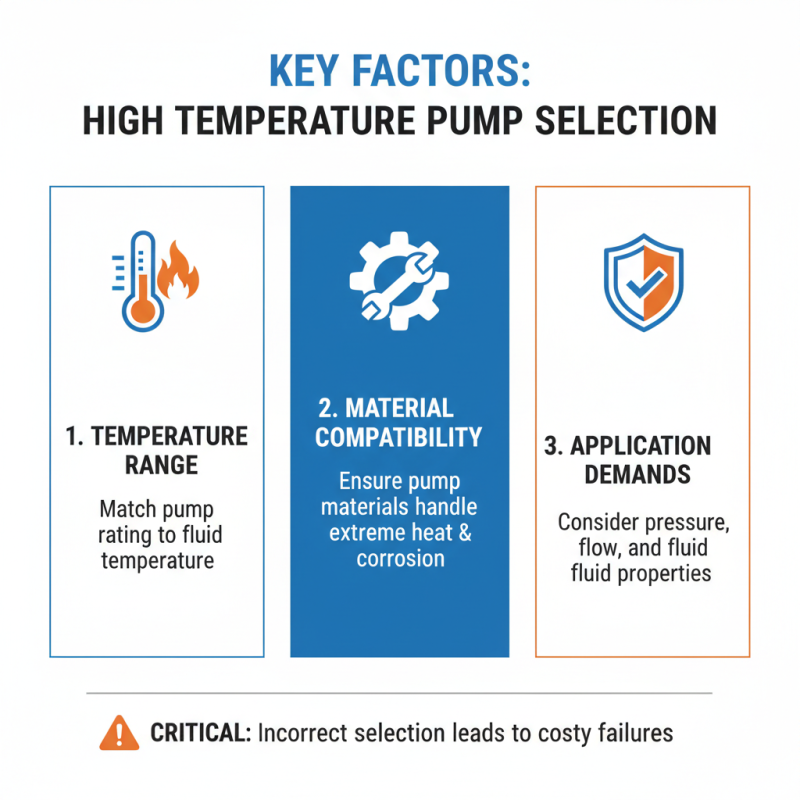
Selecting the right high temperature pump is critical for efficiency and safety. Knowing the specific temperature range is essential. Many pumps are rated for temperatures up to 200 degrees Celsius. However, some applications require pumps that can handle temperatures exceeding 300 degrees Celsius. Looking at industry reports, incorrect temperature ratings can result in pump failure, leading to costly downtimes.
Flow rate is another key factor. It determines how much fluid can be moved within a specific timeframe. For instance, a pump with a flow rate of 50 gallons per minute is common in industrial systems. Ensuring the chosen pump meets the required flow rate is vital. An inadequate flow can impact processes, leading to inefficiencies. Studies indicate that over 30% of industrial operations suffer from flow-related issues.
Materials of construction deserve attention too. High temperature pumps must resist corrosion and wear. Materials like stainless steel or specialized alloys perform well under extreme conditions. However, improper material selection can lead to premature failures. Regular maintenance is equally important. Many pumps require routine inspections to ensure longevity. Lack of such practices may result in unexpected breakdowns, costing time and resources.
High temperature pumps are vital in various industries, handling fluids at elevated temperatures. Common types include magnetically driven pumps, gear pumps, and diaphragm pumps. Each type has its own set of advantages, making it crucial to choose according to your application.
Magnetic drive pumps are ideal for corrosive, high-temperature fluids. They are leak-proof, enhancing safety and reliability. However, they might not suit all fluid viscosities. Gear pumps are excellent for transferring heavy fluids. They offer high flow rates but can face challenges with thermal expansion. Diaphragm pumps excel in handling slurries and viscous materials but may require regular maintenance.
Assessing the operational conditions is paramount. Know the viscosity and chemical characteristics of the fluid. Always consider how the pump materials interact with the fluid. Sometimes, trial and error is part of the selection process. Recognizing these nuances can lead to better decision-making.
When selecting a high temperature pump, evaluating materials and construction is crucial. The pump's material should withstand high heat without degrading. Common materials include stainless steel and specialized alloys. These materials offer durability and resist corrosion, especially in harsh environments. Always consider the operating temperature and the type of fluid being pumped.
The construction of the pump impacts its reliability and efficiency. Look for pumps with robust seals and gaskets to prevent leaks. Machining quality is equally important; poor machining can lead to early failures. Sometimes manufacturers cut corners to reduce costs. This might not be apparent at first, but it can lead to long-term issues.
Choosing the right materials and construction principles requires careful thought. Ensure the pump can operate continuously under high temperatures. You might need to adjust your selection based on specific needs. It's wise to consult with experts who can provide insights. Their experience can guide you toward making informed decisions.
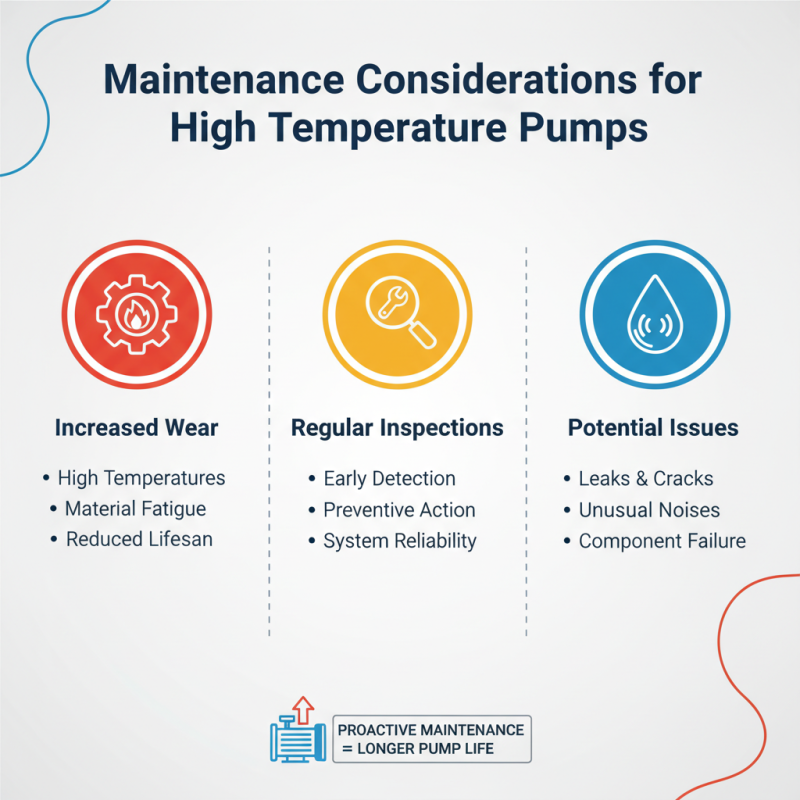
When selecting high temperature pumps, maintenance is critical. High temperature applications can lead to increased wear and tear. Regular inspections help detect potential issues early. Identifying leaks, cracks, or unusual noises can prevent larger problems down the line.
Lubrication is essential for high temperature pumps. Adequate lubrication reduces friction and heat buildup. Be mindful of the type of lubricant used. Some lubricants may break down at high temperatures, which is a common oversight. Routinely check and replace lubricants according to the manufacturer's guidelines.
Finally, monitor the pump's performance over time. Reduced efficiency can indicate underlying issues. Performing maintenance may seem tedious, but it ultimately saves time and money. Document maintenance activities for a reliable history. This information can be crucial for troubleshooting future problems.