Sealless Pumps for a Safer and Greener World

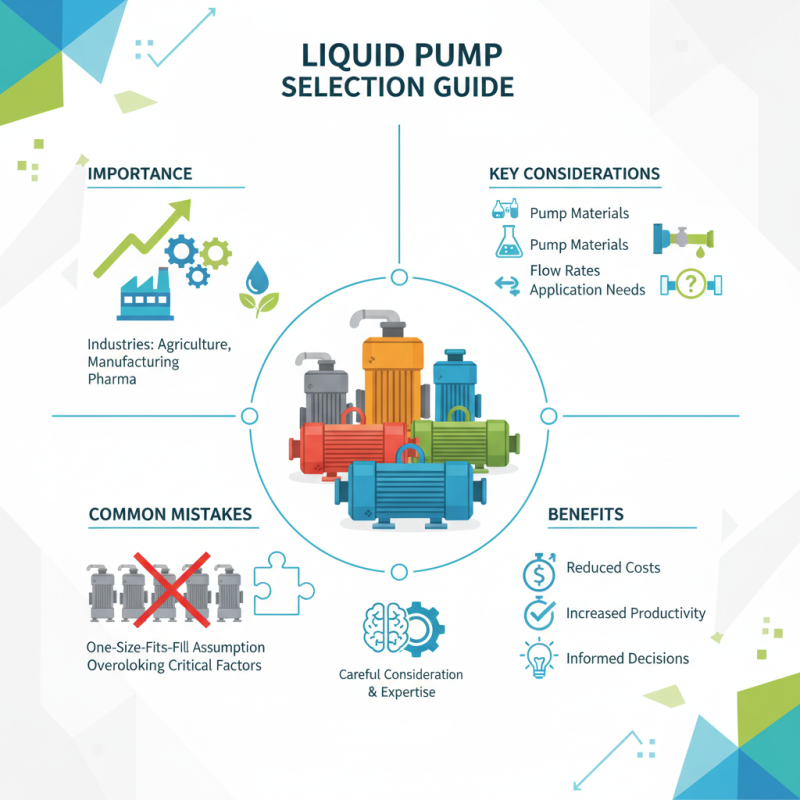
Choosing the right liquid pump can be a daunting task. According to industry expert John Smith, "Selecting the right liquid pump is crucial for efficiency and performance." This statement highlights the importance of making informed decisions in the liquid pump sector.
Liquid pumps play a vital role in various industries. They are used for transferring liquids in sectors like agriculture, manufacturing, and pharmaceuticals. However, not all pumps are created equal. Each application has unique requirements. Knowing the specific needs can help in making the right choice.
Many buyers overlook critical factors. For instance, pump materials and flow rates matter significantly. A mismatch can lead to inefficiencies. It's easy to assume that one size fits all. Reflection on your actual needs is essential before any purchase. A well-chosen liquid pump can increase productivity and reduce costs. Remember, the right choice often requires careful consideration and expertise.
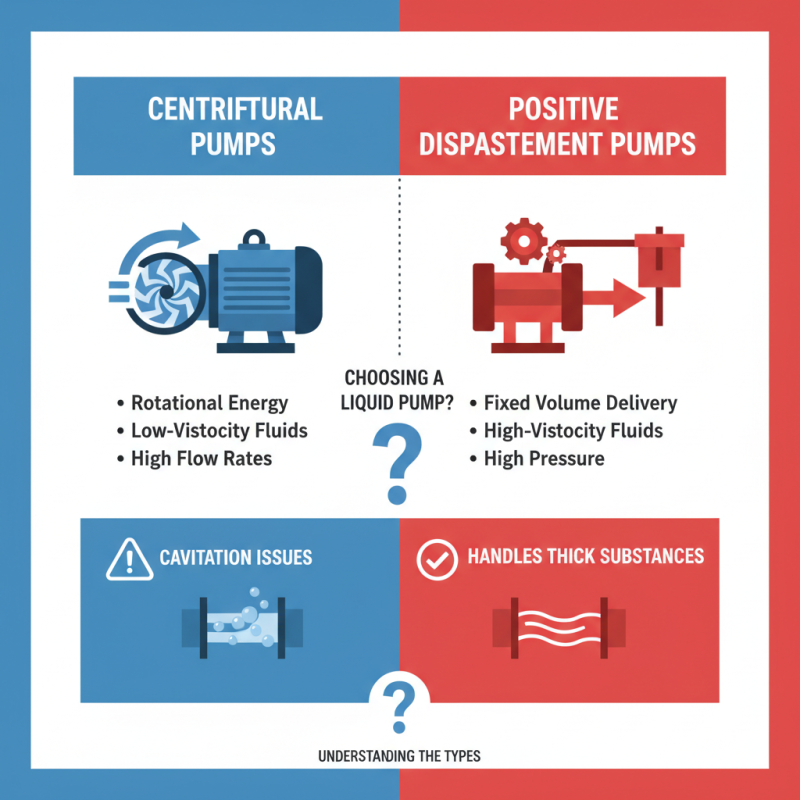
When selecting a liquid pump, understanding the two main types is crucial: centrifugal and positive displacement pumps. Centrifugal pumps use rotational energy to move liquids. They are ideal for low-viscosity fluids and high flow rates. However, they can struggle with thick or sticky substances. This might cause cavitation issues, leading to inefficiency.
Positive displacement pumps work differently. They trap a fixed amount of liquid and release it. This makes them great for high-viscosity liquids or applications requiring precise dosing. They maintain consistent pressure, but can be overheat if run dry, which is something to watch for.
Tips: Always consider the specific application. If you need to pump thick, viscous fluids, a positive displacement pump might be your best bet. On the other hand, for simple water transfer, a centrifugal pump often suffices. Think about maintenance. Both types have different upkeep needs, and overlooking them can lead to problems down the line. Remember, choosing the right pump isn't just about specs—it's about fit for purpose.
Choosing the right liquid pump requires understanding key specifications like flow rate, pressure, and viscosity. Flow rate measures the amount of liquid a pump can move. A typical industrial pump may handle 50 to 500 gallons per minute, depending on its design. However, selecting a pump with a flow rate too high for the application can lead to cavitation issues. This can damage the pump and reduce its lifespan.
Pressure is also critical. Pumps usually operate within specific pressure ranges. A common benchmark is around 30 to 60 PSI for many applications. Operating above this range can force liquids through untested paths, causing leaks or mechanical failure. It's essential to consider the pump's build quality and how it handles pressure surges.
Viscosity refers to the thickness of the liquid. For example, water has a low viscosity, while motor oil is much thicker. Many pumps can handle liquids with viscosities from 1 to 1,000 cP (centipoise). If a pump is not designed for high-viscosity liquids, it may struggle, leading to inadequate performance. Understanding these factors will help you make a more informed decision when selecting a pump.
This chart displays the comparison of different liquid pumps based on key specifications: Flow Rate, Max Pressure, and Viscosity. Each bar represents a different pump, allowing you to easily assess which pump meets your needs.
When selecting a pump for corrosive or abrasive fluids, material compatibility is crucial. Many industries rely on precise fluid management. According to a 2022 report by the Fluid Handling Association, nearly 30% of pump failures result from material incompatibility. This can lead to costly downtime and repair.
Consider the type of fluid being pumped. Acids and bases require pumps made from resistant materials. Polypropylene and PVDF are common choices for these applications. For abrasive fluids, stainless steel or ceramic-lined pumps may be necessary. However, every choice has trade-offs. Cost, flexibility, and maintenance procedures can complicate decisions.
Regular inspection and maintenance of pumps are essential. Ignoring wear can lead to unexpected issues. A 2023 study published in the Journal of Pump Engineering indicated that 50% of pumps in industrial settings experience decreased efficiency due to material degradation over time. This emphasizes the need for diligent monitoring, which often gets overlooked. In many cases, a well-suited pump can still fail if the system isn’t properly managed. The complexities of material compatibility require careful consideration and ongoing evaluation.
When selecting a liquid pump, energy efficiency is crucial. Analyzing power consumption can reveal potential cost savings.
Pumps can vary widely in efficiency ratings. A higher efficiency often means lower operating costs. However, buyers must look beyond initial prices. Sometimes, cheaper options consume more energy and lead to higher bills.
It's important to consider the duty cycle and application of the pump. Continuous operation may justify a higher upfront investment. Neglecting this can lead to frustration and unexpected expenses. Users should also assess maintenance requirements. Some pumps may require more frequent servicing, offsetting energy savings.
Comparing energy ratings is essential. Not all pumps deliver the same performance over time. Make sure to calculate potential savings based on usage patterns. In the long run, energy-efficient pumps can reduce costs significantly. Yet, not all designs are equally sustainable. This calls for careful evaluation of performance data. Sometimes, what looks good on paper might not reflect real-world efficiency.
Choosing the right liquid pump is crucial for various industries. Each application has specific requirements. For instance, in chemical processing, pumps must handle corrosive liquids. According to recent industry reports, nearly 40% of pump failures arise from improper selection. This highlights the importance of understanding your needs.
When selecting a pump, consider these specific factors. The viscosity of the liquid affects pump performance. For thicker liquids, a positive displacement pump may be ideal. In contrast, centrifugal pumps work well for thin liquids. Additionally, the temperature and pressure can vary significantly across applications. Always check compatibility with your liquid properties.
**Tips:** Understand your flow rate requirements. Knowing the exact flow can prevent oversizing or undersizing the pump. Also, maintain a list of materials being pumped. This can help avoid issues caused by material incompatibility. Sometimes, it may be useful to seek advice from industry experts. Their insights can guide you to a well-informed decision.
| Pump Type | Best Used For | Flow Rate (GPM) | Max Pressure (PSI) | Materials Supported |
|---|---|---|---|---|
| Centrifugal Pump | Water, Chemicals | 10-500 | 50-150 | Plastic, Stainless Steel |
| Diaphragm Pump | Viscous Fluids, Slurries | 0.5-20 | 30-90 | Rubber, PVC |
| Positive Displacement Pump | High Viscosity Liquids | 1-100 | 100-300 | Metal, Ceramic |
| Gear Pump | Oil, Fuel | 0.5-50 | 70-200 | Aluminum, Cast Iron |
| Peristaltic Pump | Chemicals, Food | 0.1-15 | 5-45 | Silicone, Santoprene |