Sealless Pumps for a Safer and Greener World

In the world of fluid transfer, "magnetic drive pumps" have become an essential technology. These pumps are known for their ability to eliminate leakage. According to a 2022 market report by Global Market Insights, the magnetic drive pump industry is projected to reach $2 billion by 2030, highlighting its growing importance. Experts like Dr. Emily Carter, a leading engineer in pump technology, states, "Choosing the right magnetic drive pump can significantly reduce operational risks and enhance efficiency."
However, selecting the perfect magnetic drive pump requires careful consideration. Many users do not understand the specific requirements or limitations of their applications. It’s not just about flow rates or pressure; materials and temperature tolerances play a crucial role too. Without proper understanding, one might invest in a pump that fails under certain conditions.
Real-world applications showcase failures due to inadequate due diligence. A well-chosen magnetic drive pump can save costs and improve system reliability. The right pump can handle aggressive chemicals and high temperatures, while poorly selected options could lead to leaks and downtime. Making informed decisions can prevent costly mistakes and enhance operational success.
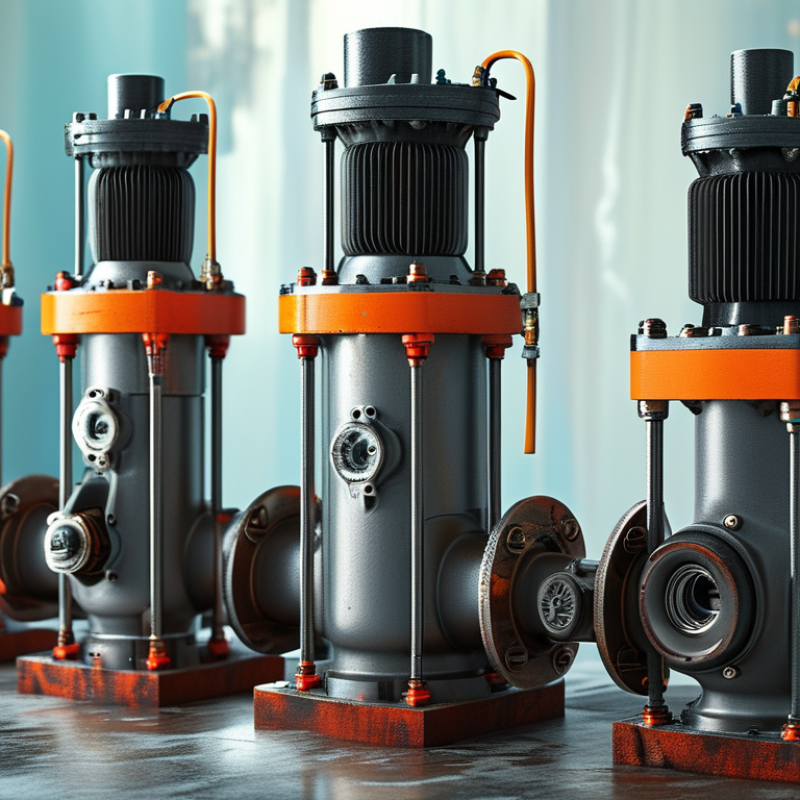
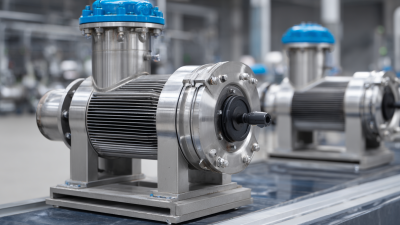
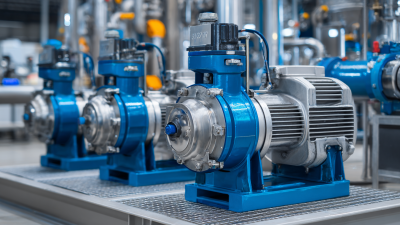
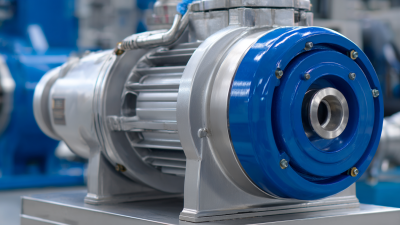
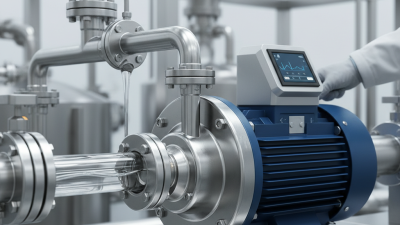
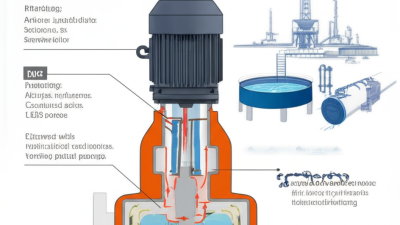
Magnetic drive pumps are designed for efficient fluid transfer without external leakage. They use magnetic couplings to transmit torque from the motor to the pump impeller. This eliminates the need for mechanical seals, making them ideal for hazardous or corrosive fluids. Applications include chemical processing, pharmaceuticals, and water treatment. Their ability to handle various fluid types is noteworthy.
While magnetic drive pumps offer many advantages, they also present specific challenges. For instance, the initial cost can be higher than traditional pumps. Additionally, they require proper sizing to ensure optimal performance. If oversized, they may underperform, causing increased wear. Conversely, undersized pumps can lead to failures and inefficiencies. Regular maintenance is crucial to avoid these issues and prolong their lifespan.
Choosing the right pump involves understanding your specific needs. Assess the fluid’s properties: viscosity, temperature, and corrosiveness play a vital role. Consider the flow rate and pressure requirements as well. Even minor miscalculations can lead to significant operational setbacks. Balancing these factors ensures a reliable and efficient pumping system.
| Feature | Description | Applications | Material Compatibility | Max Flow Rate (GPM) |
|---|---|---|---|---|
| Capacity | Determining the flow rate needed for your application. | Chemical processing, water treatment. | Corrosive fluids, acids, bases. | Up to 100 GPM |
| Efficiency | Evaluate energy consumption versus performance. | Food processing, pharmaceuticals. | Food-grade compatibility. | 50-75 GPM |
| Material Construction | Check materials for durability and compatibility. | Oil and gas, wastewater management. | Stainless steel, polypropylene. | 300 GPM |
| Temperature Range | Consider the operating temperature limits. | Chemical storage, laboratory use. | High-temperature solutions. | 25-200°F |
| Maintenance | Assess ease of maintenance and part replacement. | Industrial applications, HVAC systems. | General fluids, heating oils. | 20-50 GPM |
When selecting magnetic drive pumps, it's crucial to consider several key factors. One important factor is the fluid characteristics. Magnetic drive pumps are often used for corrosive or hazardous materials. Understand the chemical compatibility of the pump materials to prevent failures. According to a recent industry report, improper material selection can lead to more than 30% of pump failures.
Another critical aspect is the required flow rate and head. Knowing the system's demands helps in choosing a pump that meets operational efficiency. It’s recommended to factor in possible fluctuations in demand. Many engineers overlook this, leading to inefficient operations. Additionally, consider the power requirements of the pump. Some systems may require high energy, impacting long-term operational costs.
Maintenance and ease of service are also vital. Magnetic drive pumps have fewer moving parts, often reducing maintenance needs. However, accessibility for service and inspection remains essential. In a survey, 55% of organizations identified maintenance challenges as a significant barrier to operational efficiency. Ensuring that a pump is not only efficient but also easy to maintain can result in enhanced reliability over time.
When selecting magnetic drive pumps, understanding your flow rate and pressure requirements is critical. Flow rate, measured in gallons per minute (GPM) or liters per minute (LPM), directly affects pump efficiency. Industry data suggests that 50% of pump failures stem from improper flow rate selection. This highlights the importance of accurate calculation.
Pressure requirements also play a vital role. Knowing the system's total dynamic head (TDH) ensures the pump can handle the required pressure. Consider how friction loss, elevation changes, and other factors impact the system. According to a 2022 report from the Hydraulic Institute, nearly 30% of installed pumps operate below their best efficiency point due to miscalculations.
Tips for selection: Always calculate your maximum required flow and pressure. Test your setup with various scenarios to ensure reliability under different conditions. Keep in mind that oversizing a pump can lead to energy inefficiencies. If you’re uncertain, consulting with a fluid dynamics expert can provide clarity. Balancing precision in your flow and pressure calculations ultimately leads to improved system performance. Aim for continuous improvement in your approach to pump selection.
When selecting a magnetic drive pump, materials compatibility is crucial. The right materials ensure the pump will withstand the fluid being transferred. Pumps often deal with aggressive chemicals. Using the wrong material can lead to rapid degradation. For example, stainless steel is great for many liquids but unsuitable for certain corrosive substances.
Consider the environmental conditions too. Temperature variations can impact material performance. Some plastics may become brittle in cold environments. Always check compatibility charts before making a decision. Research is essential. Speak to experts or read reliable sources that specialize in pump technologies.
In practice, it's often found that manufacturers provide general guidelines. However, real-world applications can vary. Users should document their experiences with specific materials. This information can be invaluable in ensuring pump longevity. Keeping detailed logs can identify potential issues early, avoiding costly downtime.
This chart illustrates the compatibility ratings of various materials used in magnetic drive pumps. A higher rating indicates better suitability for diverse applications, ensuring durability and reliability in various operating environments.
Magnetic drive pumps are efficient and reliable, but they require proper maintenance to ensure longevity. Regular inspection is crucial. Look for any signs of wear, such as leaks or unusual noises. These may indicate that parts need replacement. Keeping the pump clean is essential. Dust and debris can affect performance and lead to failures.
Lubrication is another key aspect of maintenance. Use the recommended lubricants to avoid wear and tear on moving parts. Monitor the temperature during operation. Overheating can shorten the pump’s lifespan. Additionally, pay attention to the motor's performance. If it shows inconsistencies, it might need attention.
Sometimes, maintenance can be overlooked. Forgetting to perform regular checks can lead to significant issues. Documenting maintenance activities can help track the pump's health over time. Engaging with professionals for periodic inspections can bring a different perspective. They may spot potential problems that may not be obvious. Taking the time to care for your magnetic drive pump pays off in the long run.