Sealless Pumps for a Safer and Greener World

An Oil Rig Pump is crucial in the extraction of crude oil. These pumps work tirelessly to move oil from beneath the earth's surface to processing facilities. Understanding how these machines operate can shed light on the complexities of oil drilling.
Oil Rig Pumps come in various designs. Each type serves a unique purpose in the extraction process. Their efficiency directly affects production rates. However, issues such as wear and tear can lead to significant downtime. This makes maintenance a key concern.
The technology behind Oil Rig Pumps is fascinating yet challenging. Operators must assess performance, conduct regular inspections, and make repairs when needed. This ongoing effort demands expertise and experience. Mistakes in this field can lead to inefficiencies and costly delays.
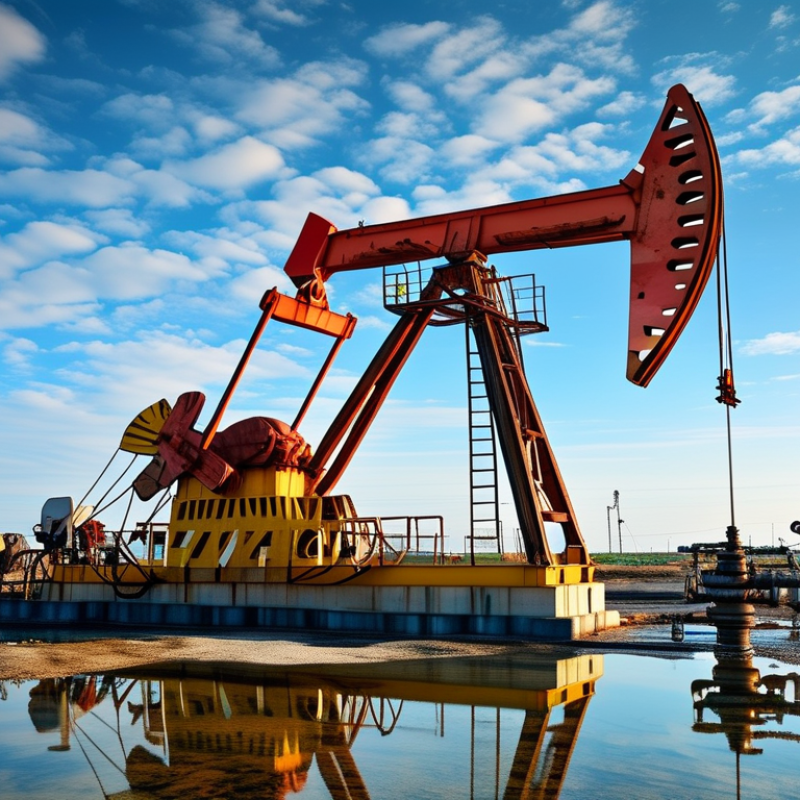
An oil rig pump is a critical component in the extraction of oil from underground reservoirs. These pumps facilitate the movement of fluids, typically crude oil, from deep within the earth to the surface. They work by creating a pressure differential, allowing oil to flow through a series of pipes and into storage tanks. Understanding how these pumps operate is essential for safety and efficiency in drilling operations.
Oil rig pumps come in various types, including centrifugal and positive displacement pumps. The choice of pump depends on factors such as the viscosity of the oil, the depth of extraction, and the required flow rate. Centrifugal pumps use rotational energy to move oil, while positive displacement pumps rely on mechanical force. Each type has its own advantages and limitations, which can affect overall productivity.
Operating an oil rig pump involves navigating many challenges. For instance, mechanical failures can occur, leading to costly downtime. The maintenance required is often extensive and needs careful planning. Even seasoned operators may find themselves at odds with unexpected issues. In an industry driven by precision, recognizing these obstacles is crucial for improvement.
This chart illustrates the performance metrics of an oil rig pump, showcasing parameters such as vertical depth, pumping rate, pressure, and fluid temperature. These metrics provide insights into the operational efficiency and conditions of the pump in the field.
Oil rig pumps are vital components of drilling operations. These pumps help circulate drilling fluids, maintain pressure, and ensure safe operations. Different types of oil rig pumps are used based on specific needs and operational environments.
The most common types of oil rig pumps include centrifugal pumps, positive displacement pumps, and triplex mud pumps. Centrifugal pumps are widely used for their efficiency and ability to move large volumes of fluid quickly. They can handle various drilling fluids, making them versatile. According to a report by the American Petroleum Institute, over 60% of oil rigs utilize centrifugal pumps.
Positive displacement pumps are known for their ability to maintain consistent pressure. These pumps are ideal for moving thick, viscous fluids often encountered in oil drilling. Triplex mud pumps, on the other hand, are favored for high-pressure applications. They deliver mud efficiently, supporting drilling activities at great depths. Studies show that pumps in oil extraction can operate under pressures exceeding 5,000 psi.
While these pumps are effective, challenges exist. Mechanical failures can lead to downtime and increased costs. Regular maintenance is critical but often overlooked. Data suggests that up to 30% of pump issues could be prevented with better upkeep. This highlights the need for training and a proactive approach in pump management.
Oil rig pumps play a crucial role in the extraction of crude oil. Understanding their workings helps in optimizing efficiency and maintaining equipment integrity. These pumps, typically positive displacement types, move drilling mud or oil through various systems. They work by creating pressure through mechanical motion, pushing fluids forward. This method ensures a continuous flow, which is vital during drilling operations.
A common type of oil rig pump is the centrifugal pump. It uses a rotating impeller to increase fluid velocity. This design is effective for transferring high volumes of liquid quickly. Ensure regular maintenance to prevent wear and tear. If the pump doesn’t operate smoothly, it can lead to costly downtime.
Tips: Always check the pump's seals for leaks. A small leak can escalate if not addressed promptly. Monitor the temperature closely. Overheating can compromise pump performance. Regular inspections are essential for early diagnosis of potential problems. Implementing a routine maintenance schedule will save time and resources. Keeping records of pump conditions can also aid future troubleshooting.
Oil rig pumps play a critical role in the oil extraction process. They are responsible for moving fluids, including crude oil, from the well to the surface. According to research by the International Energy Agency, pumps account for about 20% of energy consumption in oil extraction operations. The efficiency of these pumps directly impacts the overall productivity of oil fields.
Applications of oil rig pumps extend beyond simple fluid transfer. They are essential for maintaining pressure in the well, which ensures optimal production rates. A report by the Society of Petroleum Engineers states that operators can improve a well's extraction rate by up to 30% through optimal pump management. However, over time, wear and tear can reduce pump efficiency. Regular maintenance is necessary but often overlooked, leading to decreased production and higher costs.
Despite their importance, the design and operation of these pumps can be complex. Many rigs face challenges such as high temperatures and corrosive environments. Such conditions can lead to unexpected failures. This highlights the need for continuous monitoring and adaptation in pump technology to enhance reliability. Consequently, operators must assess their pumping systems regularly to ensure they meet performance standards and operational efficiency.
Oil rig pumps are vital for extracting crude oil from deep below the earth's surface. However, they face numerous challenges. One significant issue is the wear and tear caused by harsh working conditions. Pumps operate continuously under extreme pressure and temperature. These factors can lead to mechanical failures, resulting in costly downtime.
Regular maintenance is essential to ensure the longevity of these pumps. Technicians often conduct inspections to identify any signs of wear. They check seals, bearings, and valves for proper functioning. Neglecting maintenance can lead to severe failures and environmental hazards.
**Tip:** Create a maintenance schedule. This proactive approach can prevent unexpected breakdowns.
Another challenge is dealing with the corrosive nature of crude oil and other fluids. Pumps can corrode quickly, affecting efficiency. Implementing protective coatings and using corrosion-resistant materials may help. Training staff on the signs of problems is equally crucial.
**Tip:** Educate your team about common failures. Knowledge can empower them to spot issues early.
In summary, handling oil rig pumps requires attention and expertise. Although challenges exist, consistent maintenance and training can mitigate risks and enhance performance.
| Dimension | Details |
|---|---|
| Type of Pump | Centrifugal Pump |
| Typical Capacity | 500 to 10,000 GPM |
| Common Challenges | Corrosion, Cavitation, Vibration |
| Maintenance Frequency | Every 6 months |
| Key Maintenance Activities | Seal Replacement, Bearing Inspection, Cleaning |
| Life Expectancy | 5 to 10 years |
| Monitoring Techniques | Vibration Analysis, Pressure Monitoring |


