Sealless Pumps for a Safer and Greener World

In today's industrial landscape, the demand for reliable and efficient canned pumps is on the rise. These pumps offer a unique design that enhances performance and minimizes leakage. Global buyers are increasingly seeking top suppliers who can deliver quality and innovation. Understanding the key players in this market is essential for making informed purchasing decisions.
Canned pumps are known for their durability and safety. They find applications in various industries, including chemical processing and food production. However, not all suppliers offer the same level of expertise or product quality. It's vital to identify those who stand out for their experience and commitment to excellence.
While many suppliers claim to provide the best canned pumps, their actual performance may vary. Buyers must critically assess each supplier’s capabilities and customer service. Engaging with industry experts can shed light on the reliability of potential partners. This insight helps in navigating the complexities of the global supply chain. Ultimately, informed decisions lead to better outcomes.

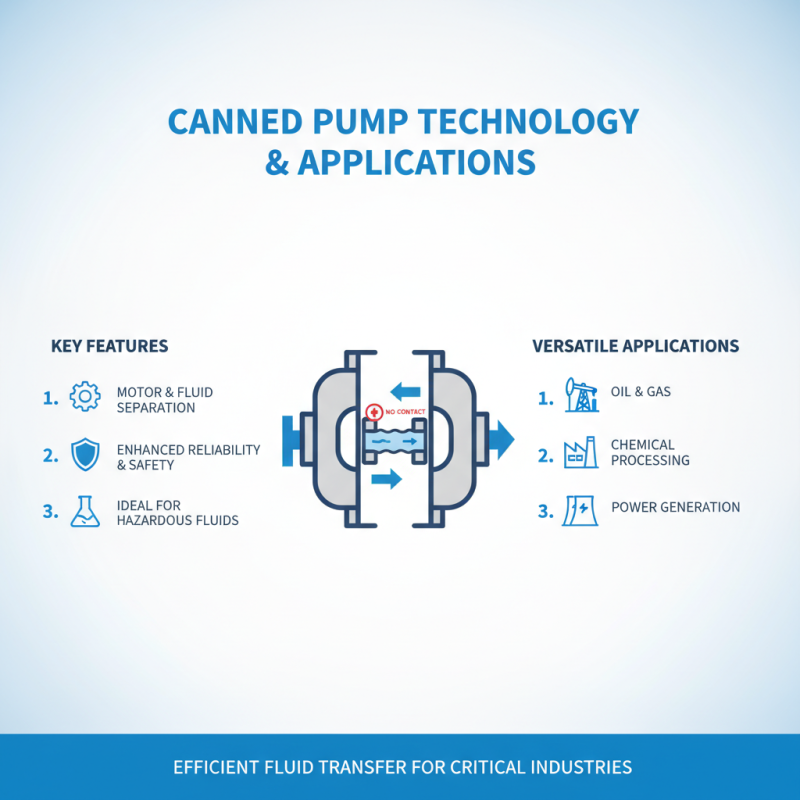
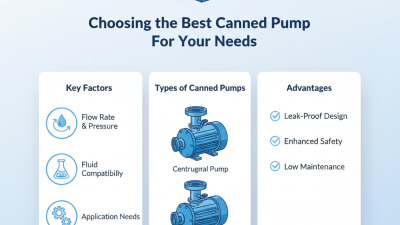
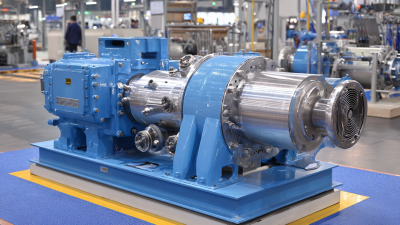
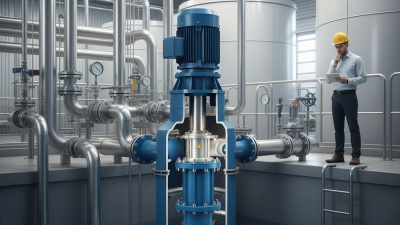
Canned pumps are effective solutions for transferring various fluids. Their design features a motor that drives a pump without direct contact with the fluid. This separation enhances reliability and safety, particularly when handling hazardous materials. The technology allows for efficient operation in different environments, making it versatile for industries.
In the chemical, food, and pharmaceuticals sectors, canned pumps play a vital role. Their ability to manage high-viscosity fluids is significant. The sealed design reduces the risk of leaks, ensuring compliance with safety regulations. However, maintenance can be challenging. Regular inspections are necessary to prevent performance issues and ensure longevity.
Innovation in canned pump technology is ongoing. Some manufacturers are exploring ways to improve energy efficiency and reduce operational costs. This search for improvement raises questions about existing designs. Rethinking traditional practices can lead to more sustainable options. This evolution will ensure canned pumps remain relevant in a changing market.
When evaluating canned pump suppliers, several criteria are vital for global buyers. First, consider the supplier’s technological expertise. A supplier with strong R&D capabilities often leads to more innovative products. According to a 2022 industry report, 35% of leading suppliers invest significantly in technology upgrades. This investment directly impacts product performance and reliability.
Quality assurance is equally important. Look for suppliers with recognized certifications. A recent survey indicated that 60% of buyers prioritize ISO-certified firms. This certification often reflects rigorous quality control processes. Additionally, transparency in the supply chain can enhance trustworthiness. Suppliers that openly share sourcing and production practices tend to foster better long-term relationships.
Lastly, customer support and service are crucial aspects. A supplier’s ability to respond quickly to inquiries can be a game-changer. Long lead times for responses can indicate potential issues down the road. More than 40% of clients express dissatisfaction when support is lacking. Ensuring that suppliers can offer timely assistance may be necessary for ongoing operations. Evaluating these criteria thoughtfully can lead to better partnerships in the canned pump market.
Canned pumps play a vital role in various industries, including chemical, food, and pharmaceuticals. Their design ensures a secure and reliable method for transporting liquids. According to a recent industry report, the global canned pump market is projected to reach $1.2 billion by 2025, with a compound annual growth rate of 5.6%. This growth underscores the increasing demand for these efficient solutions.
Many suppliers excel in providing canned pumps tailored to specific needs. Technical expertise is crucial in this sector. Suppliers must understand the complexities of fluid dynamics and materials compatibility. It’s noteworthy that about 25% of businesses reported challenges related to pump reliability and maintenance. Addressing these issues should be a priority for manufacturers.
Quality assurance remains a key factor for global buyers. Data from industry surveys show that 70% of companies prioritize durability and efficiency. Many suppliers invest in advanced technologies to enhance product longevity. As a result, ongoing innovations in design and materials are necessary. Buyers should prioritize suppliers committed to continuous improvement and performance.
| Supplier Location | Market Segment | Pump Capacity (L/min) | Materials Used | Certifications |
|---|---|---|---|---|
| North America | Industrial | 100-500 | Stainless Steel | ISO 9001 |
| Europe | Chemical Processing | 50-300 | PVC, PTFE | ATEX, CE |
| Asia | Food and Beverage | 200-1000 | Hastelloy | FDA, GMP |
| South America | Pharmaceutical | 150-800 | Titanium | ISO 13485 |
When exploring the global landscape of canned pump manufacturers, regional leaders stand out. They adopt innovative technologies to enhance efficiency. Each region has its specialties, affecting product reliability and performance. For instance, some manufacturers focus on agricultural applications, while others cater to industrial needs.
Choosing the right supplier can be challenging. Consider local expertise and customer support. Check if they offer customized solutions for unique projects. This practice can lead to significant improvements in pump reliability.
Tips for selecting a canned pump supplier include assessing their reputation. Look for manufacturers with a proven track record. Evaluate their engineering capabilities and after-sales service. This guarantees that support is available when you need it. Always ask for references or case studies. Learning from others can guide your decision.
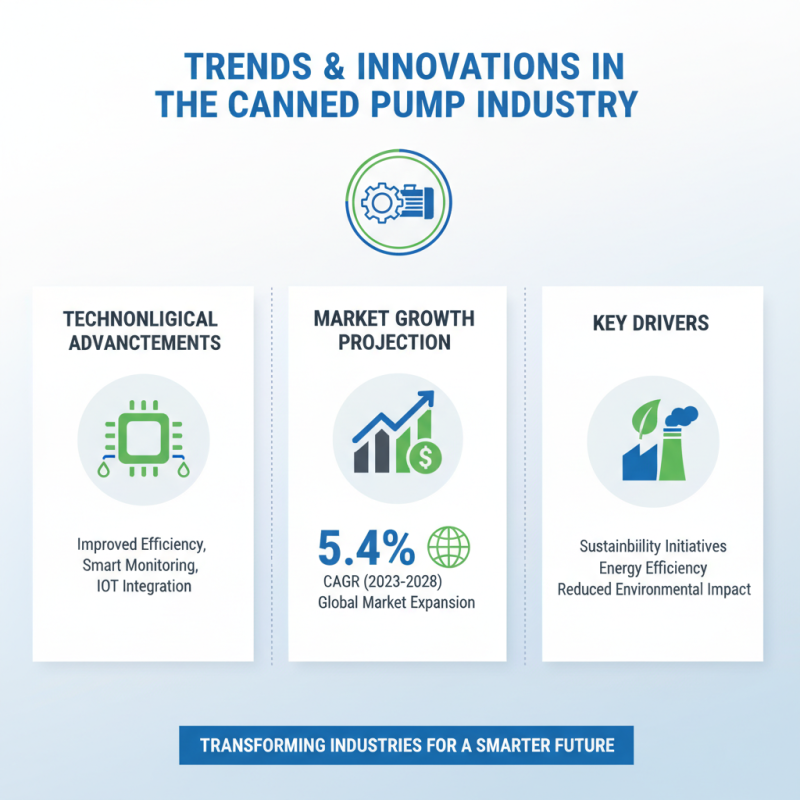
The canned pump industry is witnessing transformative trends driven by advances in technology and changing market demands. Recent data indicates that the global canned pump market is projected to grow significantly at a CAGR of 5.4% from 2023 to 2028. This growth is largely attributed to increased efficiency and sustainability initiatives across various sectors.
Innovations include the adoption of smart technology in canned pumps. These pumps now feature IoT capabilities, which allow for real-time monitoring and control. Enhanced material science is also playing a role. Manufacturers are utilizing more durable and corrosion-resistant materials, improving the longevity and performance of these pumps.
**Tips:** Consider investing in smart canned pumps. They provide operational efficiency and can lower long-term costs. Additionally, pay attention to sustainability in your pump selection.
One must reflect on the challenge of adapting to these innovations. Some companies struggle to integrate new technologies fully. This can lead to operational delays and increased costs. Seeking expert insights can help mitigate these risks and ensure a smoother transition.