Sealless Pumps for a Safer and Greener World

What Are the 2026 Top Ceiling Speaker Types?
The 2026 Ceiling Speaker market is moving beyond simple background music. Homeowners now expect cleaner sound, smaller grilles, easier installation, and better room coverage. Popular options include coaxial in-ceiling speakers, Dolby Atmos height speakers, invisible architectural models, moisture-resistant speakers, and smart wireless systems.
Floyd Toole, a respected loudspeaker researcher and audio authority, wrote, “The goal of a good loudspeaker is to reproduce the sound of the original source as accurately as possible.” This principle remains useful when comparing modern Ceiling Speaker designs. A stylish grille cannot replace balanced frequency response. Nor can high power fix poor placement.
Real rooms create real problems. A kitchen may produce harsh reflections from stone surfaces. A living room may lose bass through an open doorway. Bathrooms demand moisture resistance. Large rooms often need several smaller speakers instead of two powerful units. These details shape the right choice.
Coaxial models remain practical for general listening. Their tweeters sit near the woofer, creating consistent coverage under a ceiling. Atmos models focus attention on overhead effects, such as rain, aircraft, and moving sound. Invisible speakers offer a nearly seamless appearance, though installation quality becomes critical. Smart models add convenience, but wireless reliability still deserves scrutiny.
Some claims need reflection. “Best” does not always mean most expensive. A premium speaker can sound disappointing when placed beside a beam or installed without proper back-box support. This guide examines the leading 2026 types through sound quality, room use, installation demands, durability, and long-term value.
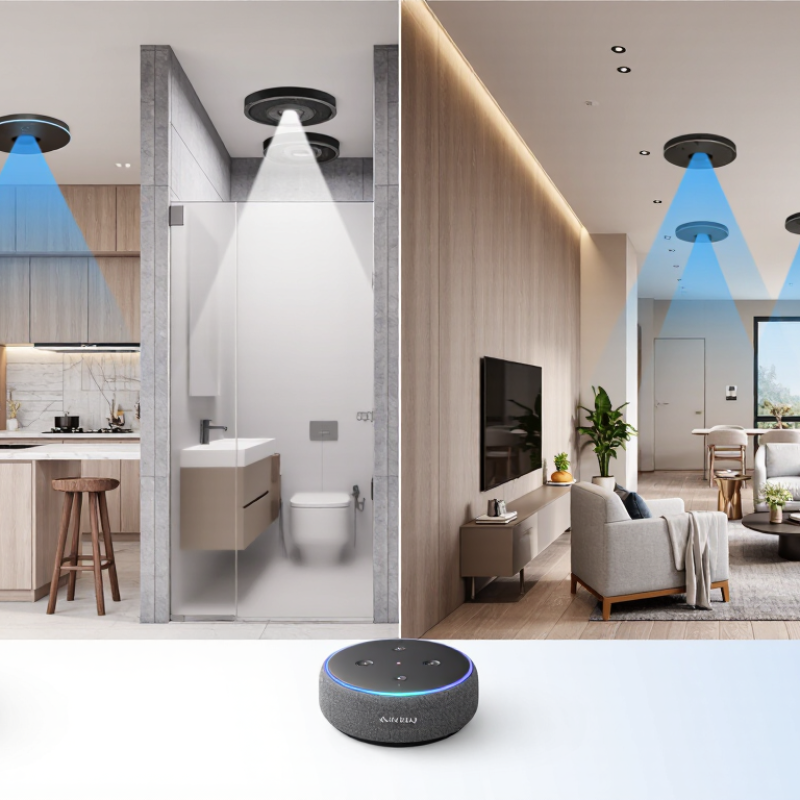
In 2026, a ceiling speaker type means more than a round grille above your head. It describes how the unit distributes sound, receives power, handles installation, and serves a room. A two-way model separates bass and treble through dedicated drivers. A coaxial model places them on one axis, saving ceiling space. Directional designs aim sound toward seating areas, while wide-dispersion models cover open rooms more evenly.
Real-world selection starts with the room, not the product label. In a kitchen, moisture resistance and easy cleaning may matter more than maximum volume. In a media room, angled drivers can improve dialogue at the back row. For offices, low-profile grilles and speech clarity often reduce visual distraction. I would measure ceiling depth, joist spacing, listening distance, and amplifier load before cutting any opening. Small errors become expensive.
Smart ceiling speakers now add network control, wireless signals, or built-in amplification, but these features do not automatically improve sound. Wired systems can remain more predictable in demanding installations. Fire-rated construction, safe cable routing, and documented electrical specifications also help define a responsible type. Certification details deserve careful checking. Some online descriptions feel impressive but leave out testing conditions. I have learned that a speaker sounding excellent in an empty showroom may disappoint under a low ceiling, beside hard floors, and near a noisy extractor fan. The category is useful, but room evidence should challenge it.
In-ceiling speakers now come in several designs, and their differences affect sound more than many buyers expect. Coaxial models place the tweeter in front of the woofer, creating balanced coverage from one ceiling opening. They suit bedrooms, kitchens, and compact living rooms where installation space is limited. Two-way systems often provide clearer vocals because each driver handles a narrower frequency range.
Angled in-ceiling speakers direct sound toward the listening position instead of straight down. They work well in home theaters, especially when seats sit away from the ceiling center. Stereo-input models combine left and right channels in one enclosure. They can prevent a weak stereo image in bathrooms, hallways, and narrow rooms. Enclosed-back designs add protection behind the speaker and reduce sound transfer into nearby spaces. That detail matters in apartments and upstairs bedrooms.
Moisture-resistant construction is useful in humid rooms, but it does not make every ceiling speaker suitable for constant water exposure. Check the installation rating carefully. During real installations, I have seen excellent speakers sound disappointing because the cutout was poorly sealed or the ceiling was too thin. Placement still decides much of the result. A speaker with a wide dispersion pattern may sound smooth across a sofa, while a narrow pattern can create one bright listening spot. I sometimes misjudge reflective ceilings, particularly in rooms with glass tables and bare floors. Soft furnishings can change the result more than expected. Back boxes may improve control, yet they also require extra ceiling depth and careful fitting.
| Speaker Type | Core Design | Sound Dispersion | Typical Audio Role | Best Installation Location | Main Advantages | Key Limitations | Overall Fit |
|---|---|---|---|---|---|---|---|
| Full-Range Fixed-Angle Speaker | One coaxial driver combines a woofer and a tweeter on a fixed axis. The tweeter is usually positioned in front of the woofer. | Broad and generally even coverage, with the strongest response directed toward the speaker axis. | Background music, distributed audio, speech, and general home entertainment. | Bedrooms, hallways, kitchens, offices, and rooms where the listening position is fairly predictable. | Simple design, compact installation, consistent phase alignment, and relatively easy system planning. | The fixed angle limits aiming flexibility, and high-frequency coverage can vary when listeners are far off-axis. | Versatile |
| Pivoting-Tweeter Speaker | A coaxial speaker with a tweeter that can be tilted toward the main listening area after installation. | More focused high-frequency coverage than a fixed model, with improved clarity away from the ceiling cutout. | Music and television audio in rooms with seating that is not directly below the speaker. | Living rooms, media rooms, dining rooms, and spaces with off-center seating. | Allows the treble to be aimed at listeners, helping compensate for irregular layouts and reflective surfaces. | The woofer remains largely fixed, and excessive aiming can make coverage less uniform across a large room. | Flexible |
| Angled-Woofer Speaker | The woofer and tweeter are mounted on a slanted baffle or angled enclosure to project sound toward a listening zone. | Directional, forward-aimed coverage that can reduce the need to place the speaker directly above the listener. | Front left, center, and right channels in an in-ceiling home theater system. | Media rooms where wall-mounted speakers are impractical and the screen or seating position is clearly defined. | Creates better front-stage imaging than a flat ceiling speaker when positioned and aimed correctly. | Less suitable for evenly distributed background audio; placement and orientation require careful planning. | Theater Focused |
| Dual-Voice-Coil Stereo Speaker | One ceiling enclosure contains two voice coils and usually two tweeter outputs, allowing one speaker to reproduce both stereo channels. | Wide coverage from a single location, but stereo separation is limited compared with two separate speakers. | Low-volume stereo music in compact areas where installing a pair is difficult. | Bathrooms, closets, hallways, small kitchens, and other narrow or single-speaker locations. | Saves ceiling space and avoids left-channel or right-channel imbalance in small rooms. | Lower stereo imaging, reduced power sharing between channels, and less ideal for critical listening. | Space Saving |
| High-Excursion Performance Speaker | Uses a larger woofer, a stronger motor structure, and greater cone travel to produce higher output and deeper mid-bass. | Typically wider and more controlled at higher volume, depending on the baffle and driver geometry. | High-level music playback, home theater effects, and rooms that need greater dynamic range. | Dedicated media rooms, large living areas, and open-plan spaces with elevated listening levels. | Higher output capability, improved dynamic impact, and better resistance to compression at demanding levels. | Requires more amplifier power, can need a larger ceiling cutout, and may transmit more vibration to the structure. | High Output |
| Moisture-Resistant Speaker | Uses corrosion-resistant materials, sealed or treated components, and finishes designed to tolerate humid conditions. | Usually broad and room-filling, with performance determined by the specific driver and grille design. | Background music and general audio in damp or temperature-variable environments. | Bathrooms, covered patios, kitchens, laundry rooms, and indoor pool-adjacent areas. | Better durability in humid locations and reduced risk of component corrosion. | Moisture resistance is not the same as complete waterproofing; direct water exposure may still be prohibited. | Damp Areas |
| Shallow-Profile Speaker | A reduced-depth enclosure and compact magnet structure are designed for ceilings with limited joist cavity space. | Varies by model; compact designs generally favor broad near-field coverage rather than long-distance projection. | Distributed music and speech where installation depth is the primary constraint. | Low-clearance ceilings, areas with ductwork, and renovation projects with restricted cavity depth. | Fits more locations and reduces conflicts with framing, pipes, and ventilation ducts. | Small enclosures may provide less bass extension and lower maximum output than deeper designs. | Renovation Friendly |
| In-Ceiling Subwoofer | A dedicated low-frequency driver is installed in the ceiling, normally with an enclosure or back box and a separate amplifier channel. | Low bass is relatively non-directional, while room placement and boundary effects strongly influence bass consistency. | Low-frequency reinforcement for music and home theater systems. | Media rooms and large rooms where a floor-standing subwoofer is undesirable or impractical. | Preserves floor space, provides a clean appearance, and can deliver substantial bass when properly enclosed and powered. | Installation is more complex, structural isolation is important, and bass correction may be needed to manage room modes. | Bass Expansion |
| Object-Based Surround Speaker | A wide-dispersion or aimable in-ceiling design is used to reproduce overhead effects in immersive multichannel audio. | Broad overhead coverage is preferred so multiple seats can perceive height information. | Height and overhead channels for immersive home theater formats. | Above or slightly forward of the main listening seats, following the processor and speaker-layout guidelines. | Provides convincing vertical effects and keeps the floor and walls visually uncluttered. | Placement is important, ceiling reflections can affect clarity, and it should not replace properly positioned main speakers. | Immersive Audio |
Selection note: Choose the design according to listening position, ceiling depth, room moisture, required output, amplifier power, and whether the system is intended for distributed audio, stereo listening, or home theater.
Which Ceiling Speaker Types Lead in 2026?
In 2026, low-profile in-ceiling speakers lead residential installations because they blend into clean, modern interiors. Coaxial models remain popular, combining a woofer and tweeter in one compact enclosure. They provide balanced sound for kitchens, bedrooms, and small media rooms. Directional angled speakers are gaining attention for dedicated listening spaces. Their drivers can aim toward seating instead of firing straight down. This small adjustment often improves dialogue clarity and stereo imaging. I have found that placement matters more than impressive specifications. A powerful speaker can still sound weak when installed beside a wall or behind furniture.
Moisture-resistant ceiling speakers also lead in bathrooms, covered patios, and humid areas. Models with sealed housings and protective grilles generally offer better long-term reliability. Backbox-equipped designs help control sound leakage between floors, although they may require deeper ceiling cavities. Wireless-ready systems are convenient, but they can depend heavily on network stability. That weakness is easy to overlook. For large homes, distributed audio systems with independent zone control provide practical flexibility. However, complex wiring can increase installation time and future repair difficulty.
Tips: Measure the ceiling depth before purchasing. Mark joist locations carefully. Test one speaker first. Use a calibrated listening track, not only loud music. Choose directional models when seating is fixed. In damp rooms, confirm moisture resistance rather than assuming it. Recheck grille alignment after installation, because small visual errors become obvious under recessed lighting.
Modern ceiling speaker selection depends on more than audio power. Flush-mount models suit minimalist rooms with limited visual space. Angled speakers direct sound toward seating areas, improving clarity in open-plan spaces. Moisture-resistant types work better in kitchens, bathrooms, and covered outdoor areas. Enclosed speakers can also reduce sound leakage into nearby rooms.
Key features shape the final choice. Check dispersion before wattage, because wide coverage can prevent uneven listening levels. Sensitivity affects performance with different amplifiers. Impedance must match the amplifier’s safe operating range. A sealed back enclosure may improve bass control and protect the ceiling cavity. Some newer models include adjustable tweeters, allowing installers to aim high frequencies toward listeners.
Real-world testing still matters. A specification sheet cannot predict every room. Hard floors, glass, and low ceilings may create sharp reflections. Fabric furniture can absorb too much treble. Experienced installers usually test one speaker position before cutting multiple openings. That extra step feels slow, but it can prevent costly repairs. I would not treat “high power” as automatic proof of better sound.
Tips: Measure the ceiling depth first. Mark joists and wiring paths. Listen from the main seating position. Compare speech clarity, not only bass. If the room is damp, verify the speaker’s environmental rating. Leave service access when possible; future adjustments are rarely as simple as expected.
Choosing the right ceiling speaker starts with the room, not the product category. A 2024 global smart-speaker market report projects an 18.3% annual growth rate through 2030. That growth reflects wider demand for discreet audio, but popularity does not guarantee good sound.
For music, choose coaxial two-way speakers with wide dispersion. They spread vocals across a dining room more evenly. For movie systems, angled or directional models can improve overhead effects. Match speaker sensitivity and impedance with the amplifier. Check the ceiling depth, joist position, fire barrier, and cable route before cutting anything. Small details matter. A 2024 residential audio installation survey found that placement errors were among the most frequent causes of uneven listening levels.
Bathrooms, kitchens, and covered outdoor areas need moisture-resistant construction. Ordinary models may fail near steam or condensation. Use a sealed backbox when you need clearer bass and less sound transfer between rooms. The European audio equipment standard IEC 60268-5 also provides measurable guidance for loudspeaker performance, including power handling and frequency response. Treat those figures carefully. They are laboratory results, not guarantees in a plasterboard ceiling. In my installations, a modest speaker placed correctly often sounds better than an expensive unit forced into a poor location. I still reconsider one assumption: more bass is not always better. It can make a small room feel muddy.
Typical frequency-response ranges for common ceiling speaker types
Two-way coaxial speakers are the most versatile choice for general music and home theater. Aimable models are better when the listening position is off-axis, while dual-voice-coil speakers suit compact rooms that need stereo sound from a single ceiling location. In-ceiling subwoofers extend bass performance but normally require a separate amplifier and crossover. Moisture-resistant models are more appropriate for bathrooms, kitchens, covered patios, and other humid areas. The ranges shown are representative industry specifications; actual performance depends on driver size, enclosure design, installation depth, and room acoustics.


