Sealless Pumps for a Safer and Greener World

Choosing a reliable China Breaker Lockout supplier requires more than comparing online prices. Global buyers need products that fit common circuit breaker designs, withstand repeated handling, and remain clearly identified during maintenance work. A dependable supplier should provide accurate dimensions, material details, installation guidance, and practical product samples.
This guide examines leading Chinese suppliers serving international markets. It considers manufacturing experience, quality control, export capability, customization support, and communication standards. Important details include nylon or reinforced polymer construction, visible warning labels, adjustable locking methods, and packaging that protects small components during long-distance shipping. Buyers should also review test records, factory photographs, inspection procedures, and available compliance documents.
A polished website is not proof. No supplier is perfect. Some companies offer attractive catalogs but provide limited technical support after payment. Others may produce excellent parts but struggle with delivery updates or custom labeling. That gap matters. Reliable sourcing depends on evidence, not promises. Requesting samples, confirming breaker compatibility, and checking production consistency can reduce costly misunderstandings. Lead times, minimum order quantities, replacement policies, and export documentation also deserve careful attention. Small details often reveal operational maturity. This introduction helps purchasing teams compare China’s top Breaker Lockout suppliers with clearer expectations, practical questions, and a stronger focus on workplace safety.
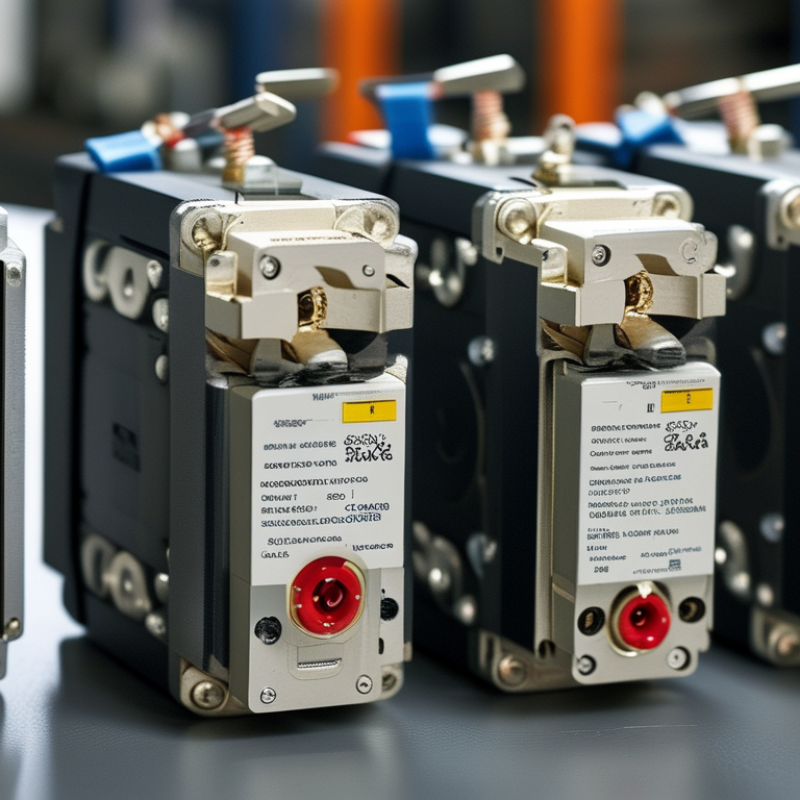
A breaker lockout is a physical device used to secure an electrical circuit breaker. It fits over or around the breaker handle. When secured with a padlock, it keeps the breaker in the OFF position. That barrier helps prevent accidental re-energization during maintenance. It does not replace isolation procedures. Workers must identify the correct circuit, switch it off, and verify zero energy with suitable test equipment.
Breaker lockouts are used because a simple warning label can be ignored or removed. A locked breaker creates a visible, physical control point. For example, a technician servicing a control panel may attach a personal lock before opening the enclosure. The lock shows who is protected and prevents another person from restoring power casually. This small step can reduce exposure to electric shock, arc-flash hazards, and unexpected machine movement.
Global buyers should examine breaker compatibility, material strength, installation clearance, and lock-hole dimensions. Some devices fit narrow single-pole handles, while others suit wider multi-pole breakers. Temperature, dust, and repeated use also matter in real workplaces. A product may look suitable but fail when the handle shape differs slightly. That is an easy detail to overlook. Clear instructions, traceable inspection records, and responsive technical support make the selection more reliable. Suppliers should provide accurate drawings and test information, not vague assurances.
Reliable breaker lockout devices begin with secure physical engagement. The clamp should hold the breaker handle without sliding, twisting, or blocking nearby controls. Tool-free installation is valuable during urgent maintenance. Yet, a perfect fit is not always enough.
OSHA’s Control of Hazardous Energy guidance estimates that lockout procedures prevent about 120 deaths and 50,000 injuries annually. This figure shows why retention matters. A dependable device needs strong, flame-resistant materials and visible warning labels. Its body should resist impact, oil, dust, and ordinary temperature changes. Red is useful. Clear identification is better.
Global buyers should also check compatibility across breaker shapes, handle widths, and panel spacing. Product drawings, sample testing, and installation instructions reduce costly assumptions. The Electrical Safety Foundation International, using 2020 Bureau of Labor Statistics data, reported 126 workplace electrical fatalities. That number supports careful device selection, not casual purchasing. Suppliers should provide material details, load or fit specifications, inspection guidance, and traceable quality records. Independent testing can add confidence, although paperwork alone cannot prove field performance. A loose device may pass a visual check. It can still fail during vibration.
| Breaker Lockout Type | Typical Breaker Compatibility | Common Material | Typical Locking Method | Typical Lock-Hole Capacity | Key Reliability Features | Common Application | Buyer Verification Points |
|---|---|---|---|---|---|---|---|
| Single-Pole Toggle Lockout | Standard single-pole miniature circuit breakers with a compatible toggle profile | Glass-filled nylon or reinforced engineering plastic | Push-on or screw-secured clamp over the breaker toggle | Usually one padlock hole; many models accept shackle diameters up to approximately 7 mm | Compact design, insulating body, firm toggle engagement, and visible locked position | Electrical panels, lighting circuits, control cabinets, and branch circuits | Confirm toggle dimensions, operating direction, panel clearance, and maximum shackle diameter |
| Double-Pole Toggle Lockout | Two-pole miniature circuit breakers operated by a linked or wider toggle | Reinforced nylon or molded engineering polymer | Clamp, screw, or pin-based retention around the linked toggle | Usually one padlock hole | Stable retention across a linked toggle, insulation against accidental contact, and clear identification area | Single-phase circuits, heating equipment, and small machinery panels | Verify the distance between poles, toggle height, toggle width, and available front-panel space |
| Three-Pole Toggle Lockout | Three-pole miniature or modular circuit breakers with a common operating handle | Reinforced engineering plastic, often combined with stainless-steel hardware | Mechanical clamp or screw-fastened lockout body | Usually one padlock hole; some designs support multiple holes | High resistance to cracking, secure clamping, corrosion-resistant hardware, and strong visual presence | Three-phase distribution boards and industrial control panels | Check common-handle geometry, breaker spacing, torque requirements, and enclosure clearance |
| Pin-In and Pin-Out Miniature Breaker Lockout | Miniature breakers with a small hole or slot in the toggle or toggle base | Nylon or other non-conductive molded polymer with hardened metal pin components | A pin enters or grips the breaker opening to prevent toggle movement | Normally one padlock hole | Low profile, quick installation, positive mechanical obstruction, and suitability for tight panels | Dense control cabinets and breakers with limited surrounding clearance | Measure the breaker opening diameter, pin position, toggle travel, and compatible lock shackle size |
| Wide Toggle Breaker Lockout | Broad or oversized breaker handles that cannot be secured by narrow miniature lockouts | Impact-resistant nylon, polycarbonate, or reinforced polymer | Adjustable screw clamp, sliding clamp, or wraparound mechanism | Usually one padlock hole; some adjustable models provide two or more | Adjustable fit, high impact resistance, anti-slip contact surface, and clear lockout indication | Large distribution breakers and equipment with wide operating handles | Confirm handle width, handle thickness, maximum clamp opening, and tightening method |
| Molded-Case Circuit Breaker Lockout | Molded-case circuit breakers with larger rotary or lever-style operating mechanisms | Heavy-duty glass-filled nylon, thermoplastic elastomer, or powder-coated metal components | Adjustable clamp, bracket, or screw mechanism installed over the operating handle | Commonly one or two padlock holes, depending on the design | Robust construction, adjustable positioning, resistance to industrial impact, and secure handle coverage | Main distribution equipment, industrial machinery, and high-current panels | Verify handle dimensions, breaker face geometry, operating clearance, and enclosure-door compatibility |
| Tie-Bar or Multi-Breaker Lockout | Adjacent breakers that must be isolated together or secured through a common operating bar | Reinforced polymer, stainless steel, or a polymer-metal combination | Crossbar, adjustable rail, or linked clamp prevents operation of multiple handles | Typically two or more padlock holes | Shared isolation control, adjustable spacing, strong mechanical linkage, and multi-worker lock capability | Grouped circuits, maintenance isolation, and coordinated shutdown procedures | Check breaker spacing, number of handles, bar travel, maximum padlock count, and panel depth |
| Universal Breaker Lockout | A broad range of single-pole, multi-pole, and larger breaker handle configurations | High-strength polymer with stainless-steel adjustment and clamping parts | Adjustable clamp or rotating screw mechanism | Usually one or two padlock holes | Wide adjustment range, replaceable or durable contact surfaces, high visibility, and flexible installation | Mixed electrical panels where several breaker geometries are present | Request compatibility drawings, tested breaker models, adjustment range, and installation instructions |
| Lockout Kit for Breaker Panels | A selection of lockouts for miniature, molded-case, and wide-handle breakers | Mixed polymer and metal components supplied in a protective case or pouch | Combination of pin, clamp, screw, and universal mechanisms | Varies by device; kits commonly include single-lock and multi-lock options | Broader coverage, labeled components, organized storage, and reduced selection errors during maintenance | Maintenance departments, contractor tool inventories, and multi-site safety programs | Review the item list, compatibility chart, replacement availability, labeling, and packaging requirements |
Evaluating China-based breaker lockout suppliers requires more than comparing unit prices. OSHA’s FY2023 Top 10 data listed 2,554 lockout/tagout violations, showing why physical fit and procedure matter. The ILO estimated 2.93 million work-related deaths annually in its 2023 report. These figures are sobering. Request engineering drawings, material specifications, inspection plans, and batch traceability. Check whether the supplier controls molding, metal stamping, assembly, and final inspection. A trading company may still be suitable, but undisclosed subcontracting increases risk. Verify the actual factory address through a live video audit or independent inspection.
Test samples on the breaker models used in your target markets. Check single-pole and multi-pole fit, handle clearance, tightening force, temperature exposure, and repeated installation. Ask for test methods, not only certificates. A polished certificate can hide weak sampling. I still regard remote audits as incomplete. That limitation should appear in your purchasing records. Confirm packaging dimensions, labeling accuracy, spare-part support, lead times, and complaint response procedures. ISO 9001 certification supports process control, but it does not prove every lockout device fits safely.
China Top Breaker Lockout Suppliers for Global Buyers
Manufacturing Standards, Customization, and Export Capabilities
Reliable breaker lockout suppliers begin with controlled manufacturing, not attractive catalogs. Components should match documented drawings, material specifications, and repeatable production tolerances. IEC 60947-1 and IEC 60947-2 provide useful reference points for low-voltage switching equipment, although a lockout accessory may require additional buyer validation. Factories should maintain incoming inspection records, in-process checks, and final fit tests. Small details matter. A device that slips on a narrow toggle can weaken an entire isolation procedure.
Customization often involves more than color or logo placement. Experienced suppliers can adapt jaw dimensions, screw positions, insulation materials, warning labels, and packaging for different breaker families. Samples should be tested on actual equipment before mass production. ISO 9001-based quality systems can improve traceability, but certification alone proves little without inspection evidence. This is where some suppliers remain imperfect. Their documents may look complete, while field testing is limited.
Export capability depends on consistent documentation and physical protection. Buyers should request batch numbers, inspection reports, material declarations, carton markings, and multilingual instructions. The International Labour Organization reported nearly 3 million work-related deaths annually in its 2023 global estimates, reinforcing the need for dependable isolation practices. A 2024 market assessment by MarketsandMarkets also identifies industrial safety equipment as a growing sector, increasing pressure for scalable supply. However, faster delivery should not replace verification. Air freight, moisture-resistant cartons, spare samples, and clear export terms reduce avoidable problems at receiving sites.
Choosing a breaker lockout supplier in China requires more than comparing catalog prices. Global buyers should inspect product fit, documentation, and communication quality. Ask for samples matching the breaker models used at your site. Check the clamp, screw, and insulation for smooth operation. A lockout device that slips during installation is not a minor inconvenience.
Request material specifications, dimensional drawings, inspection records, and production photos. Reliable suppliers should explain their quality process without vague promises. Confirm whether products are tested for temperature, corrosion, and repeated use. Requirements may differ by destination, so review applicable workplace safety standards with a qualified local professional. Do not treat a supplier’s certificate as complete proof of suitability.
Small details often reveal operational strength. Can the supplier label cartons clearly? Can they maintain the same hole position across batches? Ask about minimum order quantities, replacement parts, lead times, and packaging for long-distance transport. A video call from the factory can clarify more than polished sales images. Still, one visit or sample cannot prove everything. Supplier performance may change after the first order. Use written specifications, pre-shipment inspection, and staged purchasing to reduce surprises. Price matters, but inconsistent dimensions can cost more than the original savings. Reliable communication is valuable. Sometimes, the best supplier is not the fastest responder, but the one who answers difficult questions precisely.
The recommended procurement weighting prioritizes compliance, product performance, and quality control. Buyers should verify applicable requirements under standards such as IEC 60947-2 and IEC 60898-1, review test documentation, and confirm delivery and after-sales capabilities before selecting a supplier.


