Sealless Pumps for a Safer and Greener World

Cryogenic pumps play a crucial role in various industries, helping to transport fluids at very low temperatures. These specialized pumps are essential in fields like aerospace, medical, and liquefied natural gas (LNG). According to a report by MarketsandMarkets, the cryogenic pump market is expected to reach $6.8 billion by 2025, highlighting their growing importance.
Dr. Samantha Lee, a leading expert in cryogenic technologies, emphasizes, "Cryogenic pumps are key to enhancing efficiency in low-temperature processes." This statement underscores the vital role these pumps play in ensuring operational success in a wide range of applications, from space exploration to energy production.
However, the technology surrounding cryogenic pumps is not without its challenges. Issues such as material constraints and thermal management need continual attention. Understanding the intricacies of cryogenic pumps can lead to better designs and advancements. As industries evolve, so must our strategies in effectively utilizing cryogenic pumps.

Cryogenic pumps are essential tools used to handle materials at extremely low temperatures. They operate by cooling gases into liquids, increasing density for easier transport and storage. These pumps find their place in various industries, including aerospace and medical. The ability to manage cryogenic fluids effectively is crucial for safety and efficiency.
When using cryogenic pumps, safety is paramount. Proper training is vital for personnel handling these systems. Always wear appropriate protective gear. Ensure that the working environment is well-ventilated to prevent gas buildup. It’s easy to overlook small details, but they can lead to significant hazards.
Cryogenic pumps require regular maintenance to function optimally. Inspecting seals and valves can prevent leaks. Use dependable monitoring systems to track the pump’s performance. Neglecting these tasks can lead to inefficiencies or failures. Regular checks may seem tedious, but they save time and resources in the long run.
This bar chart illustrates the top 10 applications of cryogenic pumps, showcasing their importance in various industries.
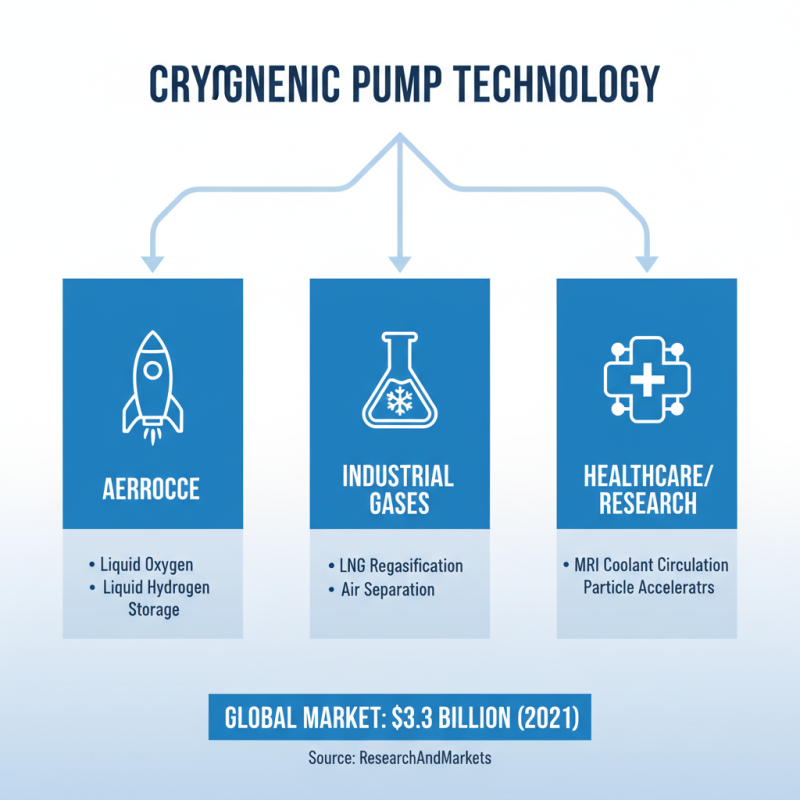
Cryogenic pump technology plays a vital role in several key industries. The aerospace sector utilizes these pumps for liquid oxygen and hydrogen storage. In fact, according to a report by ResearchAndMarkets, the global cryogenic pump market was valued at approximately $3.3 billion in 2021, indicating significant demand across various applications.
The medical industry also benefits from cryogenic technology. Cryogenic pumps facilitate the storage of liquid nitrogen for preserving biological samples. This method ensures sample integrity, which is crucial for research and treatments. The biopharmaceutical market is expected to grow at a CAGR of 8.4% from 2021 to 2028, further heightening the relevance of cryogenic pumps.
**Tip:** Regular maintenance of cryogenic pumps is key to ensure their optimal performance. Monitor operational parameters frequently to avoid failures, which can lead to costly downtimes.
Moreover, the energy sector increasingly relies on cryogenic pumps for natural gas liquefaction. This process is essential for transport and storage efficiency. However, engineers often face challenges regarding pump efficiency and material durability. Striking a balance between performance and safety is crucial.
**Tip:** Consider conducting performance audits periodically. They can reveal hidden inefficiencies and help refine operational processes.
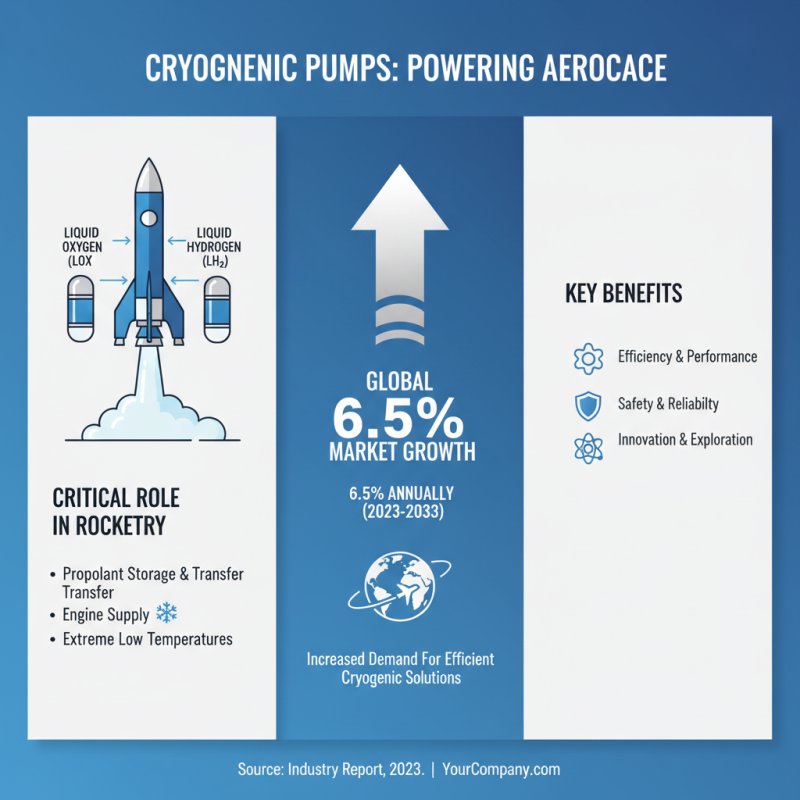
Cryogenic pumps play a vital role in various industries. In the aerospace sector, they are essential for rocket propulsion systems. Liquid oxygen and hydrogen are stored and transferred using these pumps. A report indicates that the aerospace industry will grow by 6.5% annually over the next decade, increasing the demand for efficient cryogenic solutions.
In the medical field, cryogenic pumps are instrumental in transporting liquefied gases. They support practices like cryopreservation. The global cryotherapy market is expected to hit $4.3 billion by 2026. Despite the demand, many healthcare providers struggle with pump maintenance. This leads to potential risks in gas distribution and patient safety.
The energy sector also relies on cryogenic pumps. They are used in natural gas liquefaction. With the rise of renewable energy sources, the need for effective gas storage and transport is greater than ever. Yet, the technology is not without flaws. Some pumps face performance issues under extreme conditions, prompting further research and development.
Cryogenic pumps play a crucial role in various industries. They handle fluids at extremely low temperatures. The benefits are significant, but challenges also exist. According to a recent industry report from Frost & Sullivan, cryogenic applications are projected to grow by 10% annually. This indicates a rising dependence on these pumps.
One of the key benefits is efficiency. Cryogenic pumps can transfer large volumes of liquids. Their design minimizes energy consumption compared to traditional pumps. However, users face challenges like material compatibility. Not all materials withstand extreme temperatures. This can lead to failures or maintenance issues, which some reports estimate to be as much as 25% of operational downtime.
Reliability is another concern. While cryogenic pumps are effective, their complexity can be problematic. Proper training for operators is essential. Any mistake can lead to costly errors or safety hazards. A study indicated that about 15% of accidents occur due to operator error. Companies must address these factors to maximize the potential of cryogenic pumping technology.
Cryogenic pumps are crucial in various industries, driving innovation forward. As technology advances, new applications are emerging. For instance, the demand for energy storage solutions is prompting research into more efficient cryogenic systems. These systems can effectively store energy by liquefying gases. They can help balance energy demand and supply, potentially revolutionizing power grids.
Moreover, the aerospace sector continues to explore cryogenic pumps for rocket propulsion. These pumps can handle extremely low temperatures, making them ideal for transporting liquid oxygen and hydrogen. However, challenges remain. The systems need improvements in efficiency and reliability. Engineers are focusing on materials that withstand harsh conditions.
Another innovative trend is the integration of automation and smart technology. Automated cryogenic pumps promise enhanced precision in various applications. This can lead to better performance in medical technologies as well. Yet, these advancements may require significant investment and training. Industries must weigh the costs against benefits to ensure practicality.
| Application | Industry | Key Characteristics | Future Trends |
|---|---|---|---|
| Liquid Nitrogen Transfer | Cryogenics | Low temperature, Efficient flow control | Increased automation and monitoring |
| Superconducting Magnets | Medical Imaging | Stable cooling, High-power output | Advancements in superconducting materials |
| Space Launch Systems | Aerospace | Cryogenic fuels, High efficiency | Reusable rocket technologies |
| Cryogenic Energy Storage | Energy | High capacity, Low losses | Integration with renewable energy |
| Semiconductor Manufacturing | Electronics | Ultra-pure fluids, Precise temperature control | Smart factories and IoT integration |
| Hydrogen Production | Fuel Technology | Cryogenic distillation, High purity | Emerging hydrogen economy |
| Food Preservation | Food & Beverage | Maintains taste, Long shelf-life | Innovative freezing technologies |
| Cryopreservation | Biotechnology | Cell viability, Long-term storage | Advancing genetic research |
| Fuel Cell Technology | Energy | Hydrogen storage, Efficient energy conversion | Sustainable energy solutions |
| Space Exploration | Aerospace | Cryogenic storage, Long-term missions | Enhanced deep space missions |