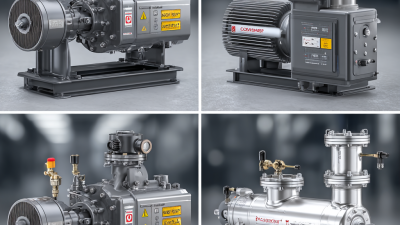
Sealless Pumps for a Safer and Greener World

Global buyers need more than a polished catalogue when choosing a cryogenic pump. They need equipment that performs reliably at extremely low temperatures, with materials, seals, and clearances suited to the fluid and operating conditions. A pump designed for liquid nitrogen may not be the right choice for LNG, hydrogen, or helium service. Details matter.
The comparison begins with the application. Buyers should examine flow rate, head, suction conditions, temperature range, duty cycle, and installation environment. Ask manufacturers for documented performance data, materials information, testing procedures, and service support. A specification sheet is useful, but it cannot answer every question. Real operating experience matters.
A practical caution: I cannot verify a direct quotation from a named cryogenic-pump specialist, so attributing one here would risk inventing evidence. Instead, this guide uses a simple buying principle: “Match the pump to the process, not just the brochure.” Treat it as editorial guidance, not a quotation from an industry expert. That distinction matters.
The manufacturers reviewed here serve different markets and offer different strengths, from engineered systems to standard product ranges. Their capabilities should be checked against each buyer’s requirements, including lead times, regional support, and maintenance needs. Small differences can become costly later. This overview helps global buyers compare options with clearer questions, stronger evidence, and realistic expectations. A perfect choice may not exist; a well-supported one can still make a substantial difference.
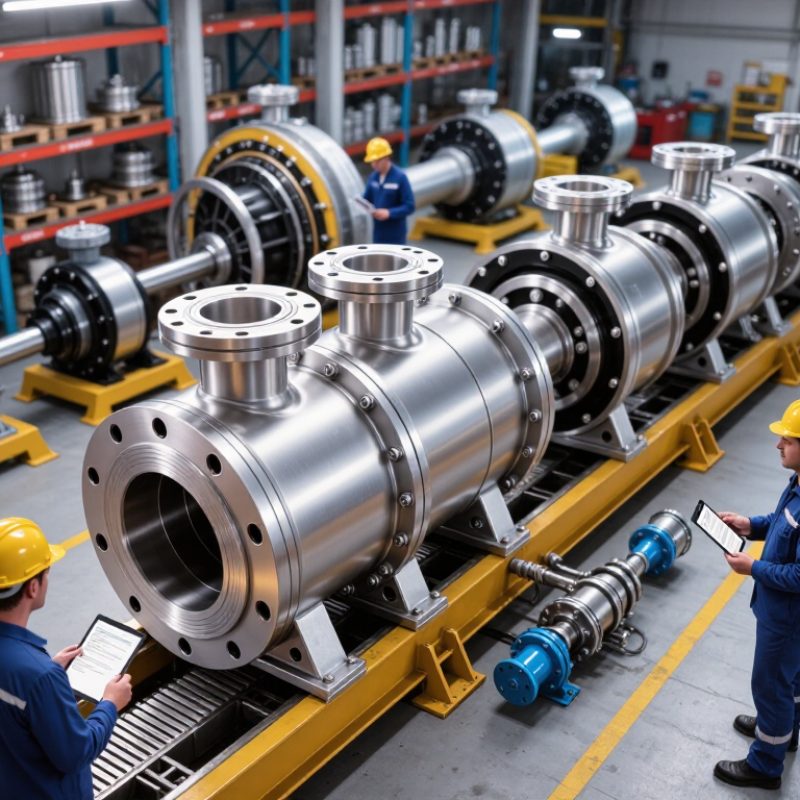
Cryogenic service begins with a simple fact: temperature changes how liquids behave. LNG boils near −162°C, liquid hydrogen near −253°C, and helium near −269°C. At these temperatures, small heat leaks can create vapor, disrupt flow, and reduce pump performance. Cold changes everything. Materials contract, clearances shift, and seals must remain dependable through repeated thermal cycles. Pump selection therefore depends on more than rated capacity. Engineers also assess suction conditions, vapor formation, insulation, and the fluid’s operating range.
A pump handling LNG may not suit hydrogen or helium without careful redesign. Different fluids bring different densities, viscosities, and thermal demands. In centrifugal systems, adequate suction pressure helps limit cavitation, while suitable materials help withstand contraction and thermal stress. Instrument readings during cooldown and steady operation can reveal problems that a specification sheet misses. Small leaks matter. So do startup procedures. It is tempting to treat a lower temperature as just another duty point, but that assumption deserves scrutiny. Buyers should ask how equipment is tested, what operating limits apply, and how maintenance access works in an insulated installation. The practical answer is rarely a single number.
Approximate normal boiling points illustrate the extreme temperatures cryogenic pumps are designed to handle.
At approximately 1 atmosphere, hydrogen boils at −252.9°C and helium-4 at −268.9°C. LNG is typically near −162°C, though its exact boiling temperature varies with composition and pressure.
Cryogenic pump selection depends on more than rated capacity. Centrifugal pumps suit steady, higher-flow service, such as transferring liquefied gas through a loading line. Their impellers add energy continuously, while multiple stages can raise discharge pressure. Flow may fall when system resistance increases. Check the operating curve, not just the maximum-flow figure.
Reciprocating pumps deliver measured volumes with each stroke. They often suit lower-flow duties that need higher pressure, including filling cylinders or feeding a pressurized process. Their output can pulsate, so piping and instruments may need protection from vibration. That matters. A pump’s published capacity may assume ideal suction conditions, which a cold, flashing liquid rarely provides.
NPSH deserves close attention with cryogenic fluids. As liquid warms or pressure drops, it can vaporize at the inlet, reducing performance and potentially damaging the pump. Compare available NPSH with the manufacturer’s required value across the full operating range, including startup and low tank levels. Leave a practical margin. Insulated suction piping, short inlet runs, and adequate submergence can help, but they do not replace calculation. I would also question assumptions based on warm-fluid tests; they can miss real cold-start behavior.
Cryogenic pumps keep fluids moving where ordinary equipment cannot. For LNG transfer, they must handle very low temperatures, changing flow rates, and demanding duty cycles. Buyers should ask manufacturers for performance curves across the actual operating range, not just a single rated point. Small details matter. Seal design, insulation, and vibration limits can shape maintenance needs as much as headline capacity.
Air separation plants rely on steady liquid oxygen, nitrogen, or argon transfer. Pump selection should account for fluid properties, required purity, and the plant’s operating pattern. In hydrogen service, material compatibility and leak-control provisions deserve close review. Helium transfer brings a different challenge: the fluid’s low temperature and tendency to escape through small clearances make careful design and inspection important. One specification rarely fits every service.
Global buyers can compare manufacturers through documented testing, clear operating limits, and access to practical service support. Request details on commissioning, spare parts, and troubleshooting response in the installation region. Check whether test conditions resemble the site conditions. A polished brochure cannot answer every question, and that is worth admitting. Ask for evidence, then review it with the plant’s engineering team before final selection.
| Application | Typical Cryogenic Fluid | Normal Boiling Point at 1 atm | Pump Configurations Used | Key Design and Operating Considerations | Supplier Qualification Checks |
|---|---|---|---|---|---|
| LNG storage, loading, unloading, and regasification | Liquefied natural gas, primarily methane with composition varying by source | Approximately −162 °C for methane; LNG boiling behavior depends on composition | Submerged in-tank centrifugal pumps; external centrifugal pumps; reciprocating pumps for some high-pressure duties | Confirm the process flow, differential pressure, suction conditions, gas-handling requirements, materials, and compatibility with the specified LNG composition. | Review the pump’s duty-point curves, materials and seal arrangement, applicable pressure-vessel and electrical requirements, and documented performance testing. |
| Air separation and industrial gas production | Liquid nitrogen, liquid oxygen, and liquid argon | Nitrogen: approximately −196 °C; oxygen: approximately −183 °C; argon: approximately −186 °C | Centrifugal or reciprocating cryogenic pumps, selected according to flow, pressure, and process configuration | Verify fluid-specific material suitability. Oxygen service requires strict control of cleanliness and ignition risks; nitrogen and argon service also requires attention to cold-temperature materials and oxygen-deficient-atmosphere hazards. | Check oxygen-service cleaning and documentation where applicable, required flow and pressure range, leakage controls, and the supplier’s experience with the intended fluid. |
| Liquid hydrogen storage, transfer, and fueling systems | Liquid hydrogen | Approximately −253 °C | Centrifugal or reciprocating cryogenic pumps, depending on transfer rate and required discharge pressure | Account for hydrogen’s very low temperature, leakage control, thermal contraction, vapor formation, and the system’s hydrogen-specific safety requirements. | Request verified operating limits, hydrogen-compatible materials and sealing details, performance data for the specified duty, and evidence of relevant safety and quality procedures. |
| Liquid helium transfer and cryogenic test facilities | Liquid helium | Approximately −269 °C (about 4.2 K) | Specialized cryogenic transfer pumps; the selected design depends on the required flow, pressure, and helium system layout | Consider the exceptionally low operating temperature, heat leak, vapor management, vacuum insulation, and the consequences of helium loss in the complete transfer system. | Confirm the stated helium service conditions, thermal and insulation design basis, leakage performance, operating data, and maintenance support for the installation. |
| Comparison note: This is an application-based buying guide, not a ranked list of named manufacturers. Boiling points are approximate values at 1 atm; actual process conditions and fluid composition can change operating requirements. Pump selection should be based on the required flow, differential pressure, suction conditions, materials, applicable codes, and verified manufacturer data. | |||||
Global buyers should compare cryogenic pump manufacturers by duty point, wetted materials, and sealing design, not headline capacity alone. GIIGNL’s 2024 Annual Report recorded 401.4 million tonnes of LNG traded in 2023. The IEA’s Gas Market Report, Q1-2024, estimated trade at 404 billion cubic metres, up 2% year on year. These figures point to sustained equipment demand, but they do not establish which pump suits a specific terminal or process.
Product ranges may include submerged, vertical-can, and horizontal pumps for LNG, liquid nitrogen, or liquid oxygen. Check rated flow and head alongside startup frequency and minimum continuous flow. Austenitic stainless steels are common in cold service; aluminum or nickel alloys may suit particular weight or temperature requirements. Verify material compatibility against the actual fluid and thermal cycle. Small details matter. Sealing designs also differ: canned-motor or submerged configurations reduce external shaft leakage paths, while mechanical seals require careful review of purge, cooling, and maintenance access. Ask manufacturers for material certificates, test conditions, and seal plans. A broad temperature rating can still hide limits on cycling or vibration. I would treat glossy range charts as a starting point, not proof of field reliability.
Start with the actual fluid and its coldest expected condition, not just the pump’s nameplate temperature. Liquid nitrogen, oxygen, and LNG impose different material, sealing, and safety demands. Record normal, startup, cooldown, and upset temperatures. A few degrees can change vapor pressure and available suction margin. Small details matter.
Define capacity and head at the same operating point. State required flow, minimum and maximum flow, suction pressure, discharge pressure, and line losses. Ask suppliers for a performance curve covering the duty point, not just a headline rating. Check whether the pump can handle turndown without unstable operation, excess vibration, or overheating. A polished curve is not the whole story; piping and liquid condition matter too. Worth checking.
Compare construction and documentation against applicable codes, site rules, and inspection requirements. Request material certificates, pressure-boundary details, test records, insulation arrangements, and a clear maintenance plan. For overseas projects, confirm local acceptance before purchase; standards and certification routes can differ by destination. Operating data are sometimes less complete than a specification suggests. Ask which assumptions remain, and have them recorded.