Sealless Pumps for a Safer and Greener World

Industrial centrifugal pumps are essential components in many industries. They play a crucial role in transferring fluids efficiently. For businesses looking to source high-quality pumps, understanding the market in China is vital. This country is known for its robust manufacturing capabilities and diverse product offerings.
China offers a wide range of industrial centrifugal pumps, catering to various applications. However, selecting the right pump involves more than just price. It requires understanding performance, reliability, and supplier credibility. Not all manufacturers meet international quality standards. Some products may fall short of expectations, leading to operational challenges.
In this competitive landscape, identifying the top players is key. This knowledge empowers buyers to make informed choices. By evaluating product specifications and supplier histories, companies can avoid potential pitfalls. The right industrial centrifugal pumps will enhance efficiency and reduce downtime in operations.
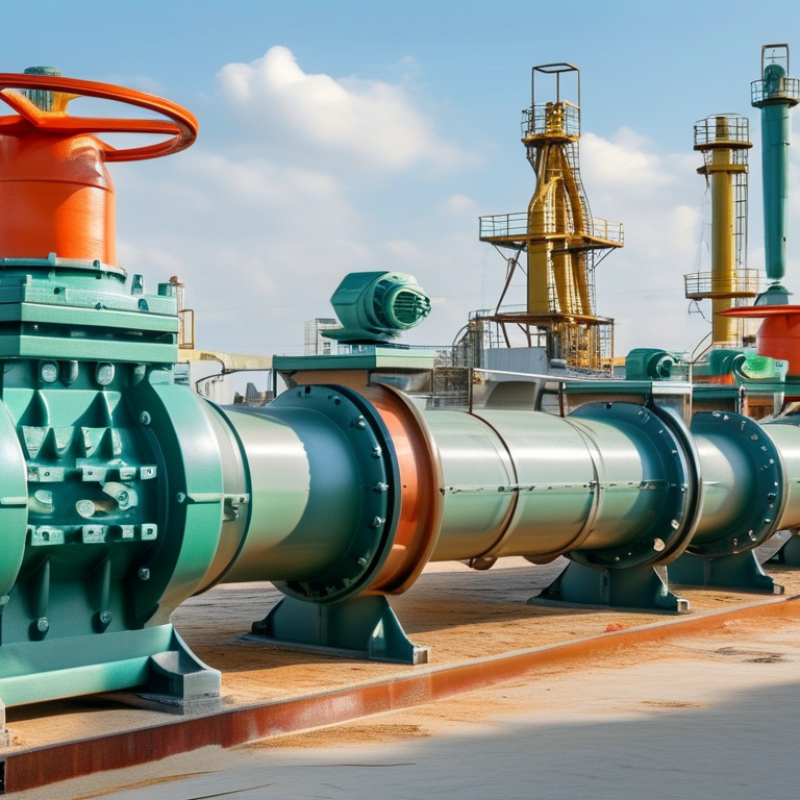
In recent years, the industrial centrifugal pump market in China has shown significant growth. Driven by increasing demand in various sectors, including oil and gas, water treatment, and manufacturing, these pumps are essential for fluid transfer in different applications. The technology has evolved, offering improved efficiency and durability. Manufacturers are focusing on innovation to meet global standards.
When sourcing pumps, consider the importance of performance data. Check efficiency curves and flow rates. Always ensure that your chosen pump aligns with your specific requirements. Not all products are created equal; variations in quality exist among manufacturers. Researching user reviews and reliability reports can help in making informed decisions.
While China's market offers a wide selection, potential buyers should be cautious. Some products may not meet international safety standards. Conducting a thorough supplier assessment is crucial. Look for certifications and quality control measures in place. Engaging directly with manufacturers can provide insights that online catalogs may not reveal. Always prioritize quality over cost to avoid future complications.
China's centrifugal pump industry is vibrant and competitive. Numerous manufacturers contribute to this dynamic market, making it essential for global businesses to identify reliable partners. These companies often demonstrate expertise in design and engineering, enabling them to create pumps suited for various applications.
When evaluating potential suppliers, consider their experience in the industry. Look for manufacturers with a solid track record in producing centrifugal pumps for diverse sectors like oil, water, and chemicals. Quality certifications can also indicate a company's commitment to high standards. Another factor to explore is the availability of customizable options. Many companies are willing to adapt their designs to meet specific project demands.
For effective sourcing, thorough research is crucial. Inspect manufacturing facilities if possible. Engage in discussions about their technology and innovation practices. Understanding their production processes can reveal insights into their reliability. Also, examine after-sales support and warranty policies, as these can impact long-term satisfaction with the pumps purchased.
When sourcing industrial centrifugal pumps, technical specifications are crucial. These metrics reveal a pump's efficiency, capacity, and application suitability. Performance metrics often include flow rate, head, and power requirements. High-efficiency pumps can greatly reduce operating costs. It's vital to understand required parameters to avoid inefficiencies.
Different applications necessitate varying performance levels. Some pumps handle light fluids, while others manage heavy or abrasive materials. The flow rate should match the system's requirements. Too low could lead to inadequate processes, while too high may cause stress on the system. A thorough examination of NPSH and suction conditions is essential to prevent cavitation.
Measurement of energy consumption is key, as well. The right pump is not the most powerful one, but the most fitting for your needs. Energy efficiency, material durability, and maintenance ease should inform your decision. Remember, the cheapest option may not always deliver long-term value. Understanding your specific needs ensures a reliable selection, enhancing overall operational effectiveness.
Centrifugal pumps play a crucial role in various industries, ensuring efficient fluid transport. In sectors like water treatment, chemical processing, and oil exploration, these pumps are indispensable. According to a 2022 report by MarketsandMarkets, the global centrifugal pump market is projected to reach 60 billion USD by 2026, reflecting robust growth in industrial applications.
In the chemical industry, centrifugal pumps handle aggressive fluids and maintain precise flow rates. A 2021 study by Grand View Research highlighted that chemical processing accounts for over 30% of the market share for centrifugal pumps. This growth stems from the increasing demand for chemical products and the need for reliable pumping solutions in complex production environments.
While these pumps are effective, there are challenges to consider. Maintenance is often overlooked, leading to decreased efficiency. A lack of proper monitoring can result in unexpected downtimes, affecting productivity. Industry experts recommend regular inspections and the use of predictive maintenance technologies to mitigate these risks. Balancing efficiency and maintenance remains critical in maximizing the lifespan of centrifugal pumps across sectors.
| Model | Flow Rate (m³/h) | Head (m) | Power (kW) | Efficiency (%) | Material | Application |
|---|---|---|---|---|---|---|
| Centrifugal Pump A | 100 | 50 | 15 | 85 | Cast Iron | Water Supply |
| Centrifugal Pump B | 150 | 60 | 22 | 90 | Stainless Steel | Chemical Processing |
| Centrifugal Pump C | 200 | 70 | 30 | 88 | Bronze | Oil & Gas |
| Centrifugal Pump D | 80 | 40 | 11 | 82 | Plastic | Wastewater Treatment |
| Centrifugal Pump E | 120 | 55 | 20 | 86 | Ductile Iron | HVAC Systems |
| Centrifugal Pump F | 160 | 65 | 25 | 91 | Aluminum | Mining |
| Centrifugal Pump G | 90 | 45 | 12 | 84 | Fiberglass | Pulp & Paper |
| Centrifugal Pump H | 110 | 50 | 18 | 87 | Rubber | Pharmaceuticals |
| Centrifugal Pump I | 170 | 75 | 28 | 89 | Carbon Steel | Construction |
| Centrifugal Pump J | 130 | 58 | 23 | 83 | Composite | Agriculture |
When evaluating Chinese centrifugal pump suppliers, a clear understanding of sourcing strategies is vital. Begin by analyzing the supplier's production capabilities. Look for companies with advanced technology and skilled labor. This often indicates better quality and efficiency in manufacturing processes. Additionally, understanding the supplier's market presence can provide insights into their stability and reliability.
Quality certifications play a crucial role in ensuring product compliance with global standards. Verify if suppliers have certifications like ISO 9001 or other relevant quality assurance measures. However, not all manufacturers may have these certifications, raising concerns about their reliability. It is essential to consider this aspect while sourcing. Communication is another element to reflect on. Some suppliers might have language barriers, complicating negotiations and orders.
Comparative assessments of pricing, lead times, and after-sales services can also guide decision-making. Suppliers may differ significantly in these areas. This inconsistency may lead to variances in project timelines and overall satisfaction. Despite the offers, be prepared for variations in quality and delivery times. Emphasizing thorough research can pave the way for better sourcing outcomes.