


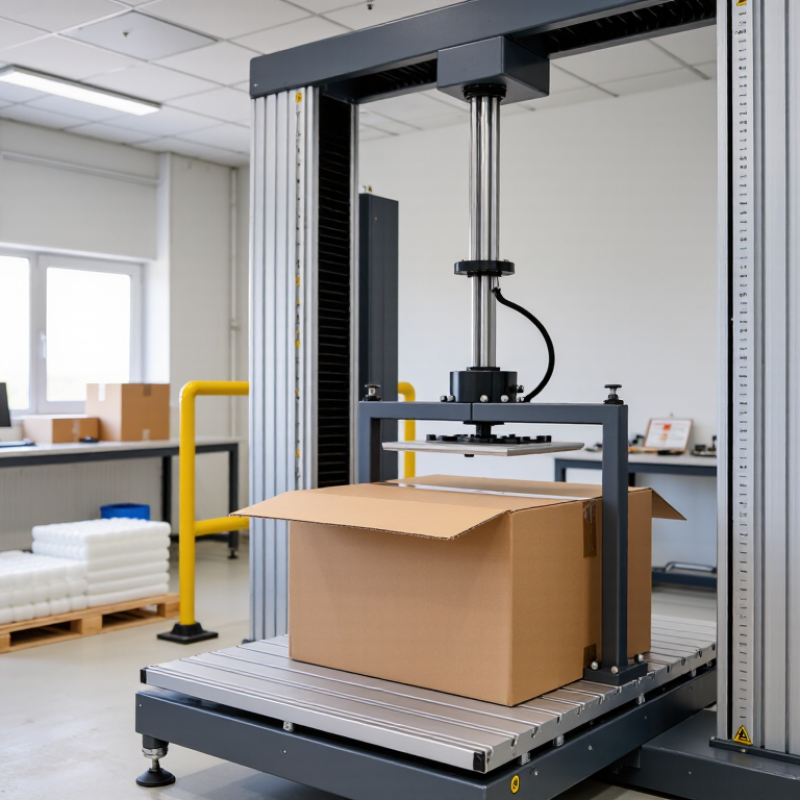
A meaningful comparison of the top ten package drop tester manufacturers should examine technology, not popularity alone. Leading suppliers commonly offer pneumatic or electromechanical lifting systems. Pneumatic models suit repeated testing and heavier cartons. Electromechanical designs often provide finer height control. Some platforms support flat, edge, and corner drops through adjustable fixtures. Others add rotary mechanisms for more demanding impact sequences.
Real laboratory experience shows that application details matter. E-commerce packaging may need frequent tests on mixed carton sizes. Electronics manufacturers often require controlled drops, sensitive sensors, and high-speed cameras. Food and consumer-goods laboratories may prioritize easy cleaning and quick changeovers. Useful systems record drop height, impact condition, test cycles, and failure images. Load cells can add evidence, although they increase calibration demands. Small details matter.
Support separates capable suppliers from convenient sellers. Look for installation guidance, operator training, calibration certificates, spare parts, and responsive technical service. Remote diagnostics can reduce downtime, but they cannot replace skilled local assistance. Ask whether software updates preserve older test records. Check the service network before purchase. One overlooked issue is floor vibration; it can distort repeatability. No tester fits every laboratory perfectly. Even experienced teams may underestimate fixture setup time. That weakness deserves review before comparing price or specifications.