Sealless Pumps for a Safer and Greener World

Buying a gas pump is a technical investment, not a simple equipment purchase. IEA’s Oil 2024 report expects global oil demand to approach a plateau near 2030, while NACS industry data shows fuel remains central to convenience-store revenue. These trends make careful equipment selection increasingly important. Demand may change, but uptime still matters today.
Patrick De Haan, head of petroleum analysis at GasBuddy, has said, “The cheapest price is not always the best value.” This principle applies to equipment purchasing. A low-cost gas pump can become expensive through frequent service calls, slow dispensing, payment failures, or difficult parts sourcing. Buyers should compare flow rate, metering accuracy, payment security, vapor-recovery compatibility, maintenance access, warranty terms, and regional certification requirements. Check the details.
Reports from MarketsandMarkets and Grand View Research also identify modernization, automation, and connected payment systems as major industry trends. However, market forecasts are not purchasing instructions. Their assumptions can miss local fuel grades, climate conditions, electrical standards, and technician availability. A pump designed for a warm coastal station may not perform similarly in a freezing inland location. Real operating conditions matter. This guide presents ten practical gas pump buying tips for global buyers, combining published market evidence with field-focused questions. Some recommendations may appear obvious. They are still often overlooked during hurried procurement.
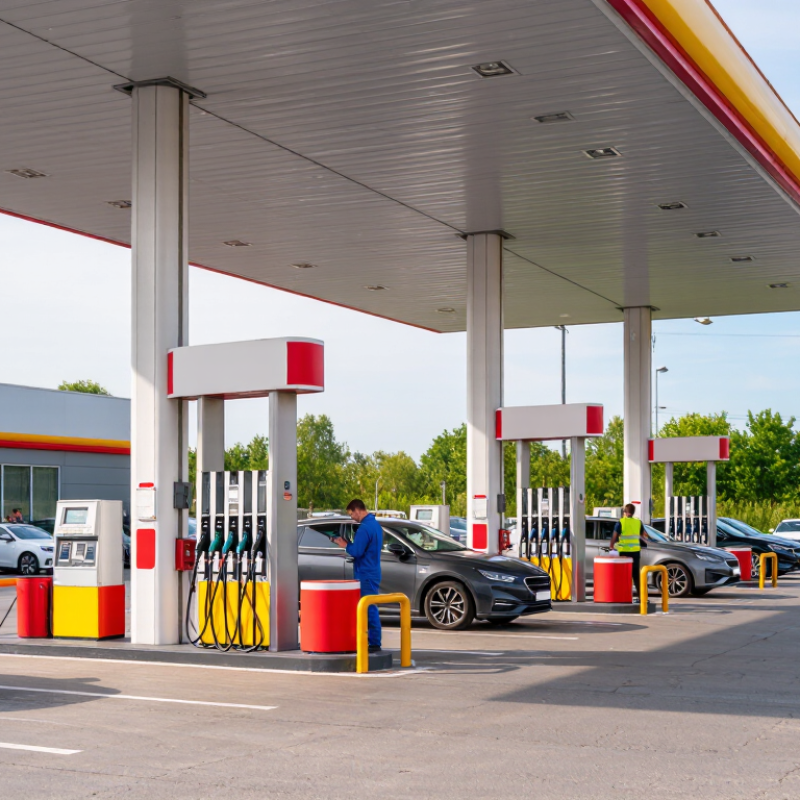
Before buying a gas pump, define the fuel it will dispense and the people who will use it. Petrol, diesel, and alternative fuels require different materials, seals, meters, and safety controls. A busy highway station needs faster flow and larger storage capacity. A small rural site may value simple maintenance more than maximum speed.
Study the target market in practical detail. Check vehicle types, average daily traffic, payment habits, climate, and local power supply. A dusty region may require stronger filtration and protected electronics. Cold weather can affect hoses, displays, and fuel movement. Voltage instability also deserves attention. It can interrupt transactions and damage sensitive components.
Ask whether customers prefer preset volumes, price-based dispensing, or attended service. Confirm the required measurement accuracy and local inspection process before placing an order. An experienced installer should review grounding, emergency shutoff access, drainage, and traffic circulation. These details influence safety and operating confidence.
My early estimates were too optimistic. I once focused on purchase price and underestimated training, spare parts, and service response. That mistake changed my evaluation method. Now I compare total operating cost over several years, not only the equipment invoice. A reliable supplier should provide clear technical documents, training materials, warranty terms, and realistic maintenance guidance. Do not accept vague promises. The best choice may feel less impressive, but it should fit the market precisely.
10 Gas Pump Buying Tips for Global Buyers
Check pump compatibility with local fuel standards before comparing price, flow rate, or appearance. Fuel specifications can vary widely between regions. Confirm permitted ethanol content, oxygenate limits, sulfur levels, vapor pressure, and fuel temperature ranges. A pump designed for one blend may suffer seal swelling, meter drift, or hose damage elsewhere. Ask the supplier for written compatibility data, not verbal assurances. Request test reports for the exact fuel grades your station will sell.
Tips: Review local metrology rules and electrical safety requirements. Check whether the dispenser supports the required measurement units, payment systems, and emergency shutoff design. Inspect wetted materials, including seals, valves, filters, and nozzles. Stainless steel alone does not guarantee compatibility. Seal compounds matter. Require calibration procedures and spare-part availability in your market. A local technician should confirm installation conditions, grounding, ventilation, and temperature exposure before shipment.
Do not rely only on a translated product brochure. Technical wording can hide important limits. Compare the stated fuel range with official local specifications. If documentation is incomplete, pause the purchase. That delay is cheaper than replacing contaminated components. Pilot testing is wise, though not always practical for smaller buyers. A modest oversight can become a long service problem. Even experienced procurement teams miss regional details sometimes. Recheck every assumption.
Global buyers should compare gas pumps by verified performance, not display size or advertising claims. Start with rated flow in litres per minute, then test actual delivery at low, medium, and high demand. A pump delivering quickly may create more queue capacity, but excessive flow can increase pressure drops and shutoff errors. Hose length, nozzle design, vapor recovery equipment, fuel temperature, and site elevation can change results.
Accuracy deserves stricter attention. OIML R117-1:2019 identifies measuring-system accuracy classes, including 0.3, 0.5, 1.0, and 1.5. Choose the class required by local authorities and operating risk. NIST Handbook 44 also emphasizes controlled tests, tolerances, and repeatable inspection procedures. Ask suppliers for calibration records, test certificates, and uncertainty information. A clear display is not proof of accurate measurement. I learned that the hard way during rushed equipment comparisons.
Operating features can reduce daily friction. Compare preset-volume controls, automatic nozzle shutoff, emergency-stop access, transaction logging, remote diagnostics, multilingual displays, and compatibility with local payment systems. Check enclosure protection, temperature limits, electrical requirements, and spare-part availability. A 2024 site survey should include several complete dispensing cycles, not one demonstration. Record start pressure, delivered volume, stopping behavior, and recovery time. Small differences become expensive across thousands of transactions. Forecast demand carefully; a higher-rated pump can be wasteful when storage, piping, or power capacity remains limited.
10 Gas Pump Buying Tips for Global Buyers?
Evaluate Safety Certifications, Durability, and Maintenance
When comparing gas pumps for international projects, verify safety certification before price or appearance. Ask for the complete certificate, test scope, issue date, and applicable fuel specifications. A familiar logo is not proof. Confirm that approval covers the exact dispenser model, electrical enclosure, hose assembly, and intended hazardous location. Requirements differ across countries, and an old certificate may not satisfy the importing authority. Use an independent inspection agency when documents look incomplete or translations seem unclear.
Durability depends on more than a metal cabinet. Inspect the cabinet thickness, door hinges, display seal, nozzle holder, and emergency shutoff access. Ask for test records involving vibration, temperature changes, moisture, and repeated dispensing cycles. In coastal areas, corrosion-resistant materials matter around fasteners and lower panels. A strong unit should remain stable after years of daily use, not only pass a showroom inspection. I would not rely on a supplier’s durability claim without sample records or reference installations.
Maintenance details often decide the real operating cost. Check whether filters, meters, valves, hoses, and display parts can be replaced locally. Request a service schedule with inspection intervals and recommended torque settings. Keep spare seals and approved hoses in clean, labeled storage. Technicians also need clear wiring diagrams and fault codes. This is where buyers sometimes underestimate risk. A cheaper pump can become expensive when one small component requires long-distance shipping. Document every inspection, even the imperfect ones, because early warning signs are easy to dismiss.
Buying a gas pump for international use requires more than comparing the quoted price. Review each supplier’s manufacturing history, technical documentation, and export experience. Ask for factory inspection records and recent customer references. Confirm the pump supports your fuel type, flow rate, voltage, and operating environment. Small mismatches can create expensive delays.
Calculate the total cost before signing. Include the pump, control system, spare parts, packaging, freight, insurance, duties, installation, and technician travel. Request a line-by-line quotation. Delivery terms need careful review. Confirm production time, port handling, shipping route, and responsibility for damaged equipment. A wooden crate may look secure, but weak internal bracing can still damage meters during transit. Plan extra time for customs clearance and site preparation.
After-sales support often separates a reliable supplier from a cheap one. Ask how quickly engineers respond and whether remote troubleshooting is available. Check the warranty period, excluded parts, training options, and spare-parts availability. Get these promises in writing. One practical lesson is uncomfortable: I once focused heavily on price and underestimated local service costs. The purchase appeared efficient, but downtime became more expensive than expected. Allow room for mistakes, especially when local technicians have not handled the equipment before. Verify required safety certifications and installation procedures with qualified professionals before operation.
This 100-point procurement framework helps global buyers compare gas pump suppliers across supplier capability, total landed cost, delivery performance, and after-sales support. Buyers should also verify applicable safety, metering, electrical, and environmental requirements in the destination market before placing an order.