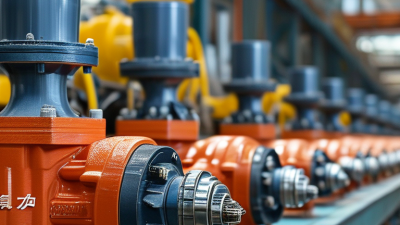
Sealless Pumps for a Safer and Greener World

Selecting the right high pressure pump manufacturer can shape production reliability, energy use, and maintenance costs. This guide examines ten respected companies serving industrial, commercial, and specialized applications worldwide. Their equipment may support water treatment, oil and gas, chemical processing, cleaning systems, and demanding hydraulic operations.
The review considers pressure range, flow stability, materials, efficiency, customization, service coverage, and documented industry experience. It also looks at practical details, such as stainless-steel pump heads, vibration control, seal design, and spare-part availability. A pump running continuously at a remote plant needs more than impressive laboratory figures. It needs dependable support when a seal fails during a night shift.
Manufacturer reputation matters. So does technical evidence. Product certifications, published performance curves, testing procedures, and customer references can reveal more than broad marketing claims. Regional service teams may also reduce downtime, especially when operators need installation guidance or urgent replacement components.
No ranking can fit every facility. A manufacturer leading in pressure cleaning may not suit chemical dosing or abrasive slurry service. Market positions also change as technologies, ownership, and local support networks develop. That limitation deserves attention. Readers should verify current specifications, operating conditions, and compliance requirements before making a purchase decision. The following manufacturers were selected for their visibility, engineering capabilities, product breadth, and established presence across demanding markets. Their strengths differ, and those differences may matter more than a simple position on a list.
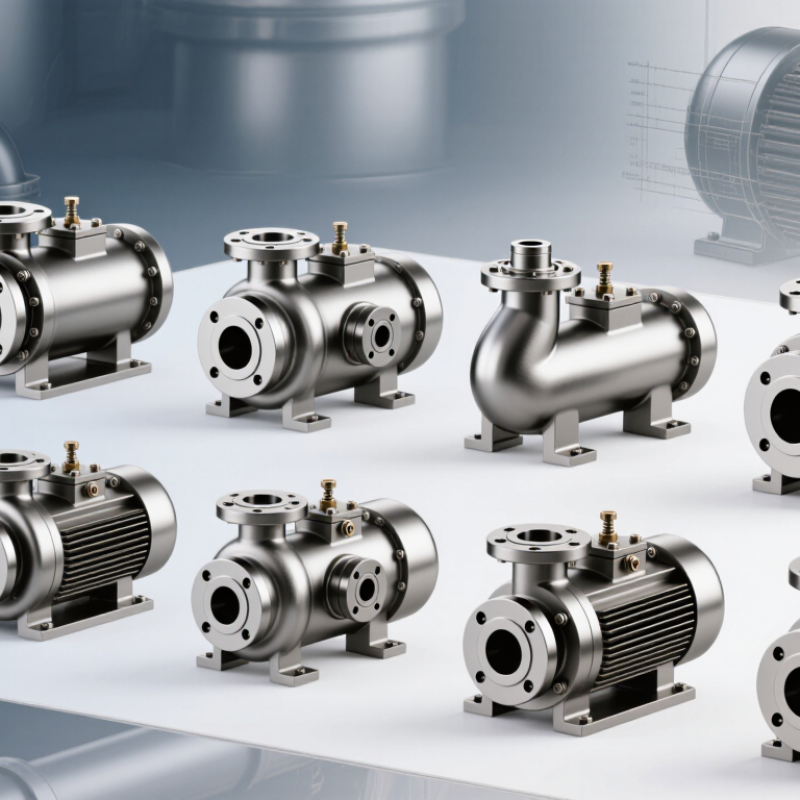
A credible high pressure pump manufacturer is defined by more than a catalog rating. Pressure must remain stable under real flow, temperature, and fluid conditions. Experienced manufacturers publish performance curves, efficiency data, material specifications, and test tolerances. They also explain where the pump may fail. That honesty matters.
The U.S. Department of Energy reports that optimized pumping systems can reduce energy use by 20% to 50% in suitable applications. Therefore, a serious manufacturer studies the complete system, not only the pump casing. It checks pipe friction, motor loading, seal life, control methods, and maintenance access. Hydraulic Institute guidance also emphasizes lifecycle performance and correct pump selection. A pressure number alone is weak evidence.
Manufacturing quality needs visible proof. Look for traceable materials, calibrated test equipment, documented hydrostatic testing, and repeatable factory acceptance procedures. ISO 9001 certification supports process control, but it does not guarantee excellent pump performance. That distinction is often missed. API and ISO requirements may also apply, depending on the industry and duty.
Field experience adds another layer. Ask for operating references with similar pressure, fluid, duty cycle, and installation conditions. A manufacturer should provide commissioning support, spare-parts planning, and failure analysis. I have found that many comparisons look too neat. Delivery time, service response, and repair skills can matter more than a small efficiency difference. The best evaluation remains technical, documented, and slightly skeptical.
Top 10 High Pressure Pump Manufacturers Worldwide
Criteria for Ranking Global High Pressure Pump Manufacturers
Ranking high pressure pump manufacturers requires more than comparing advertised pressure figures. The evaluation should begin with verified performance across pressure, flow rate, temperature, and duty cycle. Independent test records matter. So do factory quality controls, material traceability, and compliance with recognized safety standards. A pump handling abrasive water needs different evidence than one serving a clean industrial process.
Field experience also carries weight. Reliable manufacturers provide installation guidance, maintenance intervals, spare parts, and responsive technical support. We should examine service coverage in each major market, not simply count distributor locations. Customer references can reveal vibration problems, seal wear, and actual energy use after six months. Lifecycle cost deserves careful scoring. Purchase price alone can mislead.
A practical ranking should assess efficiency at normal operating points, not only at peak output. It should review warranty terms, repair procedures, delivery consistency, and documentation quality. Transparent companies explain test conditions and publish limitations. That builds trust.
No scoring model is perfect.
A spreadsheet may hide poor field support. Expert reviewers should combine laboratory data with site observations and interviews. They should also revisit results when newer evidence appears. This approach rewards technical competence, honest communication, and dependable performance under demanding conditions. Some manufacturers may score lower because their data is incomplete, even when their equipment performs well. That uncertainty should remain visible.
The worldwide high pressure pump sector serves water treatment, mining, power generation, oil processing, and industrial cleaning. Grand View Research valued the global industrial pumps market at approximately USD 67 billion in 2023. Its report projects about 4.8% annual growth through 2030. Definitions matter. Some studies include booster pumps, while others focus on pressure-specific equipment. Therefore, any top-ten ranking depends partly on its selection criteria.
Leading manufacturers typically provide stable pressure, durable materials, and documented factory testing. Buyers should compare performance curves, seal systems, service intervals, and regional maintenance support. A 250-bar water pump requires different metallurgy from equipment handling abrasive slurry. The U.S. Department of Energy reports that pumping systems may consume 25% to 50% of an industrial facility’s electricity. Small efficiency losses become costly during continuous operation. Variable-speed drives can reduce energy use, but they are not ideal for every duty.
Field evidence matters. ISO 9001 systems, Hydraulic Institute guidance, and verified customer references strengthen credibility. However, public rankings remain imperfect. Manufacturers rarely publish comparable failure rates, warranty returns, or lifecycle energy data. My practical assessment would score reliability, efficiency, maintenance access, technical support, and proven operating history. Sales volume alone is insufficient. Real sites often reveal weaknesses that polished brochures conceal.
Top 10 High Pressure Pump Manufacturers Worldwide
High pressure pump leaders compete through smarter technologies and deeper industry experience. Their systems use plunger, diaphragm, multistage centrifugal, and hydraulic intensifier designs. Each technology solves a different pressure, flow, and maintenance challenge. Digital sensors now track vibration, temperature, leakage, and energy use. This data helps operators detect seal wear before an unexpected shutdown. Water treatment facilities need steady dosing and reliable corrosion resistance. Manufacturing plants often require precise pressure for testing, cleaning, and forming. Food and pharmaceutical sites demand hygienic materials and easy sanitation. Mining operations prioritize abrasion resistance under harsh conditions.
Real-world performance depends on more than maximum pressure. Engineers examine fluid viscosity, temperature, duty cycles, and installation space. They may add pulsation dampeners, variable-speed drives, or reinforced seals. Stainless steel can protect against some chemicals, but it is not universally suitable. That detail is easy to overlook. A perfect pump choice rarely exists. Experienced suppliers validate performance through testing, service records, and application data. Yet some specifications remain uncertain until the pump meets the actual process.
Tips: Match the pump to the fluid first. Check pressure at the nozzle, not only at the outlet. Ask for efficiency curves and spare-parts availability. Review maintenance access before installation. Small design compromises can become expensive after months of continuous operation.
Leading manufacturers typically specialize in technologies such as plunger, piston, diaphragm, and centrifugal pumps. The chart compares representative upper-end discharge pressures by pump technology; these technologies serve industries including oil and gas, water treatment, mining, chemical processing, power generation, food processing, and industrial cleaning.
Choosing the right high pressure pump manufacturer requires more than comparing pressure ratings. Start with your actual operating conditions: fluid type, flow rate, working pressure, temperature, duty cycle, and installation environment. A pump designed for clean water may fail quickly with abrasive particles or corrosive chemicals. Ask the manufacturer for performance curves at your specific conditions, not general catalogue figures. Small details matter.
Review the manufacturer’s engineering experience, quality controls, material choices, and testing process. Reliable suppliers can explain how they verify seals, valves, pressure stability, and vibration levels before shipment. Request traceable test records and clear maintenance instructions. Check whether replacement parts are available in your region. A low purchase price can become expensive when downtime lasts several days. I have seen impressive specifications hide weak service support. That mistake is easy to repeat.
Tips: Compare at least three qualified manufacturers. Confirm the continuous operating pressure, not only the maximum pressure. Ask about noise, energy use, spare-part lead times, and technician training. If possible, inspect a working installation or request a controlled demonstration. Leave safety margins in your design. Do not select a pump by pressure alone. Even experienced teams sometimes overlook fluid cleanliness or seasonal temperature changes. Recheck those assumptions before signing the purchase agreement.